In the process of aluminum smelting production, the aluminum water ladle is subjected to high-temperature aluminum liquid erosion for a long time, with strong thermal radiation and frequent temperature fluctuations. Therefore, using traditional insulation solutions is prone to problems such as board cracking, heat leakage in splicing gaps, insulation layer detachment, and rapid deterioration of insulation performance. This often leads to high temperatures in the outer shell of the ladle, resulting in not only large heat loss and high energy consumption, but also safety hazards such as equipment high-temperature damage and on-site operation burns. It is a major pain point in the equipment operation and maintenance of aluminum processing enterprises.
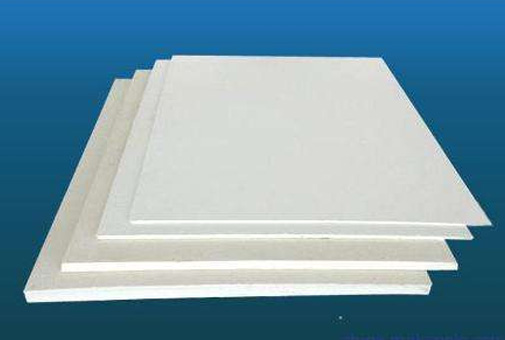
Rosewool Insulation Refractory Co.,Ltd. has launched a complete solution of "nano insulation board+insulation sealing insulation coating composite insulation lining" for the harsh high-temperature working conditions of aluminum water table bags. The solution uses rigid boards as the main insulation material, flexible sealing coatings to fill and seal gaps, overall bonding, auxiliary insulation, and constructs a seamless integrated insulation system to solve the industry's common problem of joint heat leakage from the root, achieving significant cooling of the table bag shell and safe and long-term operation of the equipment.
Explanation of the Construction Effect of Nano Insulation Board + Insulation Coating
The use of a composite system of nano insulation board rigid insulation and insulation coating flexible sealing not only leverages the advantages of nano board ultra-low thermal conductivity, high temperature resistance, and core insulation, but also completely solves the problem of heat leakage in the joints of the board through coating. The effective insulation thickness of 15mm can stably achieve the design goal of reducing the shell temperature by 80 ℃ at 280 ℃, effectively reducing the heat dissipation loss of the ladle, optimizing the on-site operating environment, and extending the service life of the equipment, fully adapting to the long-term stable operation needs of aluminum water ladle under high temperature conditions.
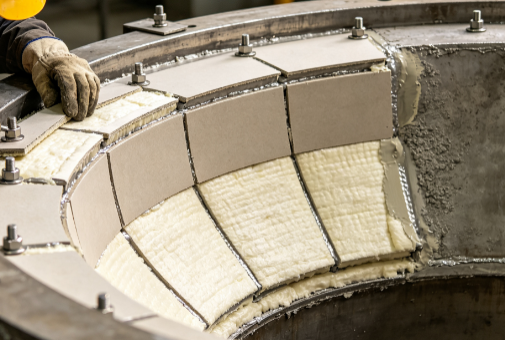
Aluminum Water Table Package Insulation Nano Insulation Board + High Temperature Resistant Sealing Coating Construction Steps
Step 1: Fine Processing at the Grassroots Level (Key Foundational Process)
1. Thoroughly clean the surface of the steel shell lining of the table bag, remove oil stains, floating rust, dust, and residual insulation debris, and use polishing to treat protrusions and burrs to ensure that the base layer is flat, dry, and clean.
2. Check the gaps and holes in the base layer. For minor defects, fill them directly with high-temperature resistant coating. For larger gaps, fill and level them with high-temperature resistant fiber cotton to ensure that the overall base layer is free of bumps and hollows.
Step 2: Pre Layout and Cutting of Sheet Metal
1. Accurately layout according to the size of the inner wall of the packaging, prioritize the use of whole board laying, reduce cutting volume, and minimize the risk of gap heat leakage.
2. Special cutting tools are used to accurately cut the irregular parts, corners, and opening positions, with a smooth and burr free cut and no broken edges. After cutting, the dust on the cut is cleaned for future use.
3. The layout follows the principle of staggered tiling, with staggered gaps between the upper and lower layers, as well as between the left and right boards, to prevent through seams and straight seams and reduce heat loss channels from the root.
Step 3: Bottom Coat and Bonding of Insulation Coating
1. Apply the first layer of insulation and sealing coating evenly on the base layer of the steel shell in Taiwan, with a uniform thickness and no omissions or accumulations, to enhance the adhesion between the plate and the steel shell.
2. At the same time, fully coat the back of the nano insulation board with insulation coating, evenly covering the surface of the board, and apply thickened coating on the edges to ensure the bonding and sealing effect.
Step 4: Laying and Fixing of Nano Insulation Board
1. Adopt a sequence of laying from bottom to top, with the flat surface first and the corners at the back. The board should be tightly adhered to the base layer, and compacted vigorously to eliminate internal air and prevent hollowing and delamination.
2. The splicing gap of the board should be strictly controlled within the minimum range, with a gap spacing of ≤ 2mm, and wide gaps are strictly prohibited.
3. After the paving is completed, use 310S stainless steel anchors to fix it. The distance between vertical wall anchors should be ≤ 300mm, the distance between top anchors should be ≤ 200mm, the anchoring depth should be ≥ 15mm, and the fixing should be firm without looseness.
Step 5: Fully Sealed Gap Treatment (Leak Proof Core Process)
1. All panel joints, cutting joints, corner gaps, and anchor holes shall be filled and sealed with insulation coating. High temperature resistant fiber cotton shall be embedded in the wider gaps, and then the coating shall be applied and compacted to ensure no breathable or heat permeable gaps.
2. The coating adopts layered filling construction, and it is not advisable to apply thick coating at a time. The next layer should be applied after the previous layer has dried; It is prohibited to make false seals with only surface finishing and internal cavities. The coating at the corners of arcs and corners should be appropriately thickened to ensure that the sealing layer is continuous without breaks.
3.310S stainless steel anchor gaskets and screw positions must be completely coated with paint, and metal components must not be exposed to eliminate local hot spot hazards caused by metal thermal bridges.
4. During the construction process, synchronous self inspection can be carried out by using thin steel sheets to test the gaps, confirm the internal filling, focus on checking the overlapping parts of the wrong joints, and eliminate concealed through heat channels; Timely repair the damage and gaps caused by construction collisions.
5. After sealing is completed, natural curing should be carried out to avoid direct exposure to water or strong winds. It is not allowed to use the coating in a high-temperature oven before it is completely dry to prevent the evaporation, foaming, and bulging of the coating moisture, which may cause sealing failure.
6. As a key concealed project, this process shall retain image records of key positions such as anchoring points, wide joints, and corners, and include them in the acceptance data.
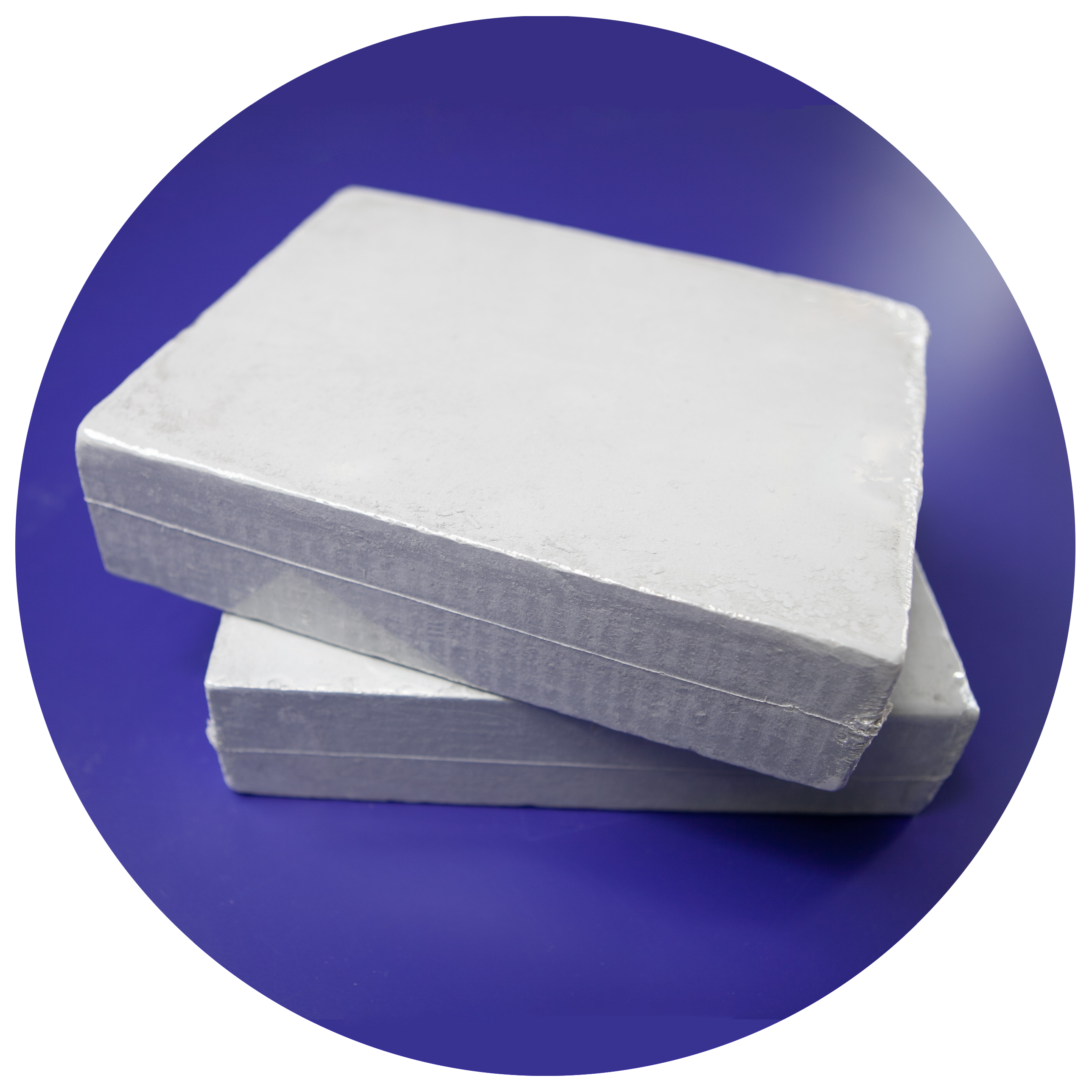
Key Points for Quality Control of Nano Insulation Board + Insulation Coating Construction (Ensuring a Standard Cooling of 80 ℃)
No seam control: All splicing seams must be fully filled and sealed with paint, without visible gaps or holes.
Dense bonding control: The board has no hollowing, looseness, or curled edges, and the overall fit is tight. The bonding strength meets the standard, and it does not fall off or crack at high temperatures.
Thickness standard control: By laying the board and leveling and sealing with coating, the overall effective insulation thickness is ensured to reach 15mm, meeting the cooling performance requirements of 80 ℃.
Material performance control: Strictly use nano insulation boards with a specified thermal conductivity of 0.038 at 800 ℃, and prohibit the replacement of low-grade materials. The coating should be evenly applied without any omissions.
Acceptance Criteria and Temperature Measurement for the Construction of Nano Insulation Board and Insulation Coating
(1) Appearance Acceptance
The surface of the insulation lining is flat, without damage, hollowing, or cracking, and all gaps are tightly sealed without any heat leakage hazards. The anchor fasteners are fixed neatly and firmly, and the overall shape is beautiful and neat.
(2) Performance Acceptance (Core Compliance Indicators)
After the aluminum water is stored normally and runs stably for 2 hours, the infrared thermometer is used to detect the temperature of the outer shell at multiple points: the original temperature is 280 ℃, the temperature of the outer shell drops by ≥ 80 ℃ after construction, and the final temperature is ≤ 200 ℃. The multi-point temperature measurement data is uniform, and there are no local high temperature hotspots, which is considered qualified.
(3) Acceptance of Concealed Works
Concealed processes such as board layout, gap sealing, anchor fixation, and coating thickness shall be inspected and recorded item by item after construction is completed, and construction image data shall be retained to ensure compliance and controllable quality of the processes.
As a leading manufacturer of high-temperature insulation and refractory materials for over 40 years,
Rosewool Insulation Refractory Co.,Ltd. can provide one-stop services for aluminum smelting and processing enterprises, including "material supply+scheme design+technical construction guidance". Tailored composite insulation solutions are provided for different equipment conditions such as aluminum water table bags, aluminum water transfer bags, melting furnaces, and insulation furnaces, helping enterprises reduce heat dissipation losses, improve workshop high-temperature working environments, extend equipment service life, and achieve dual benefits of safety production and energy conservation and cost reduction;