What is the functional application of high-temperature resistant calcium silicate board above 1000 ℃ in cement plants?
Release Time: 2025-12-09
Share:
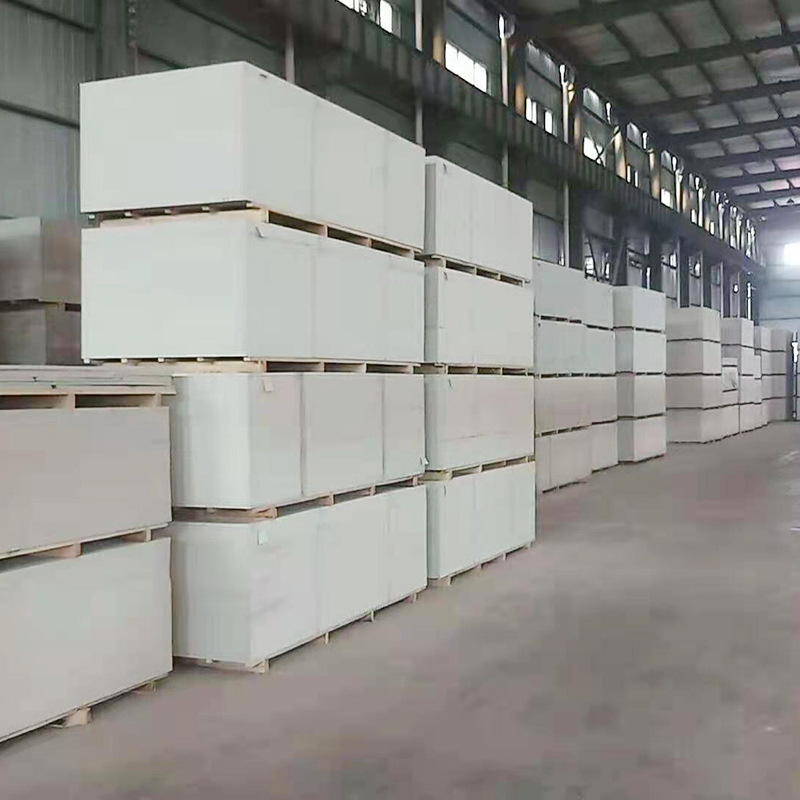
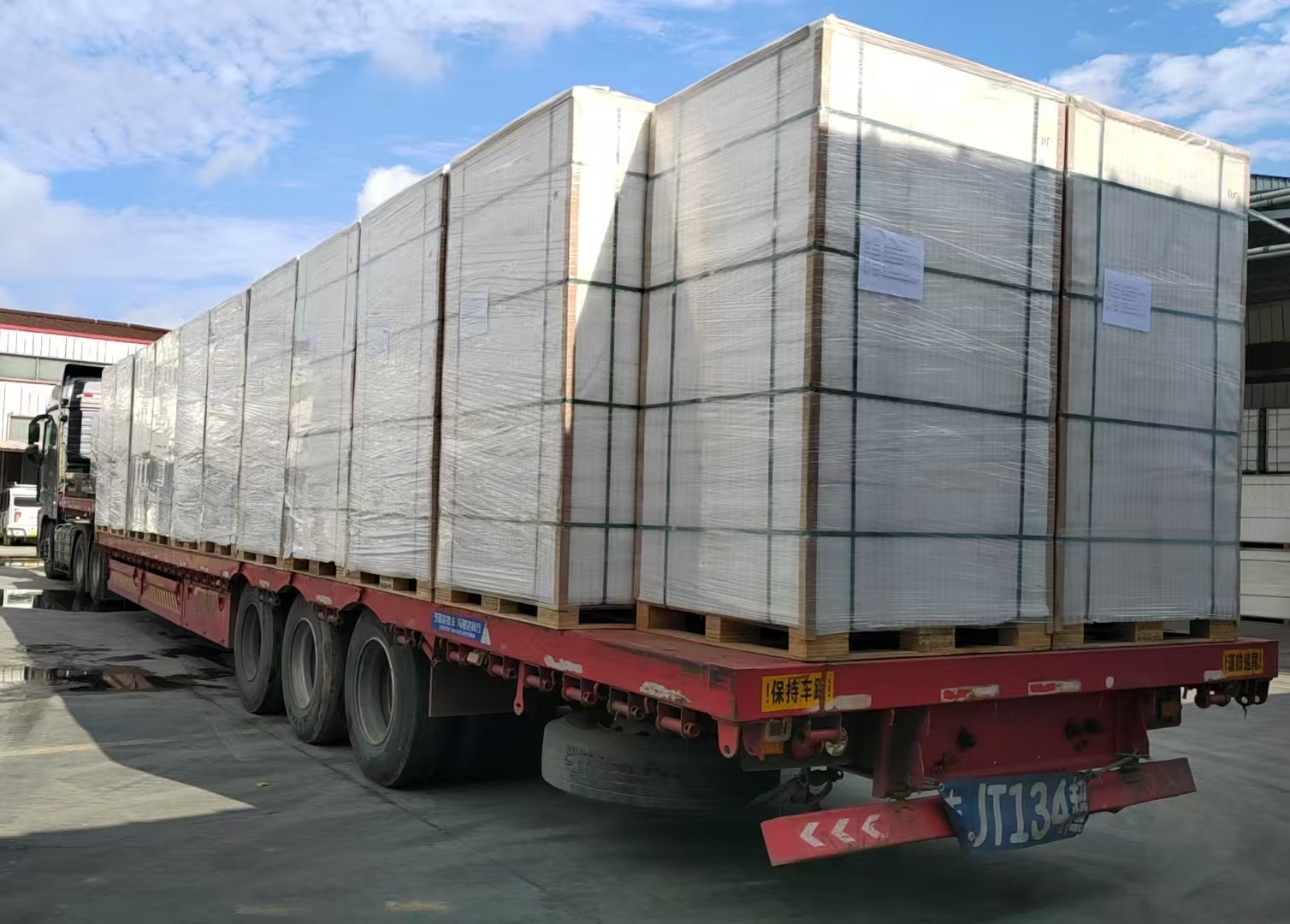
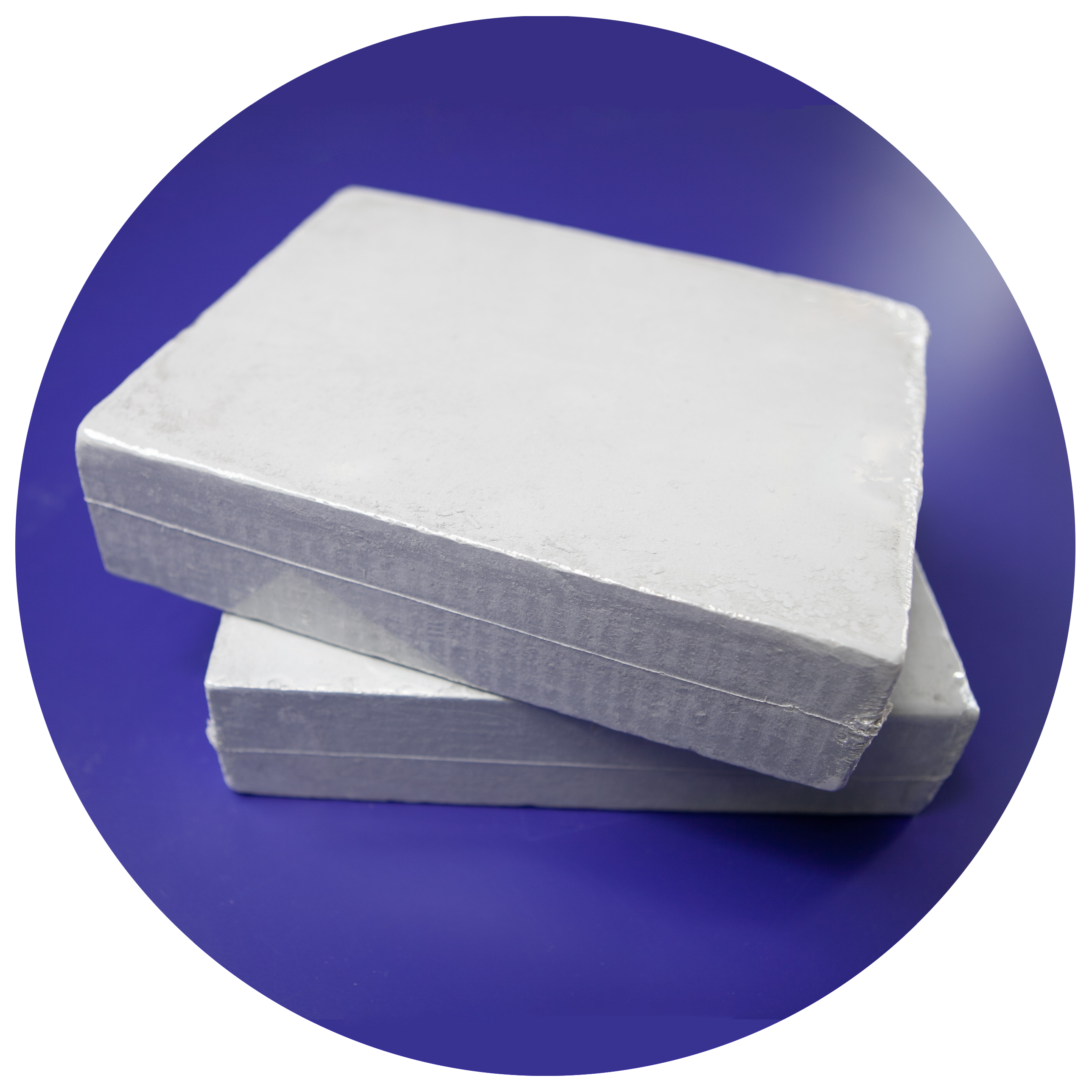
What is the functional application of high-temperature resistant calcium silicate board above 1000 ℃ in cement plants? Calcium silicate board that can withstand high temperatures above 1000 ℃, with its advantages of high temperature resistance, strong insulation, and high mechanical strength, has important applications in multiple core high-temperature equipment and key parts such as rotary kilns and preheaters in cement plants. At the same time, it can also play key functions such as energy conservation, consumption reduction, and ensuring equipment stability; 1. Rotary kiln: The rotary kiln is the core equipment for cement production, with an internal calcination temperature of over 1450 ℃. This calcium silicate board is often used as a permanent lining under the kiln skin. It can withstand high temperature radiation around the kiln body for a long time, preventing a large amount of internal heat leakage to ensure a stable temperature environment for cement clinker calcination and reducing fuel consumption; It can also protect the metal shell of the rotary kiln, prevent it from deforming and aging due to long-term high-temperature baking, and extend the overall service life of the kiln body. And its low shrinkage rate can prevent lining cracking and prevent high-temperature clinker from washing and damaging the kiln body. , 2. Preheater and Decomposition Furnace: The cyclone tube, connecting air duct, and decomposition furnace of the preheater need to maintain a high temperature during operation to achieve raw material preheating and decomposition. Applying calcium silicate board to the lining of these areas can effectively reduce heat loss, improve heat exchange efficiency, assist in rapid heating of raw materials, and reduce energy consumption in subsequent calcination processes. At the same time, it can resist slight erosion and corrosive smoke erosion caused by material flow at high temperatures, avoid damage to equipment lining, ensure continuous and stable operation of preheating and decomposition systems, and reduce unplanned downtime for maintenance. 3. Kiln hood and kiln tail smoke chamber: The kiln hood is responsible for wrapping the discharge end of the rotary kiln, while the kiln tail smoke chamber connects the rotary kiln and the preheater. Both are exposed to high-temperature flue gas for a long time and will face thermal shock caused by temperature fluctuations. Calcium silicate board has good thermal stability and flexural resistance. As an insulation lining for these two parts, it can block high temperatures and protect the external steel structure, preventing the structure from loosening or damage due to thermal expansion and contraction; It can also resist the stress caused by smoke flow and equipment vibration, and is not easy to break or fall off, ensuring the normal flow of high-temperature smoke and avoiding safety hazards caused by leakage. , 4. Cooling machine and tertiary air duct: The grate cooler is used to cool high-temperature clinker, and its shell and internal lining layers need to withstand the high-temperature conduction and impact of clinker. Calcium silicate board can be used for shell insulation to reduce heat waste during the cooling process, improve heat recovery efficiency, and protect the equipment shell from high temperature effects. The tertiary air duct is responsible for transporting high-temperature hot air, and the low thermal conductivity of the board can reduce the heat loss of the hot air inside the duct, ensuring that the hot air temperature meets the production process requirements, and can resist the damage caused by the airflow impact and temperature changes inside the duct, extending the service life of the duct. 5. Auxiliary parts such as high-temperature air ducts: Various high-temperature air ducts in cement plants can easily dissipate heat through the pipe walls when conveying hot air flow. Using this calcium silicate board as the insulation layer for air ducts can significantly reduce heat loss, ensure stable temperature of the hot air flow, and improve the operational efficiency of the entire thermal system. In addition, its flexible cutting feature can adapt to the irregular structure of air ducts, making construction convenient and reducing installation losses. At the same time, long-term use will not cause powdering problems similar to ceramic fiber felt, reducing maintenance and replacement costs in the later stage.
What is the functional application of high-temperature resistant calcium silicate board above 1000 ℃ in cement plants? Rosewool Insulation Refractory Co.,Ltd, with over 40 years of research and development and production experience in calcium silicate board, enjoys rich experience and perfect technical docking business. For detailed understanding of the functional effects, application plans, and sample prices of calcium silicate board, you can consult our online personnel or call our hotline;