How to use nano insulation board insulation materials in the steel industry
Release Time: 2026-03-27
Share:
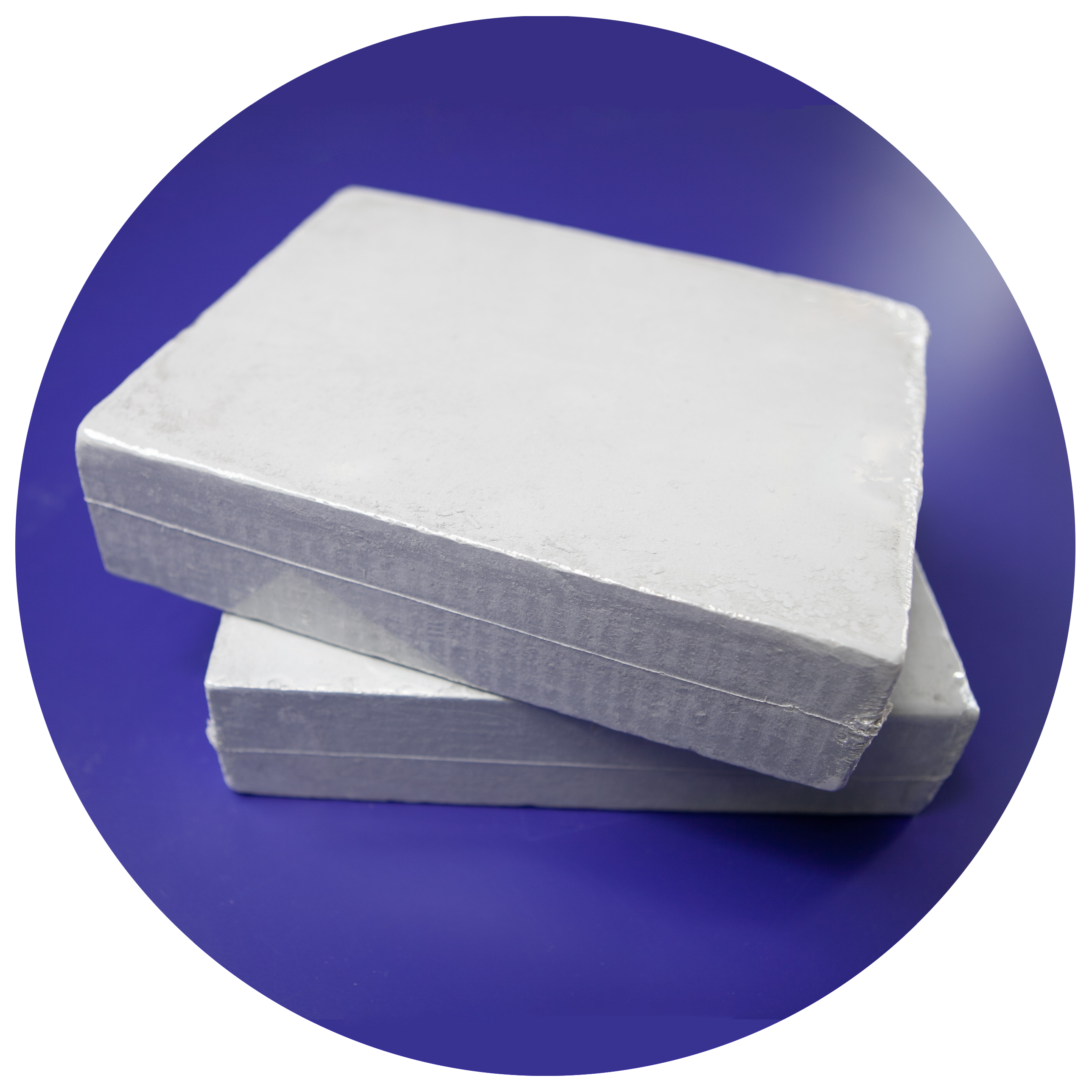
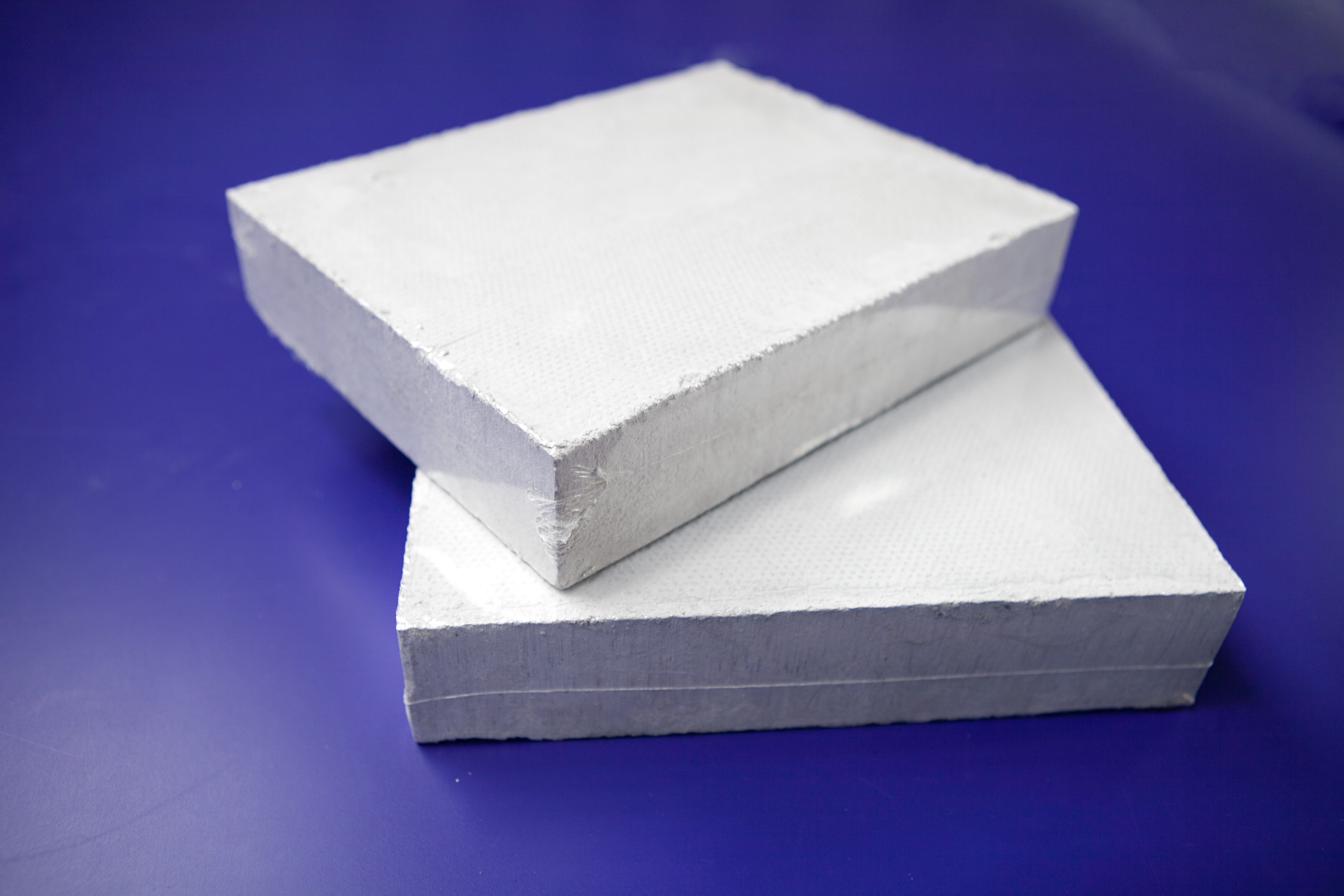
In the steel industry, nano insulation panels (also known as nano microporous insulation panels) are known as "super insulation materials", with their core advantages being extremely low thermal conductivity (usually lower than static air) and ultra-thin and efficient properties. It usually does not come into direct contact with molten steel, but is installed as a backing insulation layer between the equipment steel shell and permanent layers (such as castables, refractory bricks).
After adopting a 7mm nano insulation board composite structure, the cladding temperature can be reduced by 80-100 ℃, and the ladle does not need to be baked again during the continuous casting cycle. The capacity of molten steel increases, and the energy-saving effect is significant. Adopting a composite lining structure, the sequence from outer to inner is: steel shell → nano insulation board → permanent layer (high alumina brick/castable) → working layer (magnesia carbon brick).
The nano version has a low thermal conductivity, which is much lower than that of traditional materials such as calcium silicate board. The core technology of thermal insulation materials is thermal conductivity. The lower the thermal conductivity, the lower the surface temperature of the product, and the outer temperature of the usage area decreases accordingly. Through multiple third-party sample testing of our nano board, the thermal conductivity is much lower than the technical indicators of similar products in the industry, which can help enterprises save energy, reduce energy consumption, and achieve energy conservation and emission reduction.
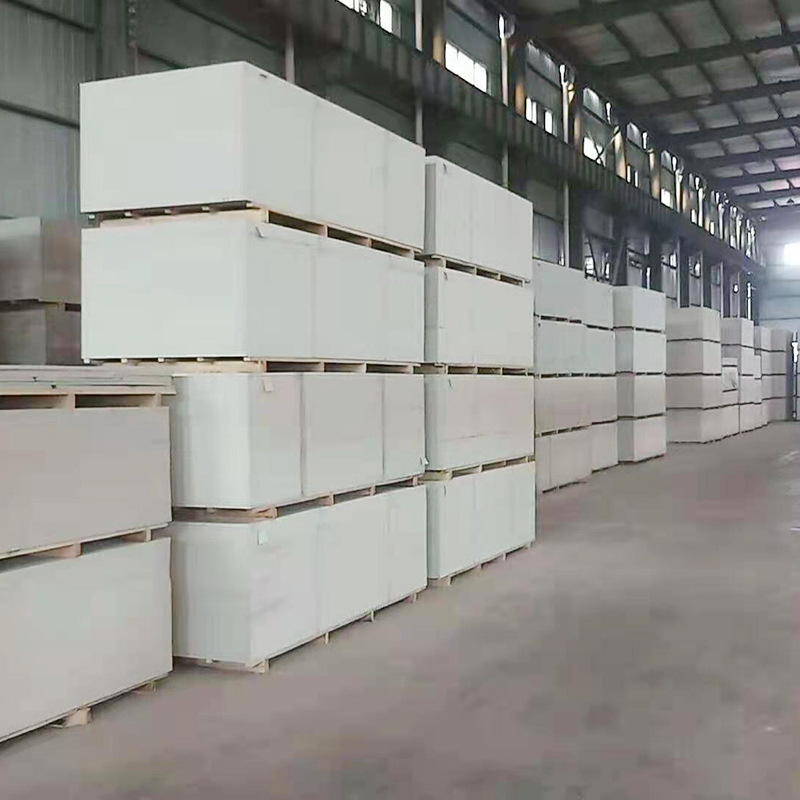
Nanoboard has good strength. Our nanosheets are produced on a fully automated production line with advanced equipment and high compression strength using a press machine. The goods arrive at the site with almost no loss, making it easy to cut during construction and less prone to fragmentation. At the same time, it solves the problem of high fragility and loss of nano boards among peers.
Nanoboards will not incinerate under high temperature operation, but will harden. The insulation performance does not deteriorate, with better high-temperature strength and longer service life.
The thermal conductivity of the nano insulation board is extremely low, but its texture is relatively brittle. It should be handled gently during construction to avoid collision. Seal the cut promptly after cutting to prevent powder leakage from affecting the insulation effect. When using multiple layers, the seams must be staggered and sealed with aluminum foil tape to ensure overall insulation effect. Rosewool Insulation Refractory Co.,Ltd., as a leading manufacturer in the field of insulation materials for more than 40 years, can provide you with specialized nano insulation boards for the steel industry. It supports thickness and size customization, and is equipped with auxiliary materials such as high-temperature adhesive and aluminum foil tape, as well as installation technical guidance. Welcome to contact us anytime for selection suggestions!