Rosewool Insulation Refractory Co.,Ltd.
Your Position: Home > About us > News > Company News

What are the insulation materials used in the non-ferrous metal industry?

Release Time: 2026-02-26
Share:
What are the insulation materials used in the non-ferrous metal industry? The non-ferrous metal industry is an industrial sector engaged in the exploration, mining, smelting, and processing of all metals except for iron, chromium, and manganese. Its products are widely used in key fields such as aerospace, new energy vehicles, power communication, and building appliances, and are the "cornerstone" industries that support the sustainable development of the national economy.
                                                       

What are the insulation materials used in the non-ferrous metal industry?
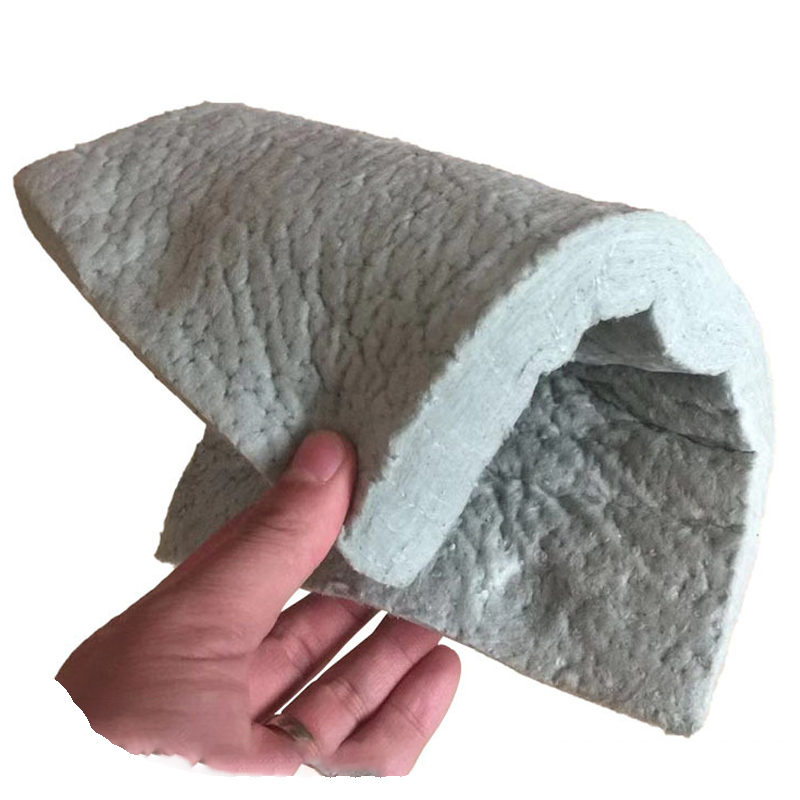
  • Ceramic fiber (aluminum silicate fiber) is the most widely used lightweight insulation material in the non-ferrous metal industry, and is highly favored due to its low thermal conductivity, high temperature resistance, and thermal shock resistance.
  • Aerogel nano thermal insulation technology has begun to enter the non-ferrous metal industry. With its ultra-low thermal conductivity and lightweight characteristics, it has become an upgraded substitute for traditional materials.
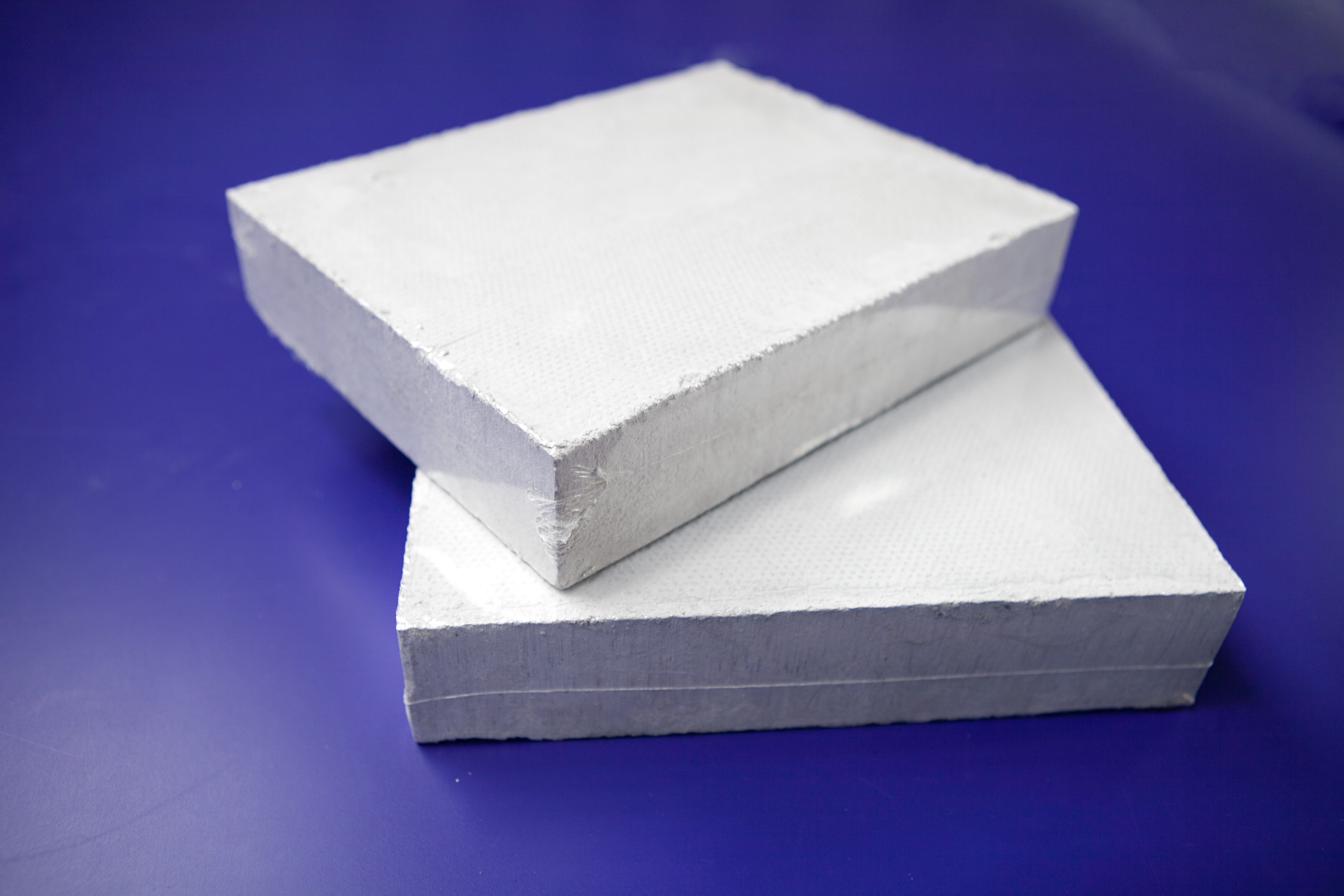
  • Calcium silicate board has high temperature resistance, high strength characteristics, and supports customized services.
  • High silica glass fiber products are resistant to high temperatures and insulation, reducing noise and vibration during the operation of non-ferrous metal production equipment, and improving the working environment.

As a professional manufacturer of insulation and refractory materials, Rosewool Insulation Refractory Co.,Ltd provides the non-ferrous metal industry with:
  1. Full range of products: ceramic fiber board/blanket/module, nano insulation material, calcium silicate board, etc
  2. Technical solution design: Provide optimal insulation structure design based on furnace type, process temperature, and melt type
  3. Product customization: irregular parts can be processed and prefabricated according to drawings, reducing on-site cutting
  4. Construction guidance: Provide installation technical support and node handling suggestions
  5. Quality assurance: The product has stable performance and can provide third-party testing reports

Also Read

calcium silicate board

What are the advantages and disadvantages of calcium silicate board

In the field of modern architecture and industrial insulation and fire resistance, calcium silicate board, as a new type of energy-saving and environmentally friendly material, is gaining widespread attention due to its unique properties. It is mainly made of siliceous and calcareous materials through molding, steam curing and other processes, and plays an important role in wall partitions, ceiling decoration, equipment insulation and other scenarios. However, every material has its duality, and calcium silicate board is no exception. Today, we will delve into the advantages and disadvantages of calcium silicate board and recommend a reliable purchasing option for you - Rosewool Insulation Refractory Co.,Ltd.
View More >>
rock wool board

Boiler insulation material rock wool board selection manufacturer's pit avoidance guide

Boiler insulation material rock wool board selection manufacturer's pit avoidance guide? In boiler insulation engineering, rock wool board is a commonly used Class A non combustible insulation material. However, due to the mixed market, if the wrong manufacturer is selected, it is prone to problems such as cutting corners, insufficient density, poor hydrophobicity, and delayed supply, resulting in insulation failure, increased energy consumption, and even safety hazards.
View More >>
different rock wool rolls

What are the main applications of different rock wool rolls?

What are the main applications of different rock wool rolls? Rock wool roll felt is a commonly used insulation material in the industrial and construction fields due to its multiple characteristics such as insulation, fire resistance, sound insulation, and hydrophobicity, as well as its soft texture and convenient construction. Different types of rock wool roll felt (classified according to differences in temperature resistance, hydrophobicity, strength, etc.) have their own specific application areas.
View More >>

Send Enquiry Now

sales@rosewool.com
+86 18538206860
+86 18538206860
Speak To Our Team
Name:
Country :
*Email:
*Phone/Whatsapp:
*Inquiry:
X