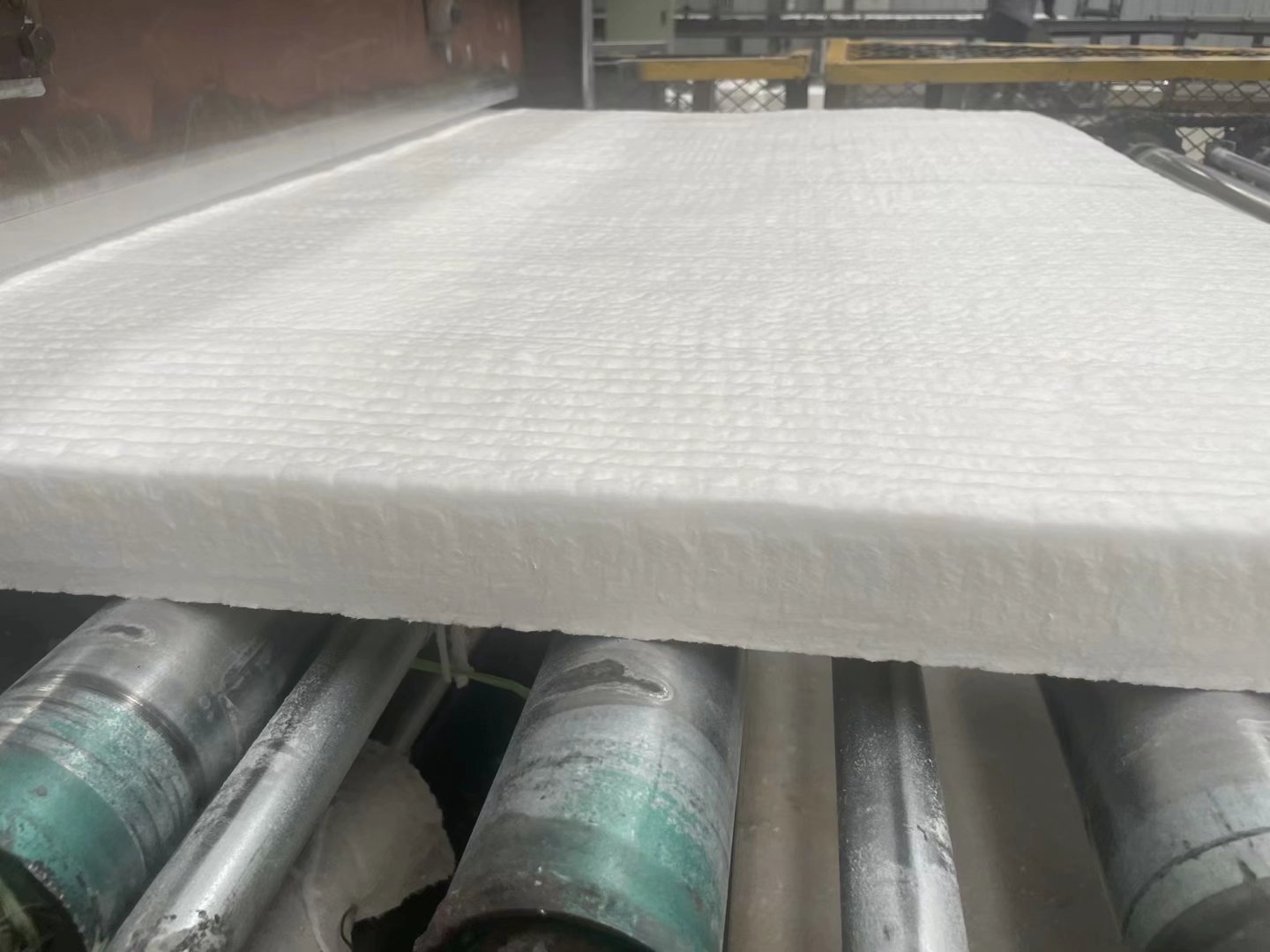
What will happen after the insulation material aerogel felt of the power plant is damped? Can the performance be restored to its original state after drying?
Release Time: 2026-11-10
Share:
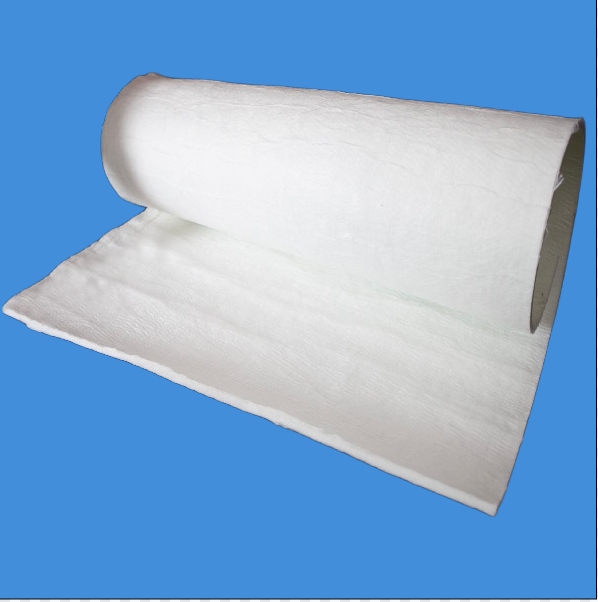
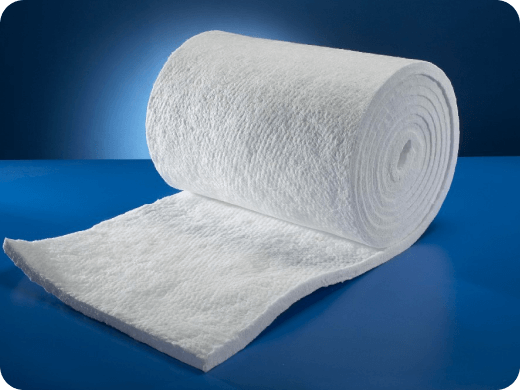
What will happen after the insulation material aerogel felt of the power plant is damped? Can the performance be restored to its original state after drying? As a high-end energy-saving thermal insulation material for power plants, aerogel felt has been widely used in thermal power plants, waste heat power plants, and solar thermal power plants with its advantages of ultra-low thermal conductivity, lightweight, wide temperature resistance range, and integrated drainage and insulation. The main application parts include steam turbine body, high-temperature steam pipeline, SCR denitration reactor, economizer, header, boiler wall, flue gas flue, valve and flange shaped parts, thermal storage tank and other high-temperature areas, especially suitable for the parts with narrow space, limited load, and strict restrictions on insulation thickness. Under the same insulation effect, the insulation thickness of air gel felt is only 1/3~1/4 of that of traditional rock wool and aluminum silicate fiber products, which can effectively reduce the heat loss of equipment surface, control the outer wall temperature, reduce heat loss, improve the thermal efficiency of the unit, while playing the role of anti scald protection, reducing flue condensation and corrosion, and adapting to the complex working conditions of continuous high temperature, alternating temperature, and frequent vibration in the power plant.
Although the aerogel felt has hydrophobic characteristics, it will still be affected with moisture in the case of package damage, outer protective layer failure, rainwater infiltration, long-term immersion in condensed water, etc. After the material becomes damp, the pores are filled with moisture, the air insulation channels are damaged, the thermal conductivity rapidly increases, and the insulation performance is greatly degraded, directly causing equipment heat dissipation and surface temperature to exceed the standard, resulting in increased energy consumption; Long term moisture exposure can also lead to an increase in the weight of the insulation layer, which increases the load on pipelines and equipment. Continuous contact of moisture with metal substrates can accelerate the corrosion of pipelines and outer walls of shells, laying hidden risks of corrosion and leakage; In case of repeated dry wet alternation, the porous structure inside the aerogel is prone to pulverization and fiber bonding force decline, and the material is prone to powder shedding and delamination, which shortens the service life and, in serious cases, may cause local insulation failure.
Many customers will be concerned about whether the moisture gel felt can be recovered after drying: for products that are simply exposed to moisture for a short time, without long-term immersion, without repeated drying and wetting cycles, and without powdery delamination in structure, the thermal conductivity will rise to a certain extent after being fully dried at low temperature, but "the original performance cannot be completely recovered". The infiltration of water molecules will irreversibly damage some of the nano pore structures, leaving trace hydrophilic groups, which are more likely to absorb moisture again in the future; Once there is water immersion, long-term humidity, powdering and layering, the performance degradation after drying will be more obvious, and it is not recommended to continue using it in the core high-temperature parts of the power plant. The power plant project has extremely high requirements for insulation stability. Priority should be given to rainproof, sealed external protection, and construction protection to avoid moisture risks from the source, which is far more reliable than later drying and remediation. Rosewool Insulation Refractory Co.,Ltd. is deeply engaged in the field of industrial insulation, and can provide high-quality aerogel felt series products that are suitable for the working conditions of power plants. The products are strictly tested for hydrophobicity, thermal conductivity and tensile strength before delivery, and are suitable for the scenarios of high temperature pipes, denitration, boilers, etc. of power plants. We can provide material selection, construction technology guidance, and scheme matching services, support customized specifications as needed, stable delivery of spot goods, and complete after-sales technical support to help customers control the key points of construction protection and reduce moisture damage. Choosing to cooperate with us not only provides stable and reliable high-end insulation materials, but also offers a complete set of power plant insulation solutions, helping power plants achieve long-term energy conservation, reduce operation and maintenance risks, and ensure the long-term stable operation of the units.