The difference between 100K rock wool board and 70K rock wool board for electrolytic cell insulation
Release Time: 2026-04-17
Share:
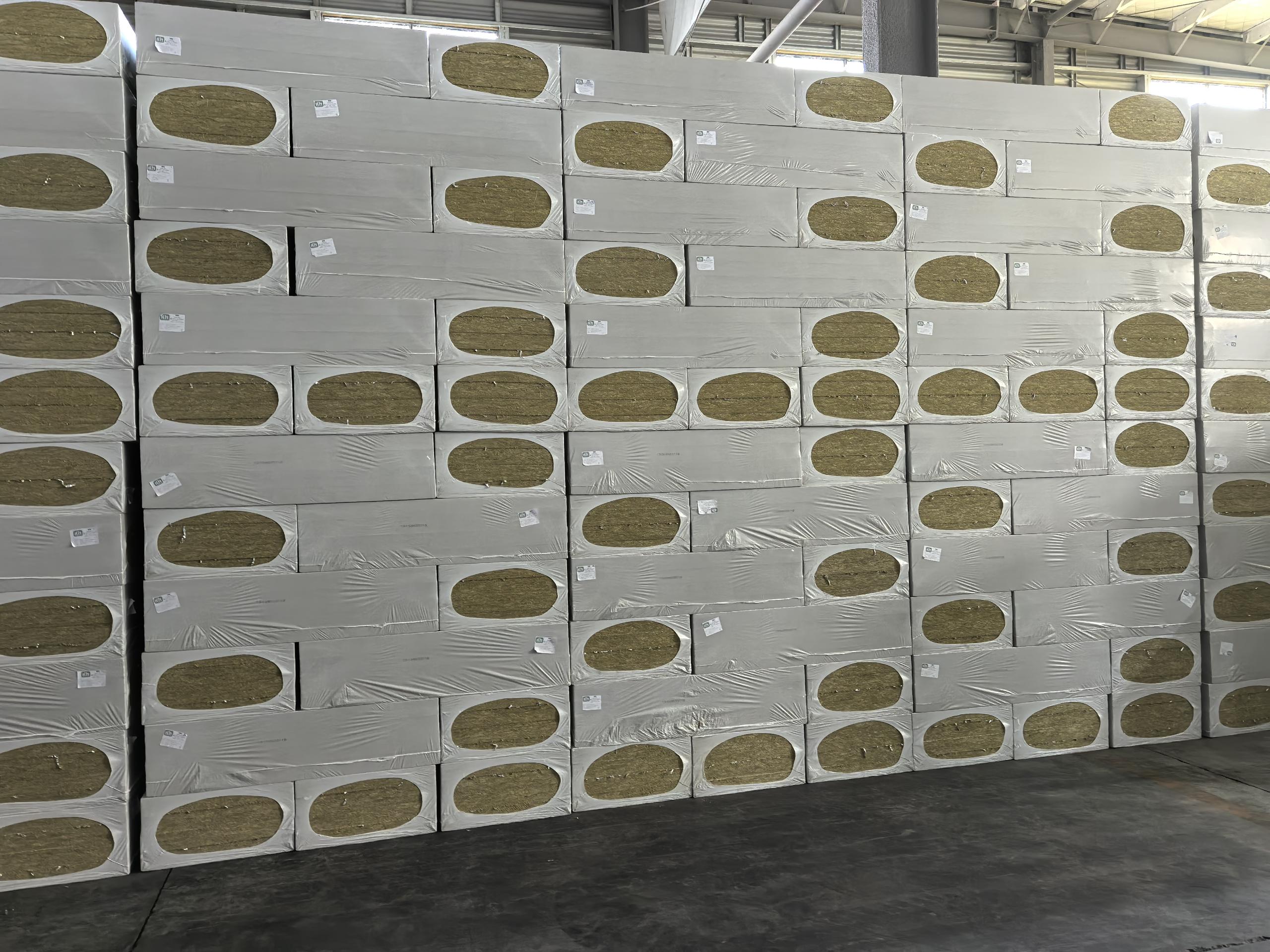
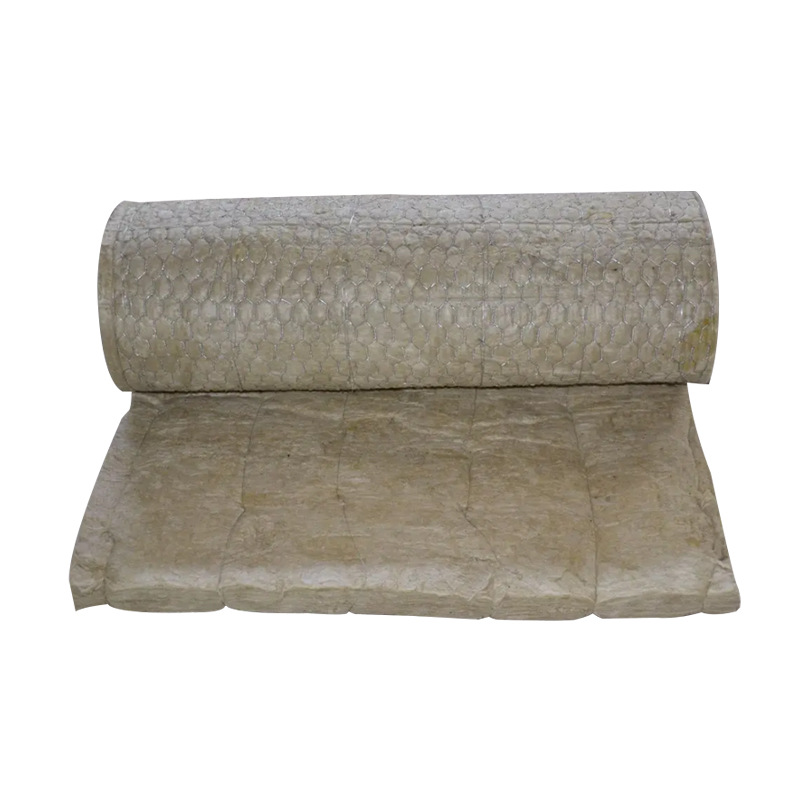
What is the difference between 100K rock wool board and 70K rock wool board for electrolytic cell insulation? The density of rock wool board is one of the key indicators affecting its insulation performance. There are significant differences between 100K (density 100kg/m ³) and 70K (density 70kg/m ³) rock wool boards in practical applications. Here are a few convenient ways to introduce them to you: 1. Different thermal conductivity
The thermal conductivity of 70K rock wool is approximately 0.042-0.045 W/(m · K)
The thermal conductivity of 100K rock wool is approximately 0.035-0.038 W/(m · K)
Thermal conductivity is the core indicator for measuring the insulation performance of insulation materials, and the lower the value, the better the insulation effect. 100K rock wool has a denser fiber structure and significantly lower thermal conductivity than 70K rock wool, resulting in better insulation performance. 2. Using different thicknesses
When achieving the same insulation effect, the thickness required for 100K rock wool is about 25% -30% thinner than 70K rock wool 3. Thermal insulation and energy-saving effect
Under the same thickness conditions (such as using 50mm for all), the insulation and energy-saving effect of 100K rock wool is about 15% -20% higher than that of 70K rock wool 4. Mechanical strength and wind erosion resistance
70K rock wool: with a soft texture and low compressive strength, suitable for insulation on vertical surfaces or ceilings without external force
100K rock wool: with a denser structure, higher compressive strength, and better resistance to wind erosion, it is suitable for equipment surfaces with airflow erosion or parts that require certain load-bearing capacity 5. Cost comparison
100K rock wool has a slightly higher unit price than 70K rock wool due to its higher raw material usage and production process requirements
However, due to the use of thinner thickness (which can be reduced by 25% -30%), the overall material cost difference is not significant
Considering factors such as transportation costs and installation hours, the comprehensive cost-effectiveness of 100K rock wool is often better 6. Service life
70K rock wool: During long-term use, settlement and deformation may occur due to the influence of gravity or vibration
100K rock wool: The fiber structure is more stable, the insulation effect is long-lasting, and the service life is longer, especially suitable for vertical facades or equipment with vibration What is the difference between 100K and 70K rock wool insulation boards for electrolytic cells? The insulation effect of 100K rock wool board is significantly better than 70K, and it has advantages in key indicators such as thermal conductivity, thickness, insulation effect, mechanical strength, and service life. Although the unit price is slightly higher, the comprehensive cost advantage brought by the reduction in thickness makes it more cost-effective. In application scenarios that pursue efficient insulation, limited space, or equipment with vibration or airflow erosion, it is recommended to prioritize the use of 100K rock wool board.