Is there any ammonia or sulfur oxide corrosion condition in the SCR denitrification area of the industrial plant
Release Time: 2026-10-15
Share:
Is there any ammonia or sulfur oxide corrosion condition in the SCR denitrification area of the industrial plant? Is it necessary to use corrosion-resistant and hydrophobic insulation products? SCR denitrification is an efficient process widely used in industrial flue gas treatment at present. It relies on catalytic reduction reactions to decompose nitrogen oxides in flue gas and has become the choice of many enterprises for environmental protection transformation due to its stable treatment efficiency. There are ammonia and sulfur oxide composite corrosion conditions in the SCR denitrification area of industrial plants, and the corrosion risk varies significantly in different segments. 1. "SCR reactor body (280-420 ℃ high temperature range)": When the flue gas temperature is higher than the dew point of the ammonium salt, the ammonium salt will not condense; Gaseous NH3 and SO ₂ have weak corrosion and low corrosion risk, mainly due to fly ash erosion. 2. "SCR outlet flue, elbow, variable diameter to low temperature section of air preheater (140~220 ℃)": The wall temperature drops during low load and start stop stages of the unit, and ammonium bisulfate condenses, resulting in corrosion of the CUI metal outer wall under the insulation layer, which is a key risk area for this project.
With the strengthening of national efforts in atmospheric environmental governance, various regions across the country are carrying out technological upgrades related to boiler generator units. The initial effect of the renovation is significant, but with the application of renovation technology, there will also be many problems in the later stage. Taking Unit 1 of a certain power generation company's two 650MW supercritical units as an example. This unit has completed ultra-low emission transformation, and the current main pollutant emission indicators are nitrogen oxides not exceeding 50mg/Nm3, sulfur dioxide not exceeding 35mg/Nm3, and particulate matter less than 10mg/Nm3. All pollutant emissions meet the current national ultra-low emission limit requirements. Is it necessary to use corrosion-resistant and hydrophobic insulation in the SCR denitrification area of industrial plants
The national standard GB50264-2013 recommends the use of hydrophobic fiber insulation materials, with no mandatory provisions;
However, in the SCR project of coal kiln furnaces/power plants, the units frequently start and stop, are arranged outdoors, and there is a risk of ammonium salt dew point corrosion. "In engineering, it is considered that corrosion-resistant and hydrophobic insulation products should be selected" to suppress rainwater/environmental moisture from entering the insulation layer and prevent acid condensation from causing corrosion of carbon steel substrates; Supporting outer protective plate sealing moisture-proof structure.
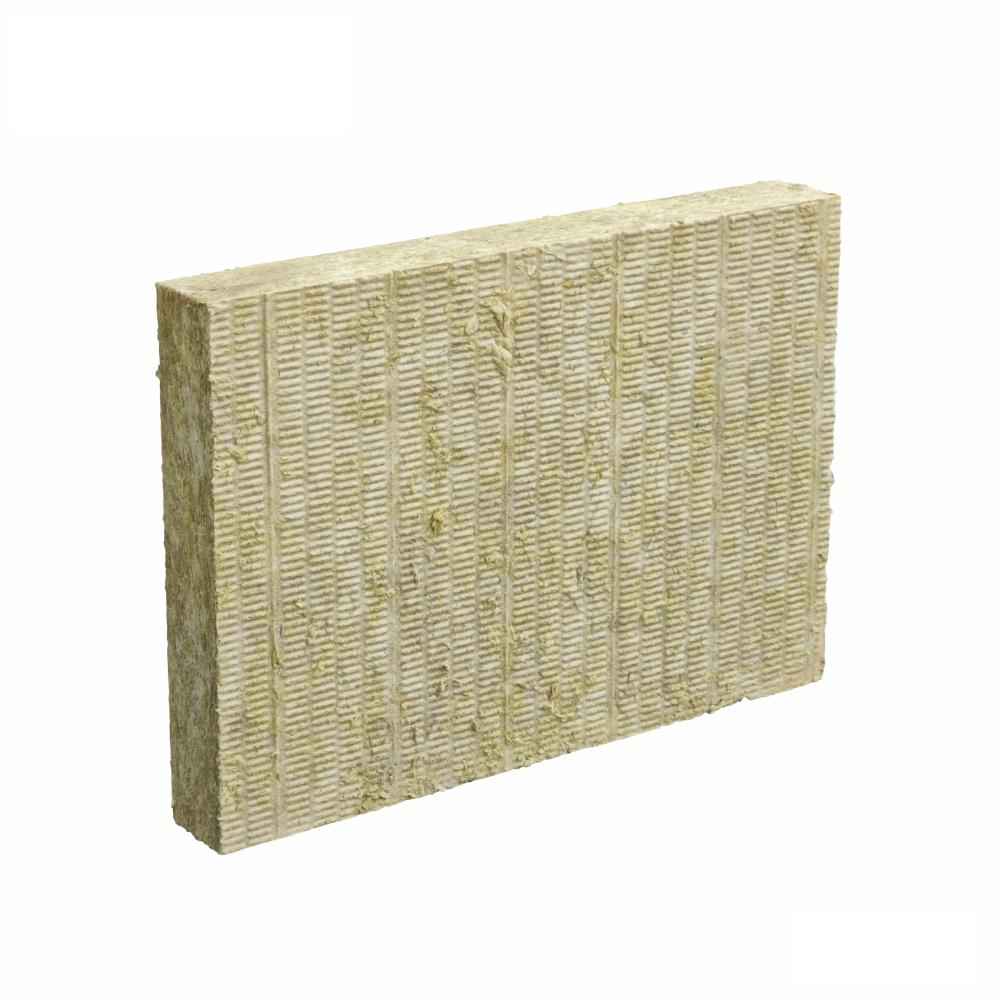
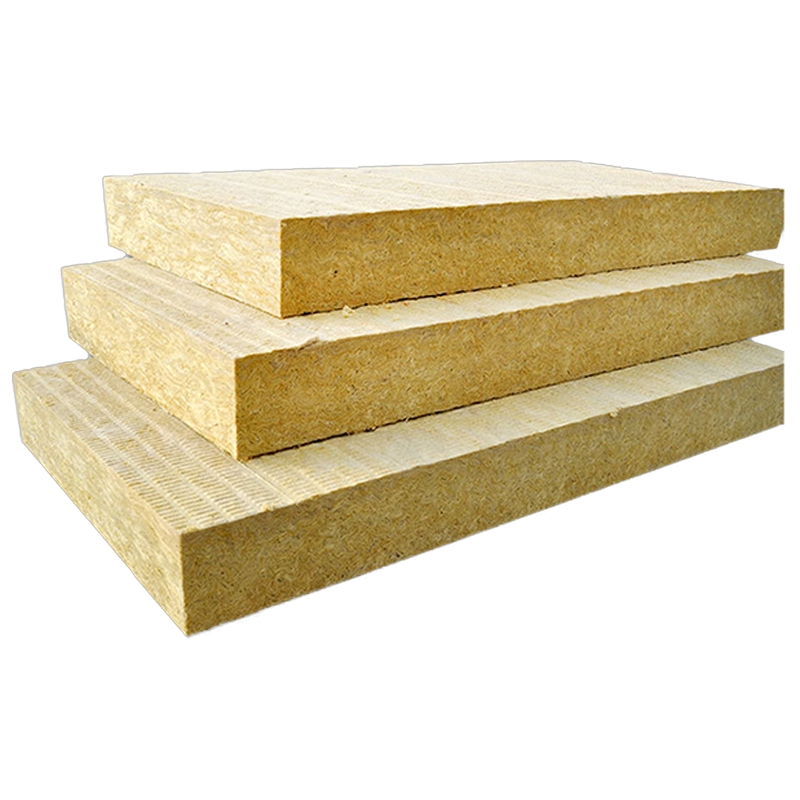
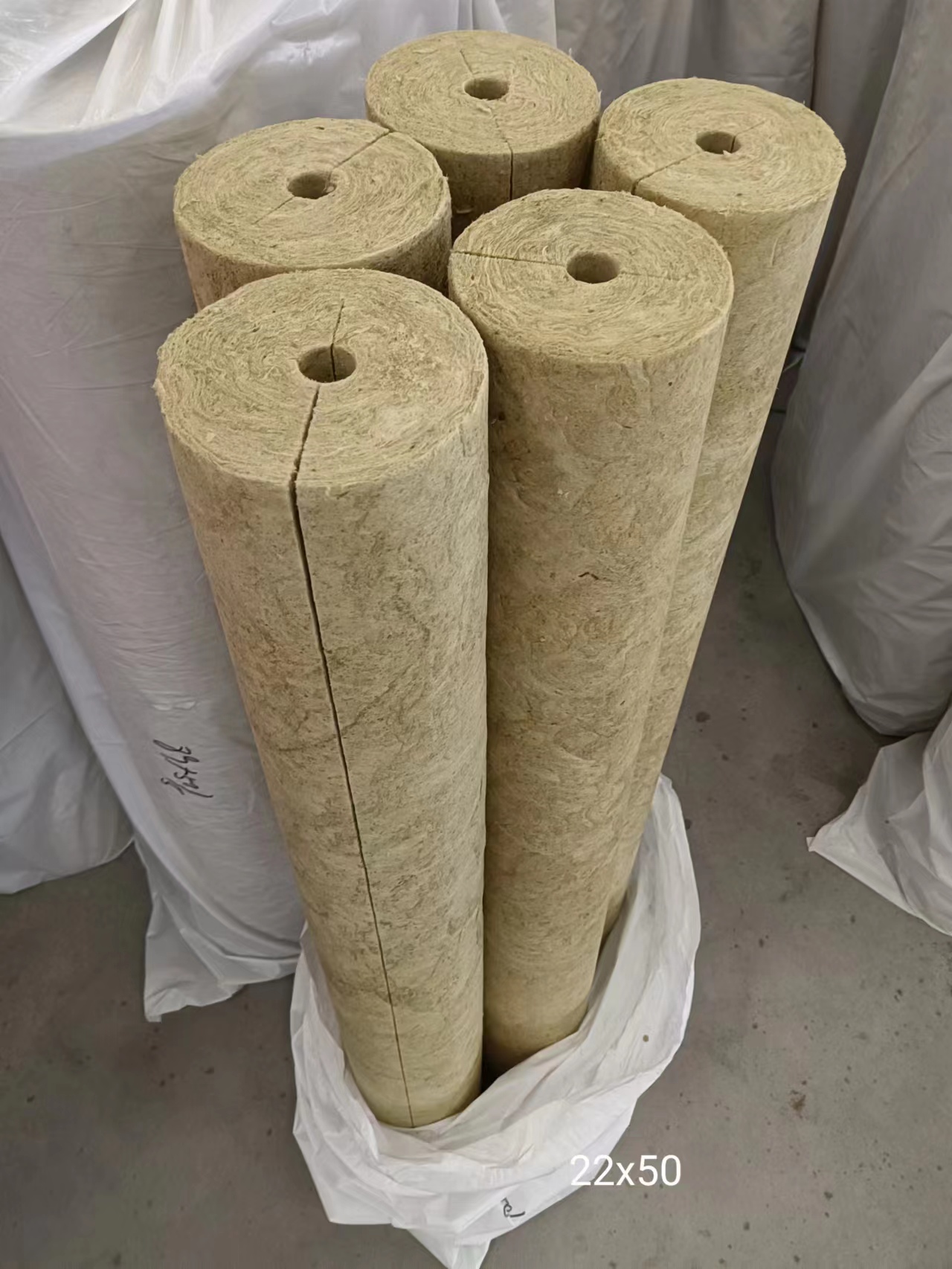
The flue gas medium in the SCR denitrification area contains escaping ammonia, SO ₂, SO Ⅲ, and water vapor. There is a compound corrosion condition of ammonium hydrogen sulfate dew point during unit start stop and low load conditions; The high-temperature body of the SCR reactor has a low risk of corrosion, while the low-temperature flue section at the SCR outlet has a high risk of CUI corrosion under the insulation layer. Choose "Rosewool Insulation Refractory Co.,Ltd. (Rosetexwool) corrosion-resistant and hydrophobic insulation products" with a hydrophobicity rate of ≥ 98%, low soluble chloride ions, inorganic resistance to weak acid corrosion, blocking water vapor intrusion, and avoiding equipment substrate corrosion caused by acidic condensation; The SCR reactor is made of hydrophobic ceramic fiber blanket, and the outlet low-temperature flue is made of hydrophobic rock wool products (nano hydrophobic aerogel blanket is used under high corrosion conditions). It is equipped with a complete metal external protection moisture-proof sealing system to meet the long-term safe operation requirements of the denitration device.
As a leading manufacturer of insulation and refractory materials with over 40 years of experience, Rosewool Insulation Refractory Co.,Ltd. can provide you with specialized insulation products for SCR denitrification areas
Hydrophobic ceramic fiber blanket - hydrophobicity rate ≥ 98%, temperature resistance 1050-1430 ℃, acid and alkali corrosion resistance, suitable for SCR reactor shell and high-temperature flue
Zirconium containing ceramic fiber blanket - ZrO ₂ content of 15-17%, temperature resistance of 1430 ℃, stronger resistance to chemical erosion, suitable for harsh parts such as catalyst support structures Hydrophobic calcium silicate board/pipe shell - resistant to temperature of 1000 ℃, high strength, corrosion resistance, suitable for medium and high temperature flue and pipeline
Aluminum foil composite insulation products - surface composite aluminum foil or stainless steel foil, forming a dense anti-corrosion barrier, suitable for humid and corrosive environments Rosewool Insulation Refractory Co.,Ltd. technicians suggest that the insulation of the SCR area should follow the principle of "inner layer anti-corrosion+middle layer insulation+outer layer sealing", and recommend using a composite structure of "hydrophobic ceramic fiber blanket+aluminum foil composite+metal outer protection".