Rosewool Insulation Refractory Co.,Ltd.

Your Position: Home > About us > News > Industry Knowledge

Selection and pit avoidance guide for insulation rock wool board in glass factory area

Release Time: 2026-03-27
Share:
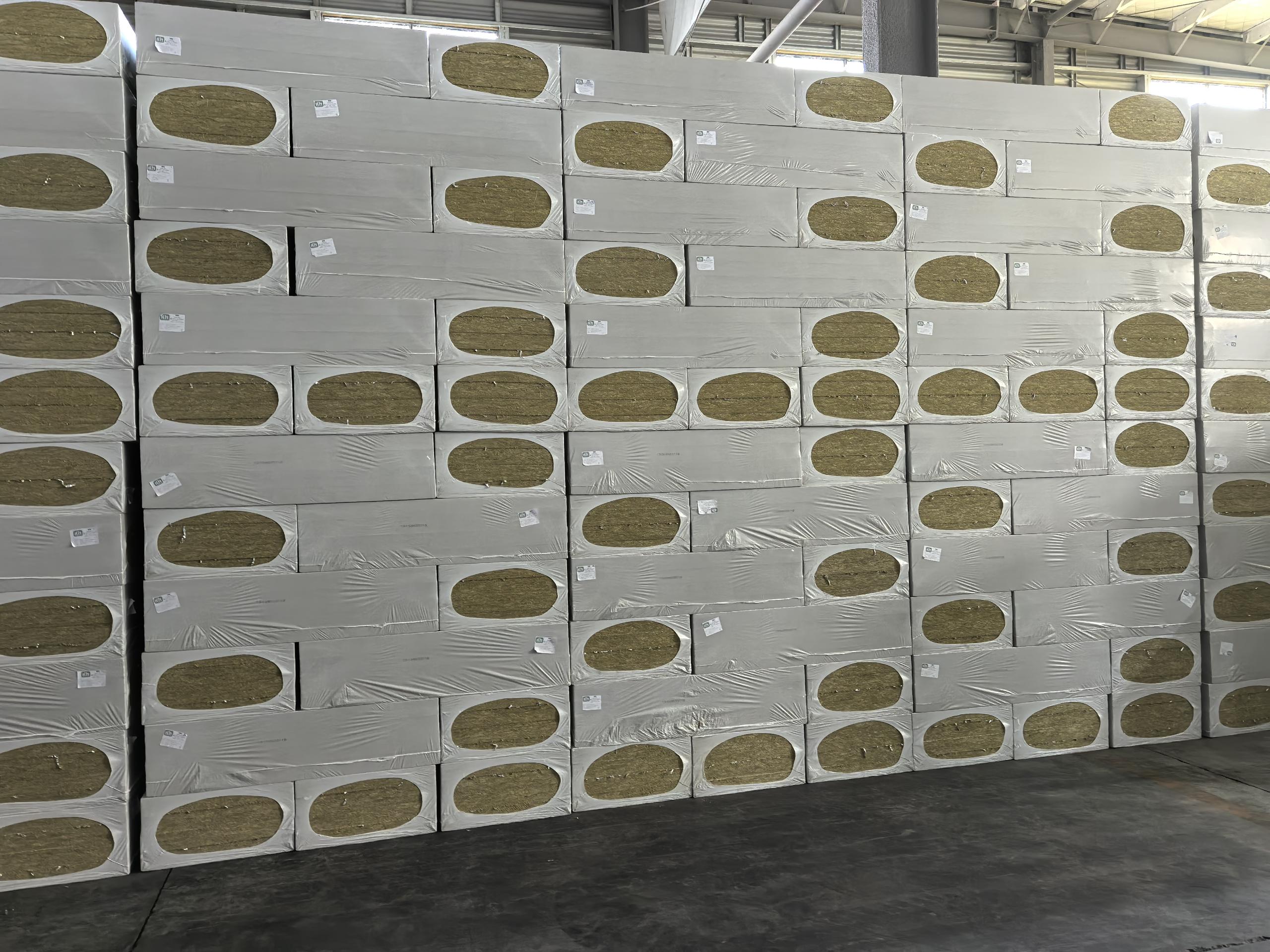
The insulation requirements of glass factories have extremely high demands on the high temperature resistance, fire resistance, and corrosion resistance of rock wool boards. When selecting, it is necessary to avoid the "terminology trap" and "inferior products" of merchants, and focus on the following core indicators. The core of selecting rock wool board for glass factories is to have "A-level fire resistance, high density, and no odor". Spend more money to buy peace of mind and avoid greater losses caused by insulation failure or fire in the later stage.
                                                                  

Selection and pit avoidance guide for insulation rock wool board in glass factory area:
1. Avoid the pitfalls of "temperature resistance virtual labeling"
How to avoid: Ordinary rock wool should not be used for a long time at a temperature exceeding 600 ℃. High temperature areas in glass factories (around the melting furnace, hot air ducts) should choose high-density hydrophobic rock wool boards or directly replace them with ceramic fiber products. When purchasing, be sure to check the maximum operating temperature and heat load shrinkage temperature detection report of the product, don't just listen to verbal promises.
2. Avoid pitfalls with insufficient density
How to avoid: For general pipeline insulation, choose 100-120kg/m ³, and for furnace walls and equipment insulation, choose 120-150kg/m ³. Don't try to buy low-density products at a low price, as it saves a small amount of money and increases the cost of later maintenance. Weighing it, the same thickness and density are noticeably heavy.
3. Avoid pitfalls that are not moisture resistant
How to avoid: Choose hydrophobic rock wool board with a hydrophobicity rate of ≥ 98%. Simple test: Drop a few drops of water on the surface of the board, and high-quality hydrophobic rock wool droplets will roll off like on a lotus leaf, without penetrating; Poor, just suck it in directly. For outdoor or humid areas, it is recommended to choose aluminum foil veneer type, which has double protection against moisture and heat insulation.
4. Avoid pitfalls with "more slag balls and thicker fibers"
How to avoid: Look at the cross-section, high-quality rock wool fibers are slender, evenly distributed, and have a soft and elastic feel; Poor quality rock wool slag balls are obvious, and they fall off when pinched. Touch it, the ones that don't prick your hands are good goods.
5. Avoid pitfalls of 'improper installation'
How to avoid: The insulation of the pipeline should use a more fitting pipe shell, and the large surface boards should be laid with staggered seams to avoid full seams. In outdoor or humid environments, the outer layer should be covered with aluminum foil or iron sheet for protection, and the joints should be sealed with aluminum foil tape. Removable insulation sleeves are used for irregular parts such as flanges and valves, making maintenance convenient and providing insulation.

Technical Parameters

Performance Indicators
Shot content ( Particle diameter ≥0.25mm) ≤ 12.0 %
The average diameter of fiber  ≤7.0 μm
Density Tolerance  ± 15%
Thermal Conductivity ( average temperature 70℃±52℃),W/(m/K)  ≤ 0.044
Thermal load contraction temperature (more than 60kg/m3)  ≤ 600 ℃
Moisture  ≤0.5%
Combustion performance Not burning (Class A)
Organic content  ≤ 4.0%


Guidelines for selecting insulation rock wool boards to avoid pitfalls in glass factory areas? You get what you pay for, you get what you get for insulation materials. Choose the right one, whether it's expensive or not, but choose the right one. The core of selecting rock wool board for glass factories is to have "A-level fire resistance, high density, and no odor". Spend more money to buy peace of mind and avoid greater losses caused by insulation failure or fire in the later stage. If you have any questions about the selection of rock wool boards in the glass factory area, please feel free to contact Rosewool Insulation Refractory Co.,Ltd. at any time. We will help you check the quality!

 

Also Read

1260 ℃ ceramic fiber cloth

What are the common specifications for 1260 ℃ ceramic fiber cloth?

What are the common specifications for 1260 ℃ ceramic fiber cloth? 1260 ℃ ceramic fiber cloth (also known as high-purity or zirconium containing ceramic fiber cloth) is a flexible refractory material that is resistant to high temperatures, provides insulation, and is widely used in industries such as metallurgy, petrochemicals, power, and glass for high-temperature sealing, wrapping, insulation curtains, fire-resistant blankets, and other applications. 1260 ℃ "refers to the classification temperature or maximum operating temperature of this type of ceramic fiber cloth. In actual long-term continuous use, it is generally recommended to maintain a safe continuous use temperature below 1000-1100 ℃ to ensure material performance and lifespan.
View More >>
rock wool board

Introduction to the sound insulation effect of rock wool board, a material used in insulation factories

Introduction to the sound insulation effect of insulation factory material rock wool board? There are many types of insulation materials, among which rock wool board is a popular external insulation material. In addition to its thermal insulation effect, rock wool board also has environmental protection and sound insulation effects. Today, let's talk about the sound insulation effect of rock wool board? Rock wool board is a crucial and efficient sound insulation and noise reduction material in temperature control factories. Its sound insulation effect mainly comes from its unique porous fiber structure and high-density characteristics, which can effectively improve the acoustic environment inside the factory.
View More >>
industrial thermal insulation material

What are the application fields of industrial thermal insulation material nano aerogel felt?

What are the application fields of industrial thermal insulation material nano aerogel felt? Nano aerogel felt is the preferred material for industrial high-temperature energy saving, ultra-thin weight reduction, cryogenic cold insulation, and fire safety, especially suitable for scenarios with limited space, weight limitation, high-temperature corrosion, and long life requirements (such as aluminum melting furnace, electrolytic cell, thermal pipeline).
View More >>

Send Enquiry Now

sales@rosewool.com
+86 13674954566
+86 13674954566
Speak To Our Team
Name:
Country :
*Email:
*Phone/Whatsapp:
*Inquiry:
X