Thermal insulation material ceramic fiber board for non-ferrous metal factories
Release Time: 2026-03-06
Share:
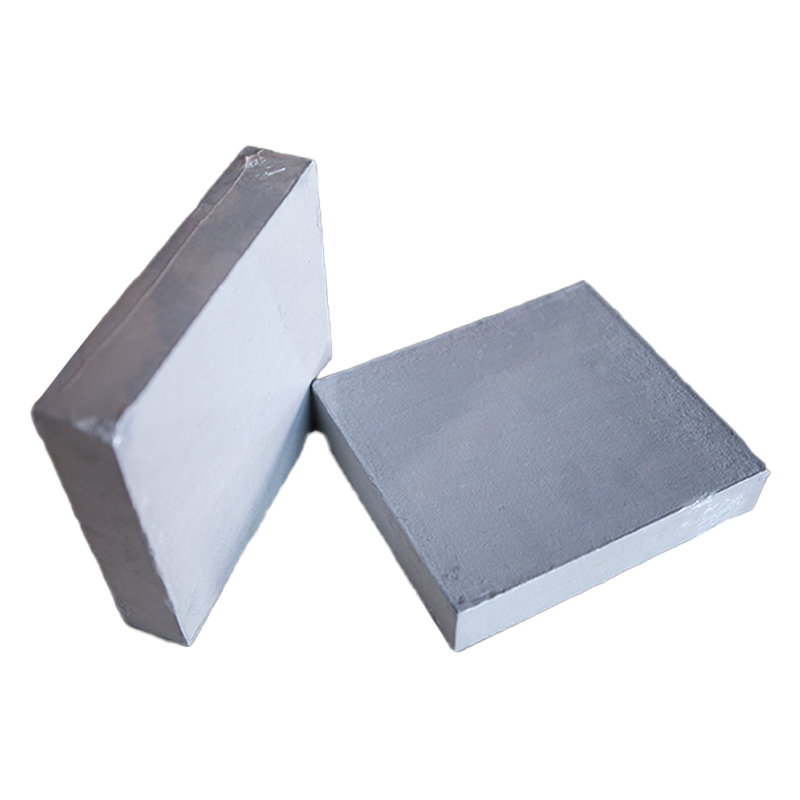
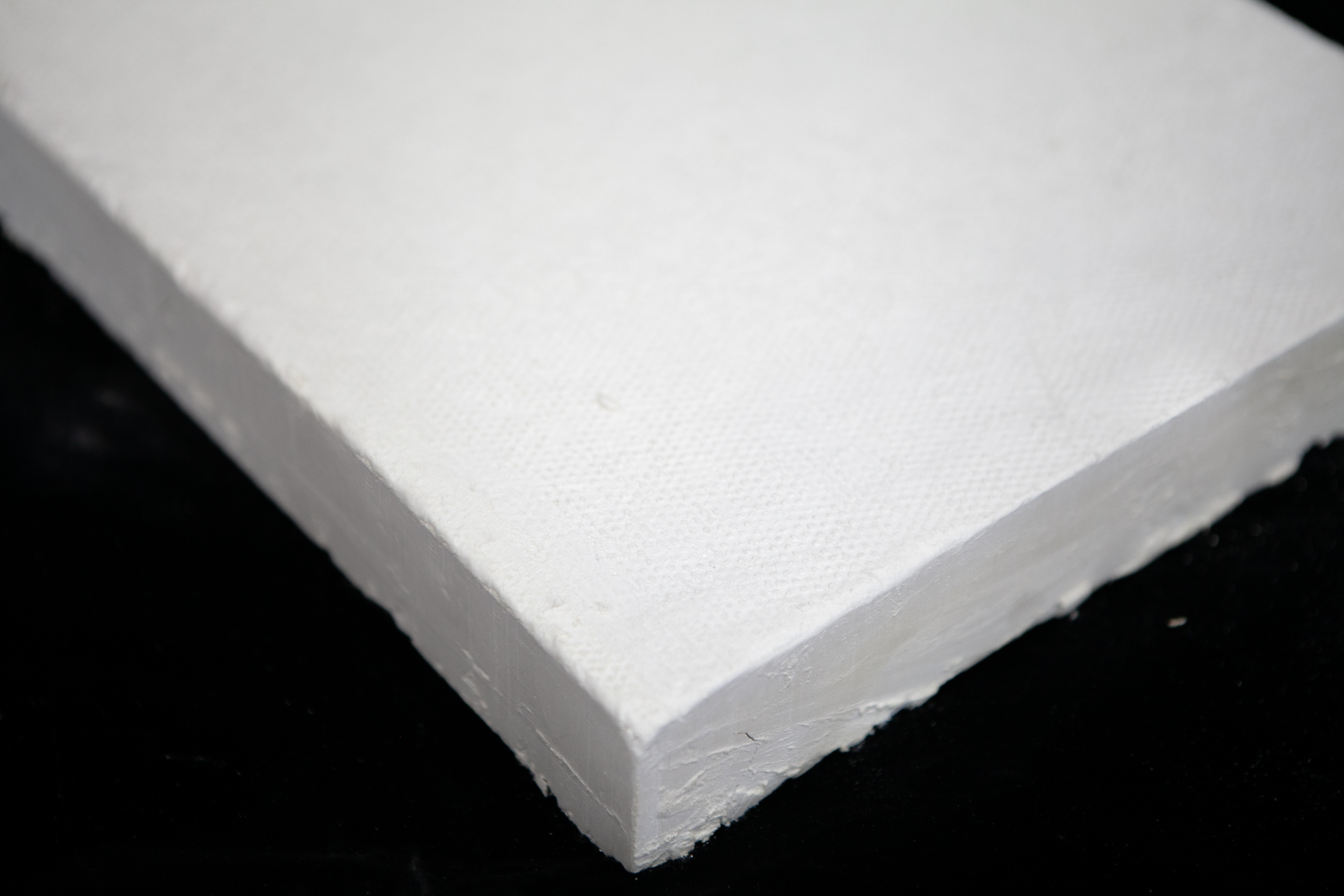
Ceramic fiber board as insulation material for non-ferrous metal factories? In non-ferrous metal factories such as copper, aluminum, lead, zinc, and magnesium smelting, melting, and processing industries, ceramic fiber board is an indispensable high-temperature insulation and structural material. Unlike ceramic fiber blankets (which are soft and compressible), ceramic fiber boards are hard boards formed by vacuum filtration of ceramic fibers into a slurry, followed by the addition of binders and solidification. It combines the excellent insulation performance of ceramic fibers with the structural strength of refractory bricks, making it particularly suitable for high-temperature areas in non-ferrous metal production that require load-bearing, erosion resistance, and complex shapes. In non-ferrous metal factories, ceramic fiberboard is a solution that balances insulation efficiency and structural strength:
For the aluminum and magnesium industries, high-purity or high aluminum plates at 1100-1260 ℃ are commonly used to make flow channels and furnace linings.
For high-temperature smelting industries such as copper and nickel, zirconium containing ceramic fiberboard with a temperature of 1400 ℃+must be selected as the hot surface material for key parts.
It successfully replaced some bulky refractory bricks, achieving lightweight, rapid lifting, and significant energy-saving effects (usually saving 10% -20% energy) of the furnace body.
If you have specific furnace types (such as reverberatory furnaces, rotary kilns) or temperature requirements, I can provide you with more targeted density and thickness recommendations.
Application analysis of ceramic fiber board in non-ferrous metal factories: 1. High temperature resistance performance
Ceramic fiberboard is mainly composed of aluminum silicate fibers, and can be used for a long time at temperatures above 1000 ℃. Some models (such as zirconium containing ones) can withstand high temperatures of 1200 ℃, fully meeting the requirements of high-temperature scenarios such as non-ferrous metal smelting and melting. 2. Efficient insulation
The thermal conductivity at room temperature is as low as 0.038-0.085W/(m · K), significantly reducing heat loss. For example, in the copper alloy casting process, using ceramic fiberboard as an intermediate package and flow channel cover can reduce the surface temperature of the furnace body by 30% -50% and save energy by 15% -20%. 3. Lightweight and structural strength
The density range is 280-320kg/m ³, which is only one-third of traditional refractory bricks, reducing equipment load. At the same time, the compressive strength reaches 11MPa, and the flexural strength meets the GB/T 6569-86 standard, which can withstand high-temperature airflow erosion and mechanical vibration. 4. Chemical stability
Resistant to acid and alkali corrosion (except hydrofluoric acid and strong alkali), suitable for complex industrial environments. During the aluminum liquid treatment process, ceramic fiber boards do not react with the aluminum liquid, avoiding pollution and prolonging equipment life. 5. Fire safety
Meets the A1 level non combustible standard, does not shrink upon burning, and does not produce toxic gases, providing reliable fire protection for non-ferrous metal factories.
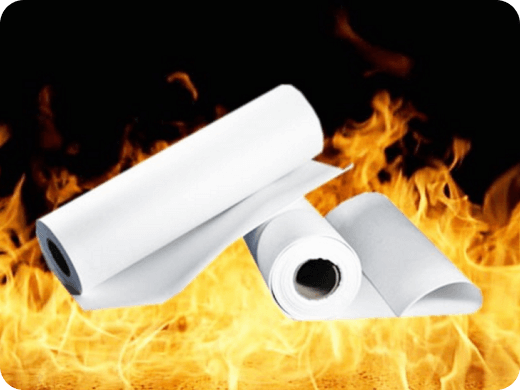
Ceramic fiber board as insulation material for non-ferrous metal factories? Rosewool Insulation Refractory Co.,Ltd. provides customized services for the entire industry chain supply: offering a full range of products such as ceramic fiber boards, blankets, modules, etc., which can be matched with the design of furnace lining structures to meet the diverse needs of non-ferrous metal factories. Moreover, Rosewool Insulation Refractory Co.,Ltd. has strong technical strength: as a national high-tech enterprise, it has more than 40 years of research and development experience. Its products have passed ISO9001 certification and are exported to more than 180 countries, with cases covering industries such as electrolytic aluminum, copper smelting, glass ceramics, etc.