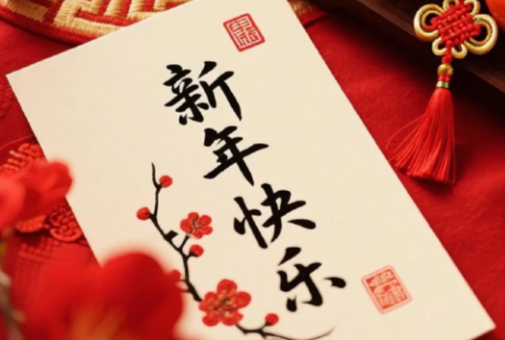
The Chinese New Year is one of the most solemn and distinctive traditional festivals among Chinese people. It is an important part of the excellent traditional culture of China. It is the first day of the lunar year (also called the lunar year), the first day of the first lunar month, commonly known as the "New Year". From the Laba Festival or the Little New Year to the Yuanxiao (Filled round balls made of glutinous rice-flour for Lantern Festival), it is called the New Year.
The Spring Festival has a long history, originating from the primitive beliefs and nature worship of early humans. It evolved from the ancient era of praying and worshiping at the beginning of each year. It is a primitive religious ceremony, where people hold sacrificial activities at the beginning of the year to pray for a bountiful harvest of crops and prosperity of people and livestock in the coming year. This kind of sacrificial activity gradually evolved into various celebration activities over time, ultimately forming today's Spring Festival. The term 'Spring Festival' was first used after the Xinhai Revolution.
During the Spring Festival, the Han ethnic group and many ethnic minorities in China hold various activities to celebrate. These activities mainly focus on ancestor worship and respect for the elderly, gratitude and prayer for blessings, family reunion, elimination of old and new, welcoming the new year and blessings, and praying for a bountiful harvest, with strong ethnic characteristics. There are many folk customs during the Spring Festival, including drinking Laba Congee, offering sacrifices to the Kitchen God, dustsweeping, pasting Spring Festival couplets, pasting New Year pictures, pasting the character of blessing upside down, keeping vigil on New Year's Eve, eating dumplings, lucky money, paying New Year's greetings, visiting temple fairs, etc.
Influenced by Chinese culture, some countries and regions around the world also have customs to celebrate the Chinese New Year. From Egypt in Africa to Brazil in South America, from the Empire State Building in New York to the Sydney Opera House, the Chinese Lunar New Year has sparked a "Chinese style" around the world. The Spring Festival is rich and colorful, with significant historical, artistic, and cultural value. In 2006, the Spring Festival customs were approved by the State Council and included in the first batch of national intangible cultural heritage list.
On December 4, 2024, the 19th regular session of the Intergovernmental Committee for the Safeguarding of the Intangible Cultural Heritage of UNESCO held in Asuncion, Paraguay, approved the evaluation and decided to include "Spring Festival - Social Practice of Chinese People Celebrating Traditional New Year" in the Representative List of the Intangible Cultural Heritage of Humanity.