What is the function of calcium silicate insulation pipe shell applied in aluminum plants?
Release Time: 2026-01-04
Share:
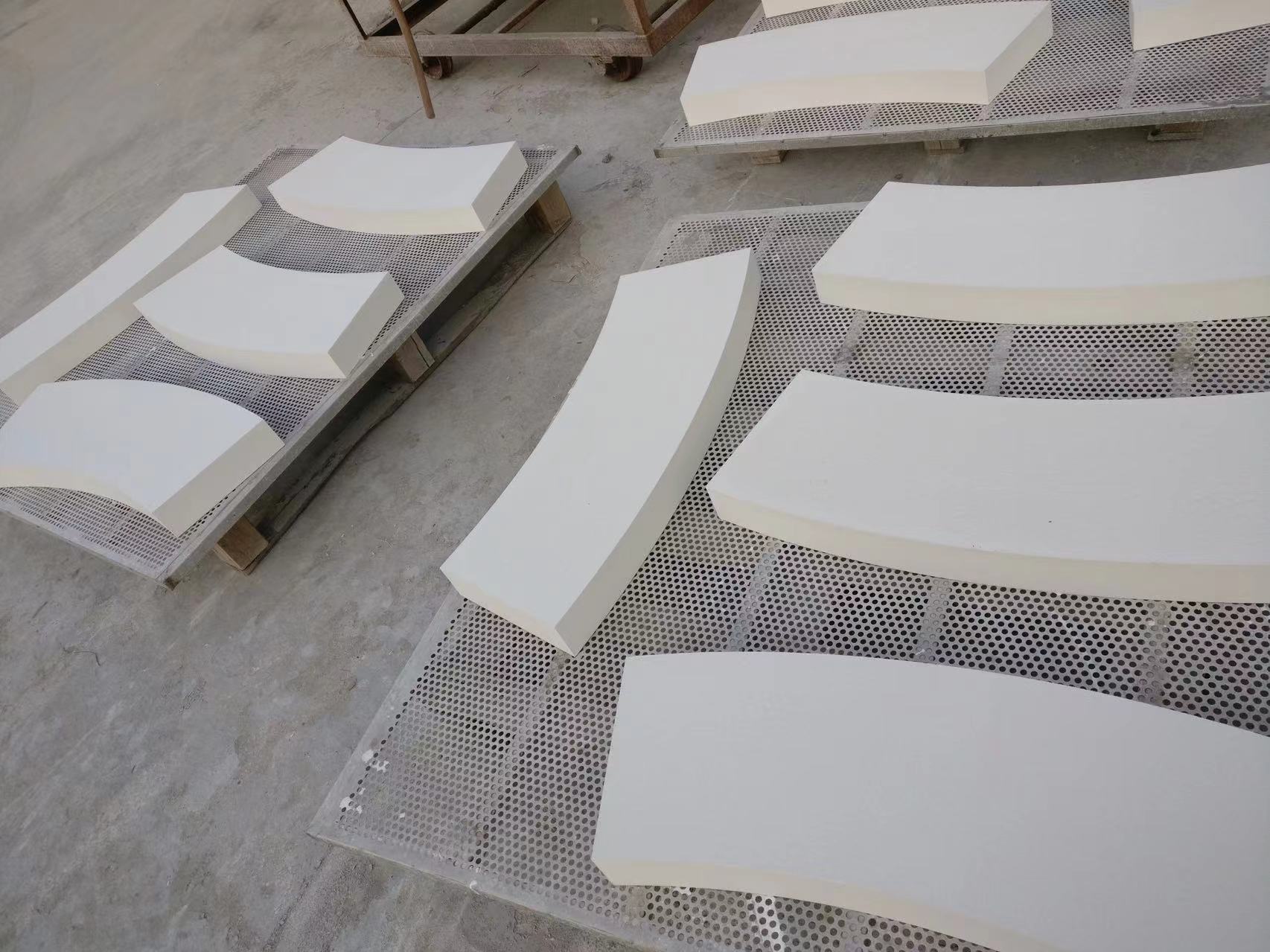
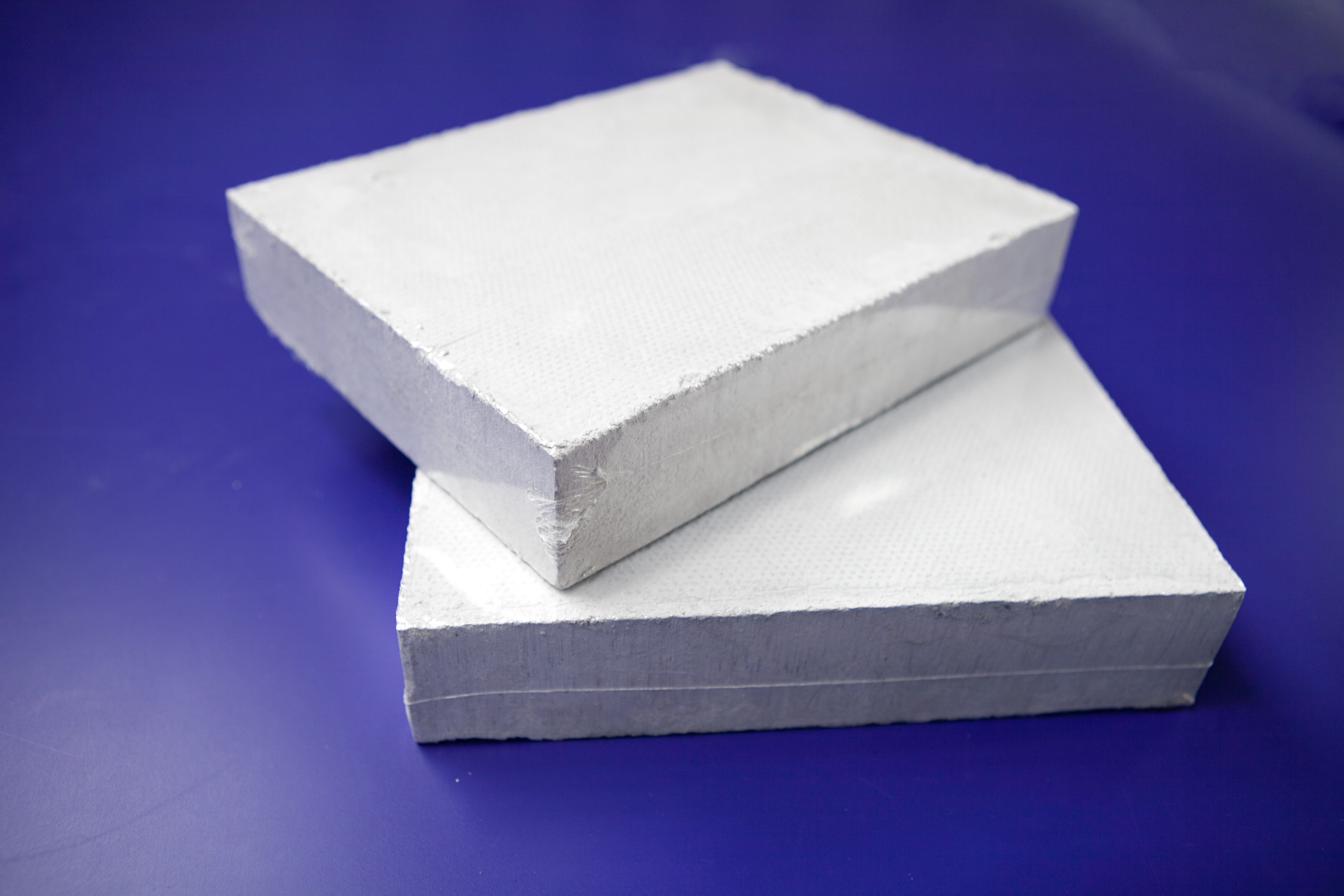
What is the function of calcium silicate insulation pipe shell in aluminum plants? In aluminum plants (including electrolytic aluminum, melting and casting, anode baking, waste heat recovery, and other processes), calcium silicate insulation pipe shell is a crucial high-temperature pipeline and equipment insulation material, primarily used in pipeline systems that transport high-temperature media (such as hot flue gas, heat transfer oil, steam, molten salt, etc.). Its core functions include efficient heat insulation, energy conservation and consumption reduction, ensuring safety, and extending equipment lifespan.
1. High-temperature insulation and energy saving and consumption reduction
The equipment/pipelines in aluminum plants, such as electrolytic cells, aluminum melting furnaces, flue gas pipelines, and steam pipelines, can operate at temperatures ranging from 300 to 800℃. The calcium silicate insulation pipe shell has a low thermal conductivity coefficient (≤0.06W/(m・K) at room temperature), which can effectively prevent heat loss and reduce energy consumption. Taking the steam pipeline associated with the aluminum melting furnace as an example, the installation of a calcium silicate pipe shell can reduce heat loss on the pipeline surface by 30%-50%, directly lowering the fuel and electricity consumption costs of the aluminum plant.
2. Equipment protection and prolonging service life
In the production environment of aluminum plants, there are a large amount of corrosive gases (such as hydrogen fluoride) and dust. Calcium silicate pipe shells exhibit excellent chemical corrosion resistance and moisture resistance, effectively isolating external corrosive media from eroding the metal outer walls of pipelines and equipment, thus preventing pipeline perforation and leakage due to oxidation and corrosion. Additionally, the pipe shells can alleviate the thermal expansion and contraction stress caused by alternating temperatures in the pipeline, reducing the risk of pipeline deformation and cracking, and extending the service life of equipment by 2-3 times.
3. Safety protection and improvement of working environment
The surface temperature of high-temperature pipelines without insulation can reach over 200℃, posing a risk of burns to personnel. Calcium silicate insulation pipe sleeves can control the external surface temperature of the pipeline below 50℃, eliminating potential safety hazards. Furthermore, the pipe sleeves can reduce the heat radiation from high-temperature equipment to the workshop environment, lowering the workshop temperature by 3-8℃ and improving the working conditions for frontline workers.
4. Adapt to the special working conditions required by aluminum factories
The calcium silicate insulation pipe shell boasts a high temperature resistance rating (with a long-term use temperature of up to 650℃, and some high-alumina types reaching 1000℃), making it stably compatible with high-temperature sections such as electrolysis, smelting, and flue gas treatment in aluminum plants. Additionally, its inorganic material composition ensures it is non-combustible and smokeless, meeting the fire safety standards of aluminum plants and preventing fire accidents caused by the combustion of insulation materials.