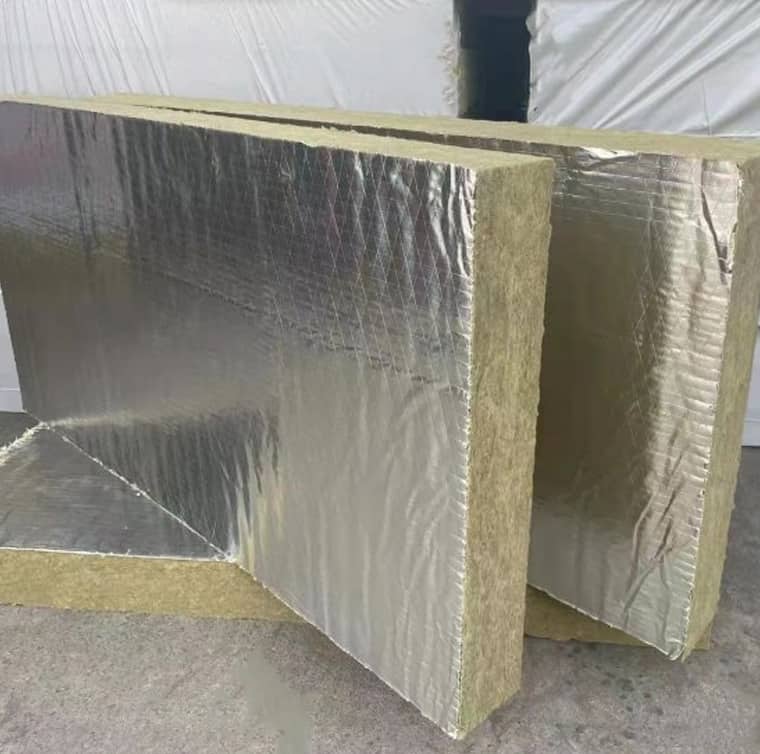
Factory price of 50K rock wool board for external wall insulation material of cement plant
Release Time: 2026-06-10
Share:
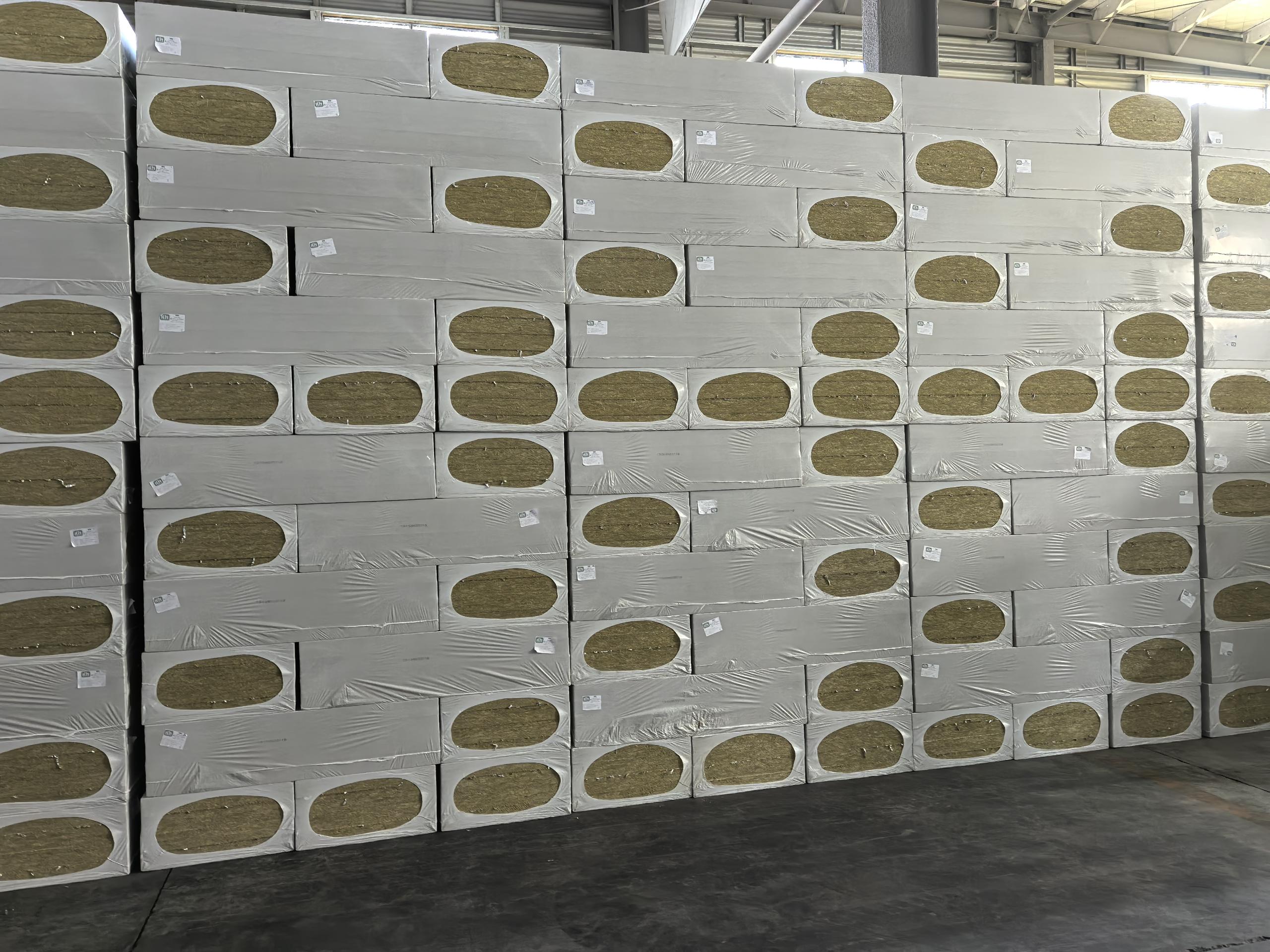
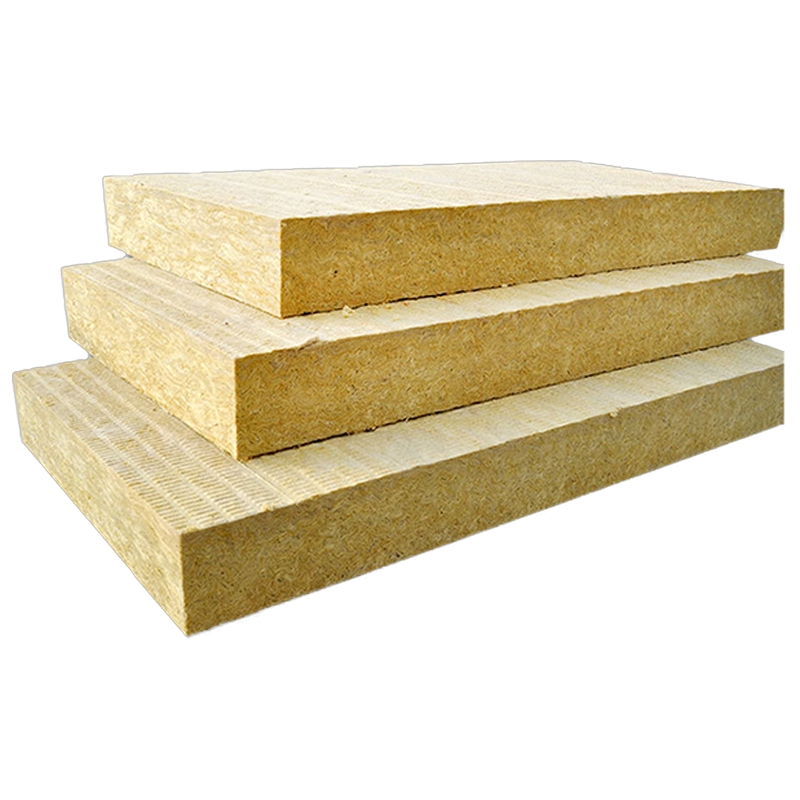
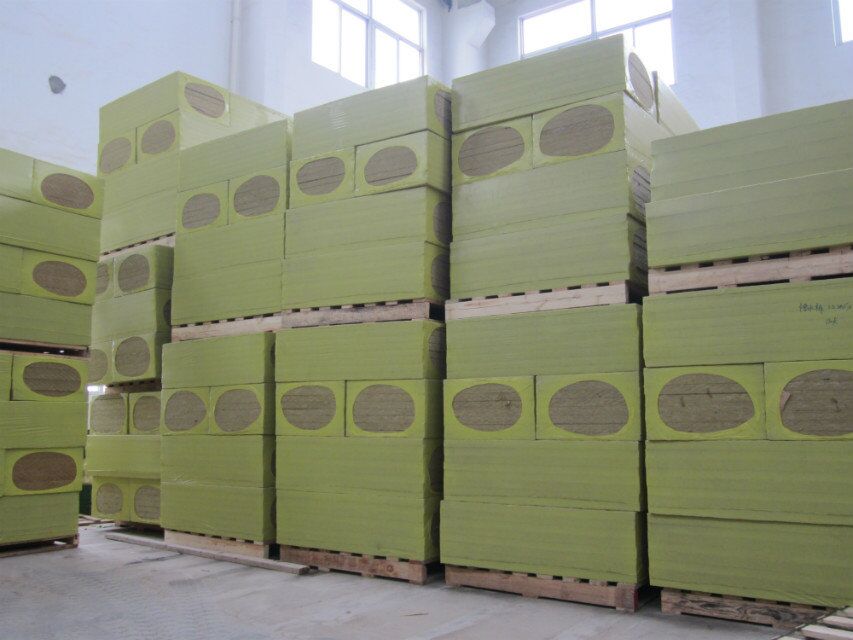
What is the ex factory price of 50K rock wool board for external wall insulation materials in cement plants? The exterior walls of cement plants belong to industrial exterior wall insulation, requiring A-level fire resistance, hydrophobicity, and high strength. Generally, low-density rock wool is not used, and it is usually designed to be 100K~140K (100-140 kg/m ³) and 50mm thick. 50K (density 50kg/m ³) rock wool board, with its A-level non combustible and cost-effective characteristics, is mainly used for insulation and sound insulation of non load bearing parts such as building exterior walls and fire barriers with low strength requirements.
50K (density 50kg/m ³) rock wool board, with its A-level non combustible and cost-effective characteristics, is mainly used for insulation and sound insulation of non load bearing parts such as building exterior walls and fire barriers with low strength requirements. But if the exterior wall is a thin plastering system, or used for fire barriers, accessible roofs, etc., high-strength rock wool boards with a density of ≥ 140kg/m ³ should be selected.
The basic functions of 50K rock wool fire prevention, insulation, sound absorption, temperature resistance, and light weight are fully up to standard, but the strength, hydrophobicity, wind resistance, and vibration resistance shortcomings are prominent, and it is not recommended as the main material for external wall insulation in cement plants; Can only be used indoors, inside low rise ancillary buildings, and other areas that are not affected by external forces or wind and rain. 50K rock wool board is only suitable for non load bearing, non strong impact, and low wind pressure secondary areas in cement plants:
Indoor partition walls and internal partitions of equipment rooms for insulation/sound absorption;
Low rise auxiliary cabins and inner side of enclosures in the factory area (not affected by wind, rain, or vehicle collisions);
rock wool board cement plant exterior wall insulation function: 1. Thermal insulation
Rock wool itself is an inorganic fiber porous structure with a thermal conductivity of ≤ 0.040 W/(m · K), which can block outdoor heat and cold transfer, reduce indoor high temperature in summer and heating energy consumption in winter, and reduce wall cold and hot bridges. 2. A-level fire-resistant and flame-retardant
Made of pure basalt/slag wool material, non combustible Class A, non flammable, non dripping, and does not release toxic smoke when exposed to fire; There are risks of dust, high equipment temperature, and hot work in cement plants, and fire prevention is a core necessity. 3. Sound absorption and noise reduction
A large number of internal pores can absorb airborne noise, weaken the noise generated by equipment operation, fans, and conveyors in the factory area, and improve the sound environment of the factory and surrounding areas. 4. Temperature resistance
Long term use temperature can reach 400 ℃+, with higher short-term temperature resistance. It is suitable for cement plant kilns, fan rooms, and surrounding external walls of high-temperature ancillary buildings, and will not deform or age due to high temperature environment. 5. Inorganic aging resistance
Natural mineral fiber, not moldy, insect infested, or rotten, acid and alkali resistant, suitable for cement plant dust, slightly corrosive smoke, and humid outdoor environments. Rosewool Insulation Refractory Co.,Ltd. recommends that when purchasing 50K rock wool board for cement plant exterior walls, it is not only necessary to consider the unit price, but also to calculate the comprehensive account. Choosing Rosewool Insulation Refractory Co.,Ltd.+clarifying performance requirements (especially hydrophobic treatment)+large-scale procurement is a reliable path to control total costs and ensure project quality. 50K (density 50kg/m ³) rock wool board, with its A-level non combustible and cost-effective characteristics, is mainly used for insulation and sound insulation of non load bearing parts such as building exterior walls and fire barriers with low strength requirements.