How to calculate the price of insulation material rock wool blanket with different densities in aluminum factories?
Release Time: 2026-06-12
Share:
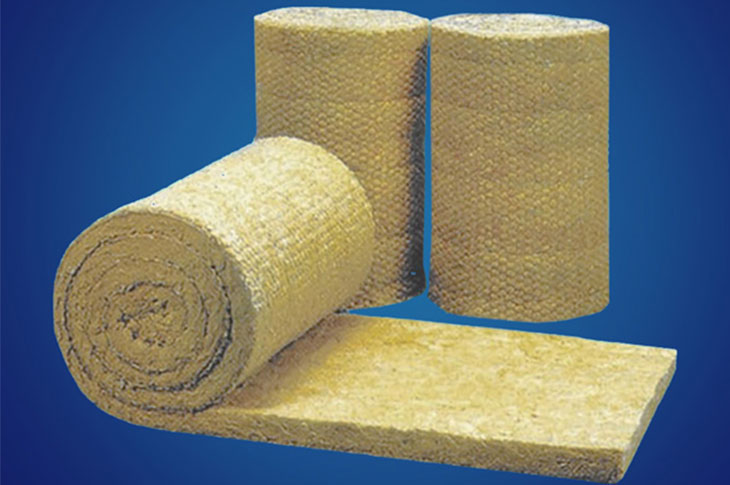
How to calculate the price of insulation material rock wool blanket with different densities in aluminum factories? Aluminum plants operate under high temperature, vibration, and high dust conditions, and generally use hydrophobic, high-temperature rock wool blankets (GB/T 11835) with a higher density than ordinary buildings. The price calculation of rock wool blankets used in aluminum factories with different densities mainly follows one principle: the higher the density, the more raw materials are used, and the more expensive the price. Simply put, it's like buying a down comforter, the higher the filling amount, the higher the insulation effect and cost. Due to the fact that the factory unit of rock wool blankets is usually calculated in "tons", while actual construction and procurement are often settled in "cubic meters" or "square meters", corresponding unit conversions are required.
The total cost of rock wool blanket=purchase area (㎡) × thickness (m) × density (kg/m ³) × unit price per ton (yuan/ton) Three elements for purchasing insulation material rock wool blanket for aluminum plants:
Density: 100kg/m ³ is preferred to achieve a good balance between insulation effect and cost.
Thickness: Depending on the temperature of the pipeline, 50mm or 100mm is generally selected.
Purchase quantity: Clearly specify the total quantity, the more the unit price, the better.
Performance: When inquiring, pay attention to both thermal conductivity and hydrophobicity indicators.
The core factors affecting the price of rock wool blankets in aluminum factories are:
Temperature resistance: Rock wool blankets are usually suitable for environments with a temperature of ≤ 600 ℃. But for aluminum plants, if the temperature of pipelines in certain high-temperature areas (such as near the melting furnace) exceeds this limit, it is necessary to consider replacing them with ceramic fiber materials with higher temperature resistance, and the cost structure will be different.
Procurement quantity: The price generally follows the principle of "large quantity is preferred". The larger the purchase quantity, the lower the cost per square meter or ton.
Technical requirements:
Thickness: Common thicknesses are 50mm and 100mm. Doubling the thickness will result in an increase in material usage and cost. Thermal conductivity: This is the core indicator for measuring insulation effectiveness. Products that require a thermal conductivity coefficient of ≤ 0.045W/(m · K) may have slightly higher prices than regular products.
How to calculate the price of insulation material rock wool blanket with different densities in aluminum factories? As a leading manufacturer of insulation materials for over 40 years, our insulation material, rock wool blanket, is Class A non combustible with a water repellency rate of ≥ 98% and is fire-resistant and durable. Direct supply from the source manufacturer, high cost-effectiveness, 72 hour delivery. Rosewool Insulation Refractory Co.,Ltd. can provide full process services for aluminum plants from selection, thermal calculation to rock wool product production. Please feel free to contact us at any time for selection suggestions and quotations!