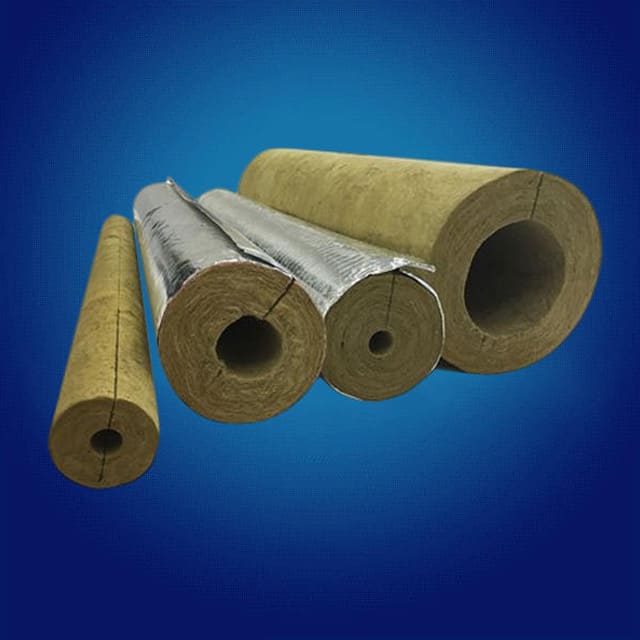
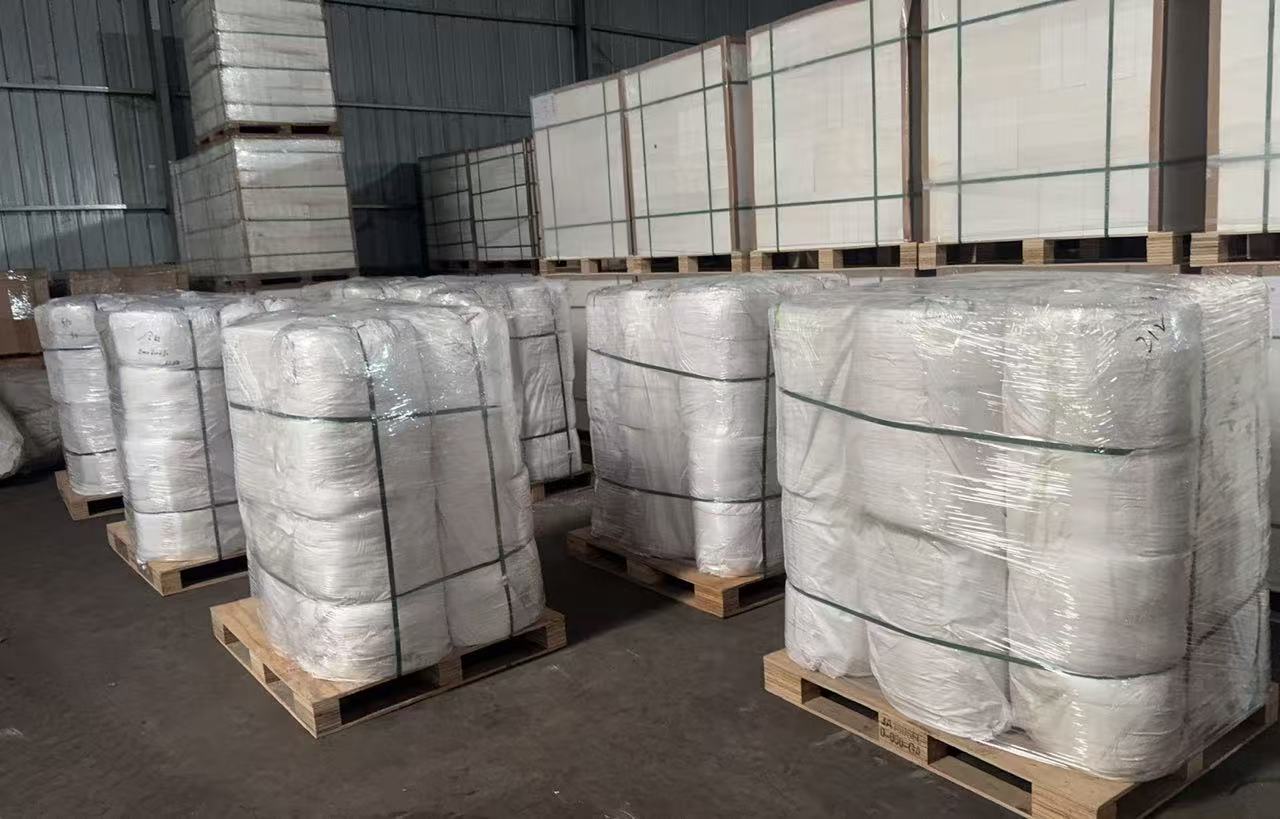
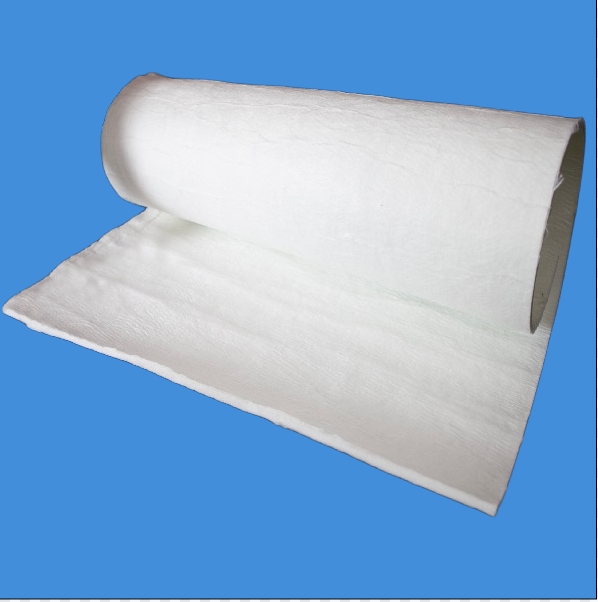
What is aluminum foil rock wool pipe shell? Aluminum foil rock wool pipe shell is an integrated product composed of rock wool pipe shell (prefabricated tubular insulation material) and aluminum foil veneer. It combines the excellent thermal insulation performance of rock wool with the moisture-proof, waterproof, heat reflective, and aesthetic protection functions of aluminum foil. When choosing aluminum foil rock wool pipe shell, it is necessary to comprehensively consider factors such as usage environment, medium temperature, fire prevention requirements, moisture-proof requirements, pipe diameter specifications, and cost. Flexible insulation materials widely used in HVAC, industrial pipelines, hot and cold water systems, and other fields; How to choose aluminum foil rock wool pipe shell?
1. Performance of rock wool pipe shell
The performance parameters of rock wool pipe shell include density, thermal conductivity, operating temperature, hydrophobicity, slag ball content, etc; 2. Aluminum foil layer selection
Ordinary smooth aluminum foil
Embossed aluminum foil
Laminated aluminum foil (glass fiber reinforced)
Double-sided aluminum foil 3. Thickness selection (insulation layer thickness)
Determine according to the economic thickness law or anti condensation requirements. 4. Pipe diameter and number of sections
DN15- DN100: usually two semicircles (2 pieces)
DN125-DN300: Three or four pieces for easy installation
Irregular parts (elbows, tees): It is recommended to use prefabricated parts to avoid on-site joint leakage and heat leakage
How to choose aluminum foil rock wool pipe shell? Aluminum foil rock wool pipe shell is an integrated solution for insulation and fire prevention of medium and low temperature pipelines with mature technology, reliable performance, and high cost-effectiveness. The secret to its successful application lies in the fact that rock wool provides the core insulation and fire barrier, while aluminum foil provides the crucial "protective shell", ensuring the long-term effectiveness of the insulation system. When selecting and installing, it is essential to pay attention to temperature limits and the sealing quality of joints, as this is the core of ensuring their service life and energy-saving effect.