How to classify the insulation effect level of power plant insulation nanofiber board?
Release Time: 2026-04-17
Share:
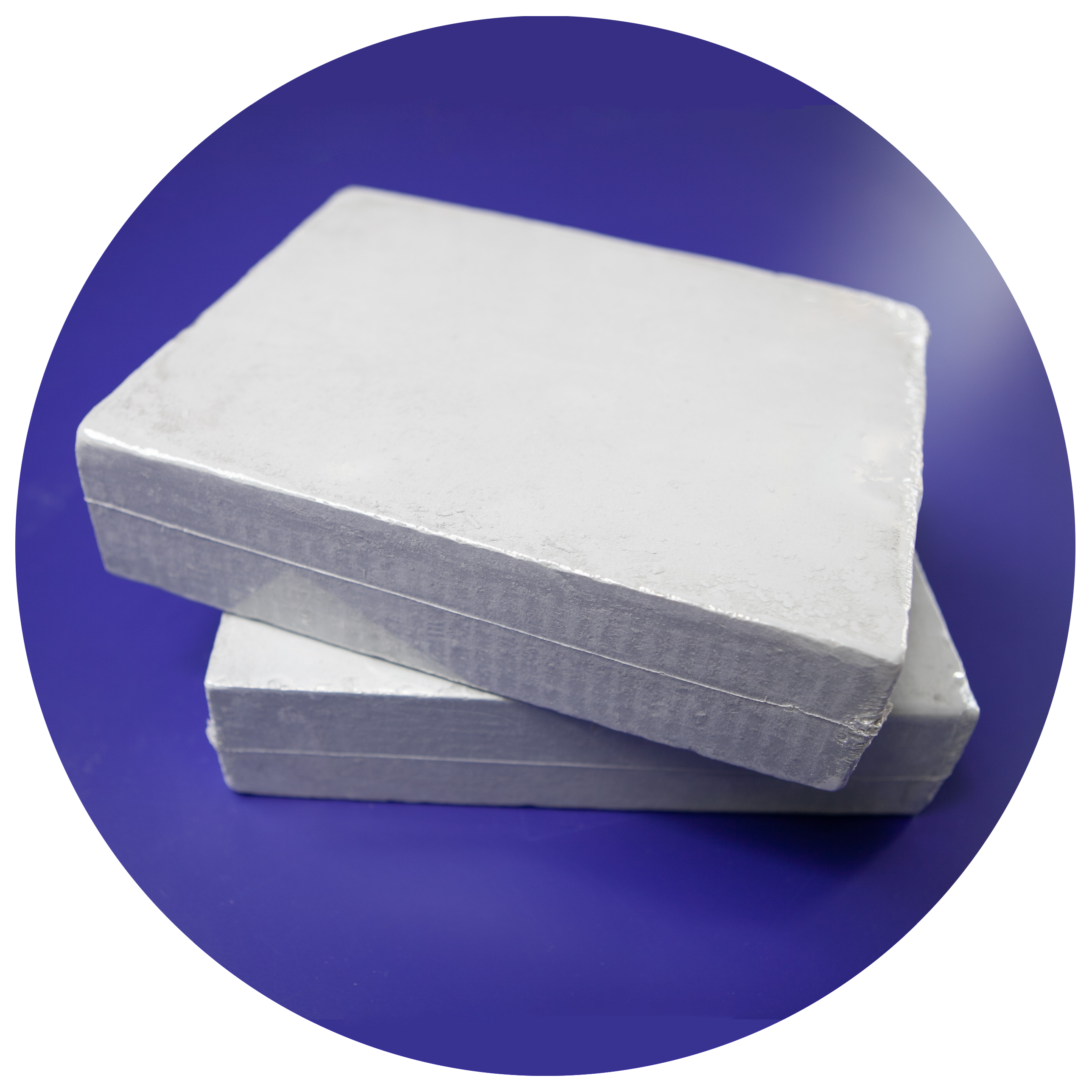
How to classify the insulation effect level of power plant insulation nanofiber board? The classification of insulation effect levels for nanofiber boards is mainly based on thermal conductivity, temperature resistance, insulation performance multiples, and comprehensive application effects; There is no mandatory "official rating" for the insulation effect of nanofiber boards (usually referring to nano insulation boards), but in the industry, we usually distinguish their performance levels based on their core performance indicators: thermal conductivity and temperature resistance level.
In industrial and engineering applications, its "grade" is mainly divided by thermal conductivity, temperature resistance limit, and performance in application scenarios. The core indicator is that at a specific temperature, the lower the thermal conductivity, the higher the insulation level. Rosewool Insulation Refractory Co.,Ltd. can provide you with a full range of nano insulation boards from 850 ℃ to 1050 ℃, with a stable thermal conductivity between 0.022-0.032 W/(m · K), meeting the precise needs of different industrial equipment. We not only provide products, but also offer professional selection recommendations and thermal calculations based on your specific working conditions. Choosing the "grade" of the nano insulation board is essentially a process of matching the operating temperature and energy-saving goals. 1. First, check the temperature: Ensure that the maximum operating temperature of the selected product is higher than the actual operating temperature of your device (it is recommended to leave a safety margin of 50-100 ℃). If the temperature exceeds 1050 ℃, solutions such as composite ceramic fiber boards need to be considered. 2. Looking at insulation requirements again: within the allowable temperature range, the lower the thermal conductivity, the better the energy-saving effect and the shorter the investment return period. For high-efficiency and energy-saving renovations at high temperatures (<1000 ℃), high-quality nano boards are the preferred choice. 3. Consider cost-effectiveness: comprehensively compare material costs and long-term energy-saving benefits while meeting requirements.
How to classify the insulation effect level of power plant insulation nanofiber board? The different matrix materials determine the maximum temperature that the nanoboard can withstand, which is also the key "grade" for selection. Choosing Rosewool Insulation Refractory Co.,Ltd. as the supplier of thermal insulation nanofiber boards for power plants has significant advantages. We have advanced production processes and mature technologies to ensure that the nanofiber board has ultra-low thermal conductivity, excellent temperature resistance, and long-lasting insulation effect, effectively reducing power plant energy consumption. In addition, the manufacturer provides customized services and can flexibly adjust product specifications according to the actual needs of the power plant. A well-established pre-sales and after-sales team can respond to needs and solve problems in a timely manner, providing comprehensive support for power plant insulation projects.