Root Cause Solution for Turbine Surface Layer Peeling and SCR Insulation Gap Overtemperature During Power Plant Overhaul
Release Time: 2026-11-24
Share:
At the end of the year, the concentrated overhaul of power units will take place. Flaking and peeling of turbine insulation layers, as well as excessive temperature in insulation gaps of the SCR denitrification area, are frequent pain points in thermal power plant zones. Turbines endure prolonged continuous vibration and thermal cycling from startups and shutdowns, while SCR reactors and flues face gas erosion and thermal expansion displacement. Simple repairs only address symptoms rather than root causes, necessitating simultaneous solutions in material selection, structural design, and construction techniques. Rosewool Insulation Refractory Co.,Ltd. can provide a complete insulation system solution tailored to power plant operating conditions.
The peeling and falling off of the turbine surface layer is primarily caused by insufficient vibration and thermal shock resistance of ordinary surface materials, contraction of insulation base materials, non-standard installation of stainless steel mesh, and lack of expansion release joints. During major overhauls, the failed surface layer must be completely removed, and damp or loose insulation cleaned. A new stainless steel reinforcement mesh should be installed with overlapping sections not less than 50mm, positioned at the middle of the surface layer. Expansion gaps must be reserved at cylinder flanges, corners, and supports to release thermal stress.
Insulation base materials should prioritize Rosewool Insulation Refractory Co.,Ltd.Ceramic Fiber PLUS blankets, which offer high tensile strength and low thermal shrinkage, suitable for high-frequency vibration conditions in high and medium-pressure cylinders. For critical points, nanocellulose aerogel blankets can be layered to reduce insulation thickness while minimizing heat loss. Ordinary perlite surface materials are abandoned in favor of Rosewool Insulation Refractory Co.,Ltd. turbine-specific modified fiber surface materials, applied in thin layers with division joints filled with flexible high-temperature sealant. Cold-state construction and thorough curing are required, followed by the application of a waterproof sealing layer to resist condensation and oil seepage, effectively eliminating peeling, hollowing, and detachment from the source.
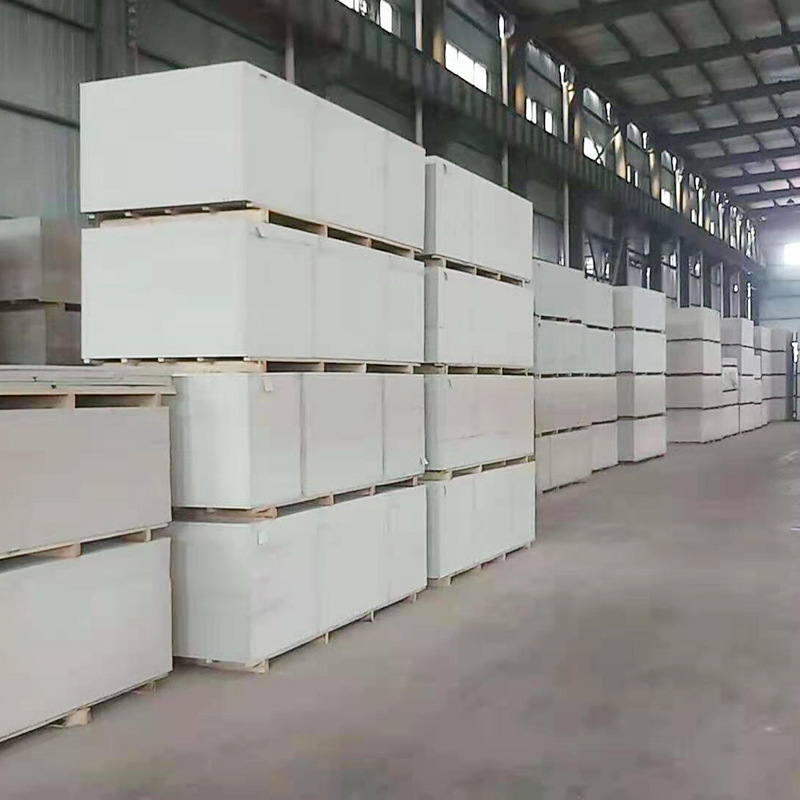
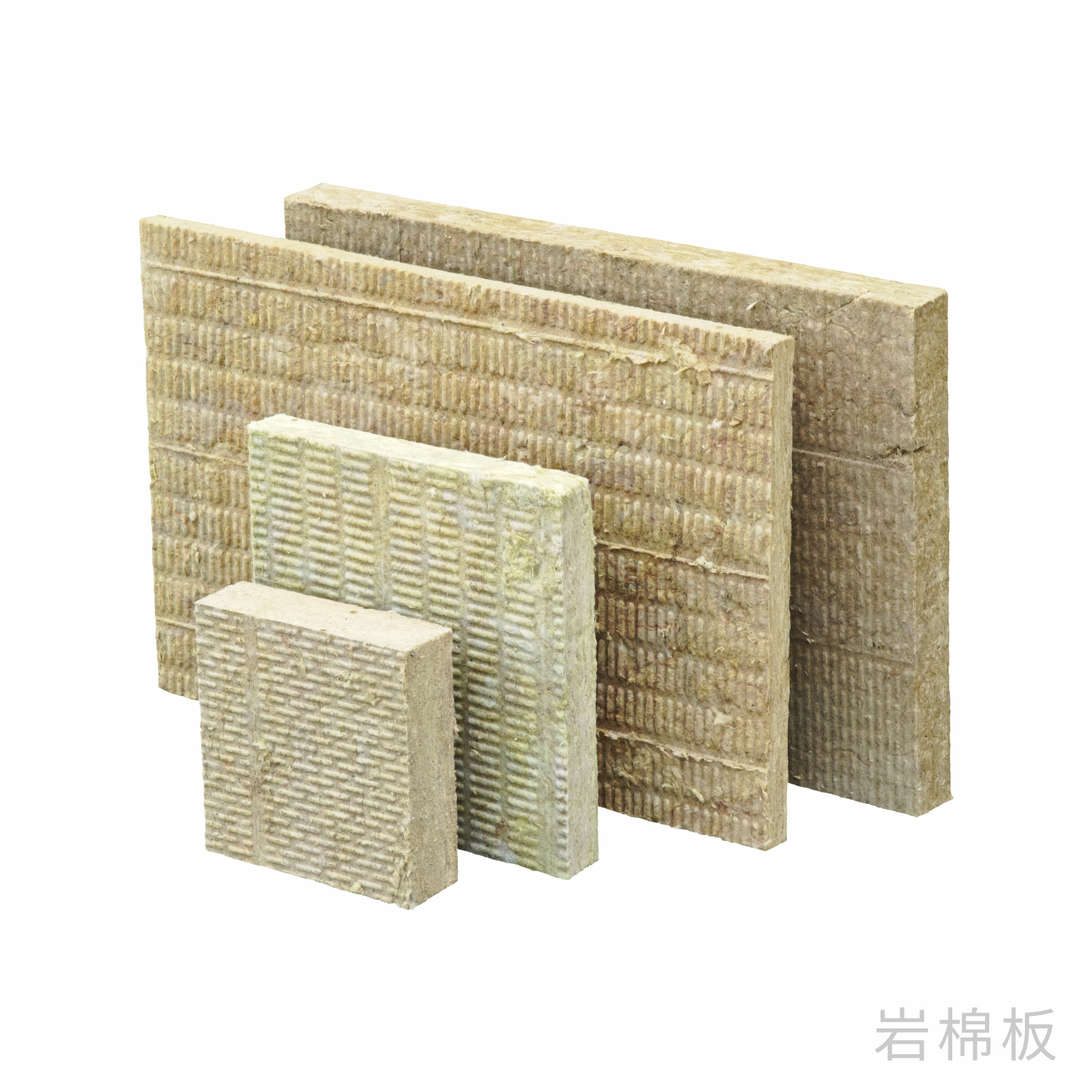
The SCR denitrification area experienced excessive temperature in gaps, primarily concentrated at the reactor flanges, flue expansion joints, sootblower interfaces, and lap joints. Thermal bridging leakage not only caused the outer wall temperature to exceed limits but also impacted the denitrification reaction temperature, increasing energy consumption. The core of governance is to eliminate hard joint gaps and adopt a flexible insulation and sealing system. For main insulation, Rosewool Insulation Refractory Co.,Ltd. high-density hydrophobic rock wool panels or ceramic fiber boards are selected, suitable for 300–420°C denitrification conditions, resistant to flue gas erosion and less prone to powdering or settling. For seams, expansion joints, and irregular gaps, ceramic fiber ropes and high-temperature flexible sealants are used for filling to prevent rigid panels from separating due to thermal expansion, forming leakage channels. For overheated hot spot areas, locally composite nano aerogel blankets can be applied, flexibly following deformation without long-term gap cracking. The entire insulation system strictly adheres to DL/T power insulation standards, with post-completion infrared temperature testing for re-inspection to ensure stable control of outer wall temperature compliance.
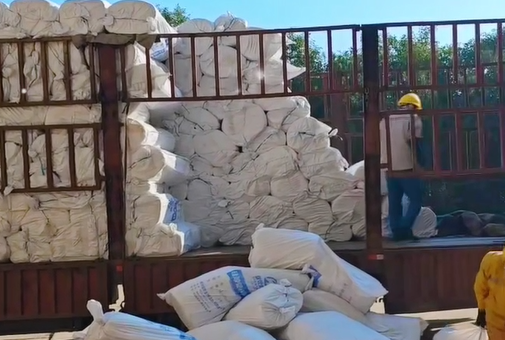
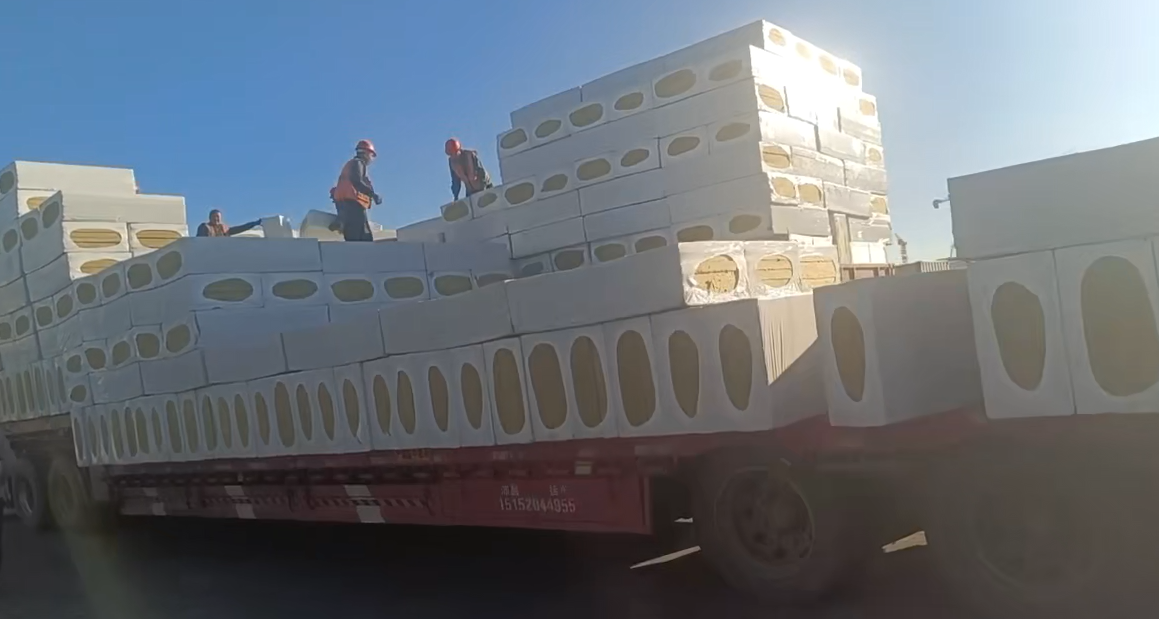
Rosewool Insulation Refractory Co.,Ltd. specializes in power plant insulation and refractory solutions, producing a full range of ceramic fiber PLUS blankets, hydrophobic rock wool, nano aerogel blankets, specialized turbine surfacing materials, and high-temperature sealing accessories. These products are tailored for various applications including turbine bodies, steam guide pipes, SCR denitrification systems, and flues. Offering integrated services from material supply to technical briefings and joint node planning, the company supports bulk supply for power plant overhauls with guaranteed stock availability, stable material parameters, and outstanding vibration resistance, temperature tolerance, and thermal shock resistance. This helps resolve insulation hotspots and surfacing detachment issues in one go during plant overhauls, reduces unit energy consumption, and ensures long-term safe and stable operation.