Analysis of Infrared Temperature Measurement Overheating Parts in Power Plant Steam Turbine and Insulation Material Solution
Release Time: 2026-11-23
Share:
Infrared temperature measurement is an important means of monitoring the insulation condition of equipment during the operation of power plants. As the core thermal equipment, once insulation failure occurs in the cylinder body, pipelines, and ancillary components of the steam turbine, infrared temperature measurement will show local or large-scale overheating, which not only causes energy loss, but also may lead to equipment corrosion and personnel burns. Rosewool Insulation Refractory Co.,Ltd. combines years of engineering practice to systematically sort out common overheating parts of steam turbines and corresponding insulation solutions for you. What are the common locations of overheating in infrared temperature measurement of steam turbines?
Part 1: High and medium pressure cylinder body, upper and lower cylinders, and flange joint surface
The temperature of the steam turbine cylinder body can reach 540-570 ℃, making it a high-risk area for infrared temperature measurement overheating. Especially at the split flange, due to the dense bolts and complex shape, the insulation layer is difficult to tightly adhere, which can easily form gaps and thermal bridges. Once the insulation layer settles or becomes hollow, the surface temperature of the cylinder body can exceed 100 ℃, and in severe cases, it can even reach over 200 ℃.
Part 2: Main steam valve, regulating steam valve and steam guide pipe of the steam turbine
Valves and steam pipes have irregular shapes, making traditional insulation materials difficult to construct. There are often problems such as inadequate wrapping and insufficient staggered joints. The insulation layer of the valve is prone to loosening and falling off under frequent operation and vibration, resulting in surface temperature exceeding the standard.
Part 3: Steam turbine end seal and shaft seal area
The space here is narrow, the thickness of the insulation layer is limited, and there is shaft vibration. Ordinary insulation materials are difficult to maintain integrity in this area for a long time, and are prone to cracking and falling off due to vibration, forming local high temperature points.
Part 4: Welding seams between cylinders and pipelines, and thermal bridges between supports and hangers
The welds at the connection between the pipeline and the cylinder body, as well as the roots of the supports and hangers, directly penetrate the insulation layer to form a thermal bridge. Infrared temperature measurement shows obvious point or strip high temperatures, which are easily overlooked weak links in insulation construction.
The deep-seated reasons for the use of insulation materials in power plants to measure temperature and exceed the limit
The root cause of overheating in the above-mentioned areas is the settlement and detachment of the insulation layer, the opening of joints, the aging and powdering of materials, and the inadequate wrapping of irregular parts. The steam turbine vibrates greatly and starts and stops frequently. During long-term operation, the fiber structure of ordinary ceramic fiber blanket becomes loose, the rebound rate decreases, the insulation layer gradually collapses, and the coating layer cracks. Heat is directly conducted from the crack to the shell.
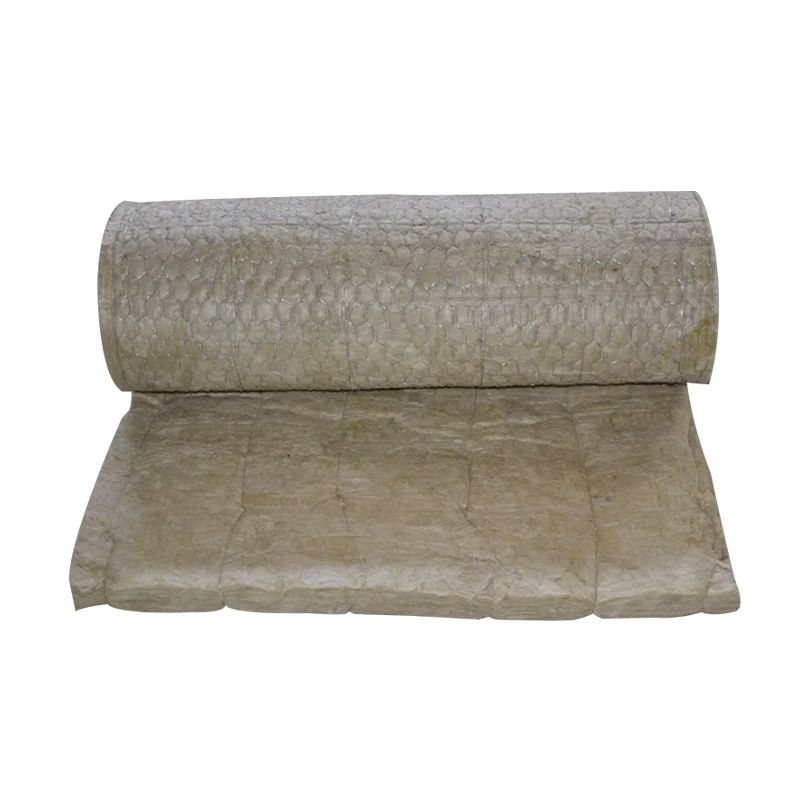
Rosewool Insulation Refractory Co.,Ltd. Solution recommends the following material combinations for different parts of the steam turbine to achieve precise management: High and medium pressure cylinder body and flange joint surface - PLUS blanket+high-temperature plastering material
PLUS blanket is an upgraded product developed specifically for high vibration and high temperature working conditions:
Tensile strength ≥ 110KPa (more than 3 times that of ordinary blankets), no tearing or falling under vibration environment
Rebound rate ≥ 85%, rapid recovery after compression, and long-term non collapse of insulation layer
Slag ball content ≤ 5%, pure fiber, no powdering at high temperature, life extended by 2-3 times
Cooperate with high-temperature plastering material (temperature resistance ≥ 600 ℃, bonding strength ≥ 0.15MPa), apply in two times, with good crack resistance and adaptability to thermal expansion of cylinder body
Valve, steam pipe and other irregular parts - ceramic fiber blanket+ceramic fiber rope
Ceramic fiber blanket is flexible and easy to cut, and can tightly wrap around complex shapes such as valves and elbows; Ceramic fiber rope is used for flexible sealing of gaps such as flanges and valve stems, with a temperature resistance of 1000-1260 ℃, compensating for thermal displacement and preventing hot gas leakage from gaps.
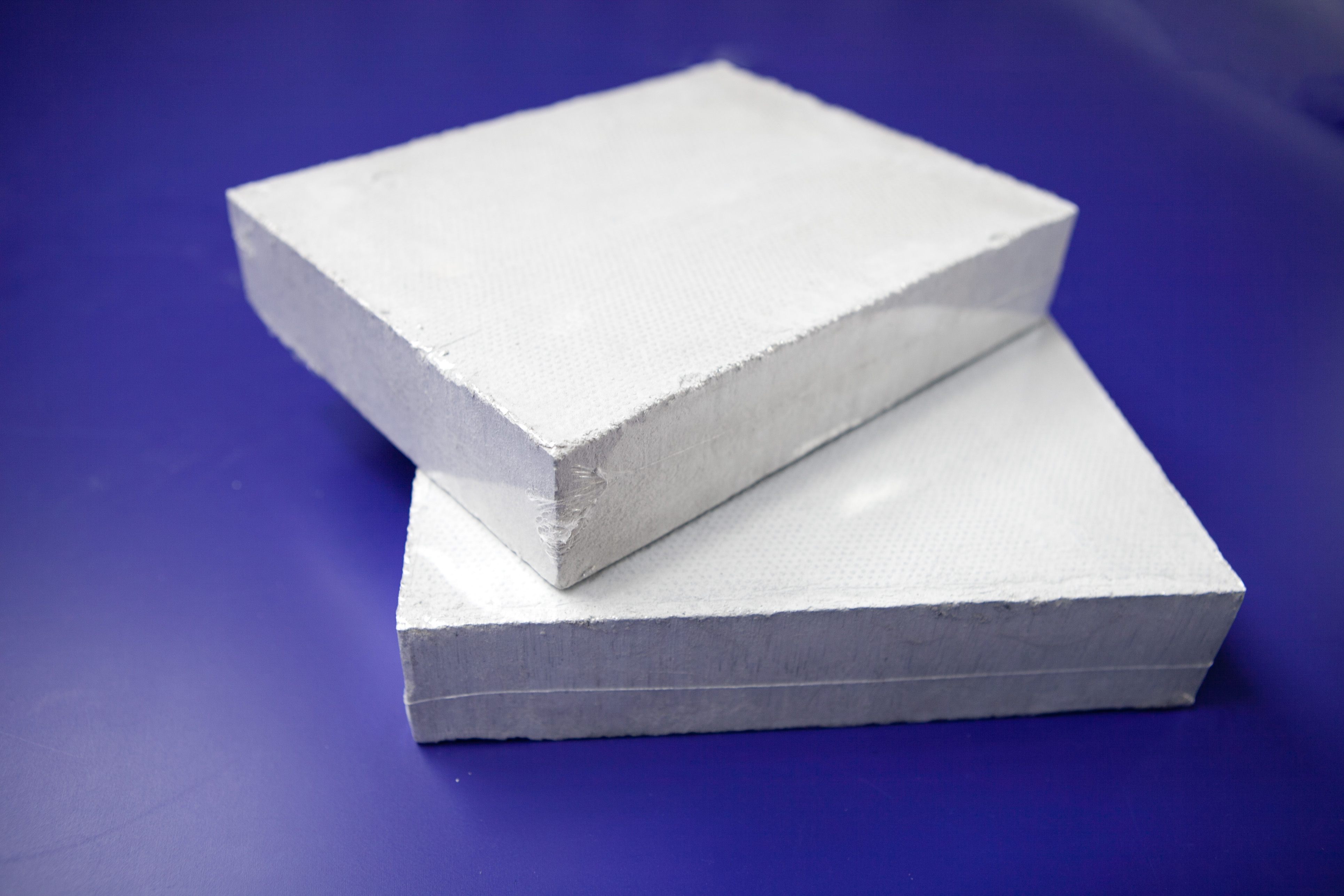
The thermal conductivity of the nano insulation board is only 1/3-1/5 of that of traditional materials, and the thickness of the same insulation effect is reduced by more than 50%. It is particularly suitable for gas seal areas with limited space, and its lightweight characteristics will not increase the burden on the shaft system.
Support and hanger thermal bridge - high-density PLUS blanket insulation gasket
Cut the high-density PLUS blanket into gaskets and install them between the support hanger and the pipeline to block the metal thermal bridge. Infrared temperature measurement can significantly eliminate point like high temperatures.
Analysis and insulation material solution for infrared temperature measurement and overheating parts of power plant steam turbines? The root cause of overheating in the infrared temperature measurement of the steam turbine is the settlement of the insulation layer, the opening of joints, and the inadequate wrapping of irregular parts. Using PLUS blanket to solve settlement problems, combined with ceramic fiber rope to seal gaps, nano insulation board to deal with narrow areas, and high-temperature plastering materials to enhance crack resistance, can fundamentally eliminate overheating points.