How to use ceramic fiber modules for insulation and fire resistance in factories?
Release Time: 2025-12-12
Share:
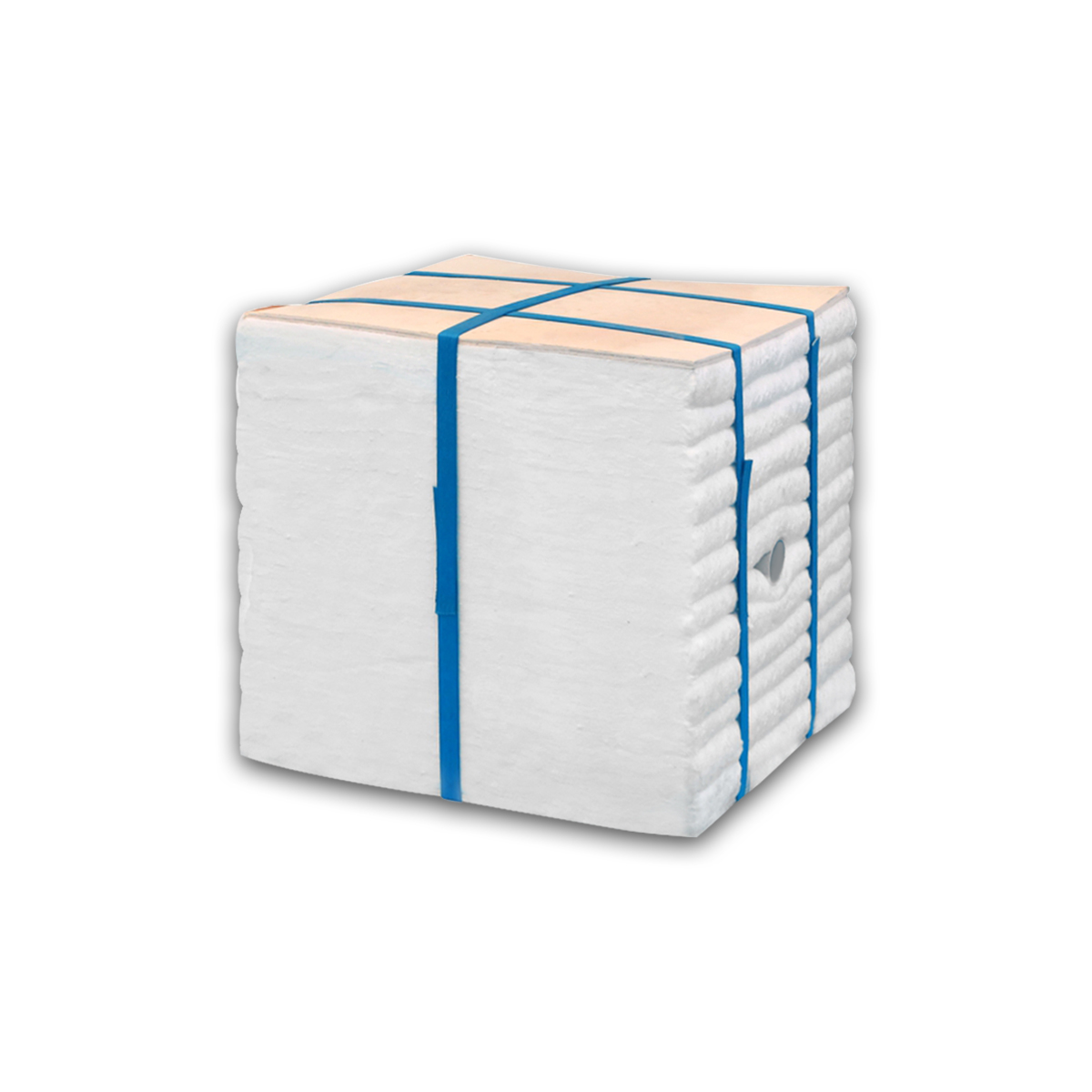
How to use ceramic fiber modules for insulation and fire resistance in factories? Ceramic fiber modules are prefabricated core materials for factory industrial kilns and high-temperature equipment insulation and fire resistance. With the characteristics of pre compression molding, easy installation, and strong insulation, they are suitable for various high-temperature working conditions. Ceramic fiber modules replace traditional heavy refractory materials to simplify construction, improve overall integrity, and achieve energy-saving effects. How to use ceramic fiber modules for insulation and fire resistance in factories?
1. Construction of refractory insulation for the main body of the kiln lining
Before construction, anchor components should be welded onto the steel structure of the furnace wall and roof. Ceramic fiber modules should be embedded into the anchor components one by one and fixed, with expansion joints reserved between modules to compensate for volume changes at high temperatures. After installation, it can form a seamless insulation lining, which can withstand high temperatures inside the kiln (long-term temperature resistance can reach 1000-1400 ℃), and greatly reduce the heat loss of the furnace body. It is suitable for various industrial kilns in metallurgy, building materials, chemical and other industries. 2. Local fire resistance protection for high-temperature equipment
For the irregular parts of high-temperature equipment such as hot air stoves, cracking furnaces, boilers, etc. in factories (such as furnace mouths and flue corners), ceramic fiber modules of corresponding sizes can be customized, cut and installed on the surface of the equipment to resist flame erosion and high-temperature corrosion, protecting the structure of the equipment from high-temperature damage. 3. Thermal insulation of pipelines and valves
For the flanges, valves, and other parts of high-temperature steam and hot oil pipelines in factories that are prone to heat leakage, small ceramic fiber modules can be wrapped around them and fixed with metal shells to achieve precise local insulation, reduce heat loss, and lower the temperature of the outer wall of the pipeline, thereby improving the safety of workshop operations.
Standardized installation steps for ceramic fiber modules 1. Preliminary preparation and layout positioning
Before construction, clean up the oil stains, rust, and debris on the surface of the steel structure of the kiln body. According to the module size and kiln lining design drawings, mark the welding position of the anchor on the steel structure with a line to ensure even spacing (usually matching the module size, about 300-400mm). At the same time, check the appearance of the module and remove products that are damaged or have a rebound rate that does not meet the standards. 2. Anchor welding fixation
According to the marking, weld the dedicated heat-resistant anchor vertically onto the steel structure of the furnace wall and roof. During welding, ensure that the anchor is firm and not loose, and the weld seam is full and free of virtual welding. The length of the anchor should be adjusted according to the thickness of the module to ensure that it can be effectively fixed after installation. 3. Module embedding and fixation
Align the reserved anchor holes of the ceramic fiber module with the anchors on the steel structure, insert them smoothly, and gently press them to ensure that the module fits tightly against the surface of the steel structure. A 5-10mm expansion joint should be reserved between adjacent modules to compensate for volume expansion under high temperature conditions. Then install the pressure plate and nut, tighten and fix them to prevent the module from falling off. 4. Gap treatment between modules
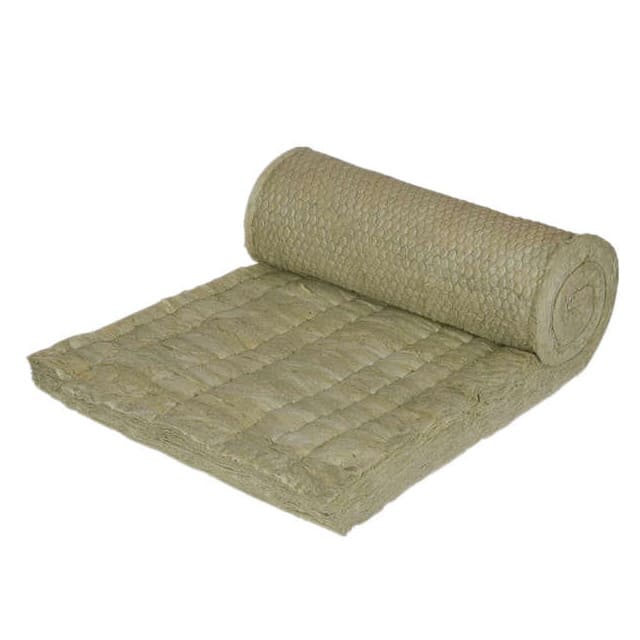
After the installation of the entire furnace wall or roof module is completed, fill the expansion joints between the modules with ceramic fiber blankets or ceramic fiber cotton strips to ensure that there are no gaps in the inner lining, forming a complete insulation sealing layer to prevent high-temperature flue gas leakage and cold air infiltration. 5. Surface finishing and acceptance
Check the flatness and firmness of the module installation, and adjust the protruding or loose parts. Finally, clean up the remaining fiber debris from the construction, complete the acceptance of the lining construction, and then put it into use in the oven.
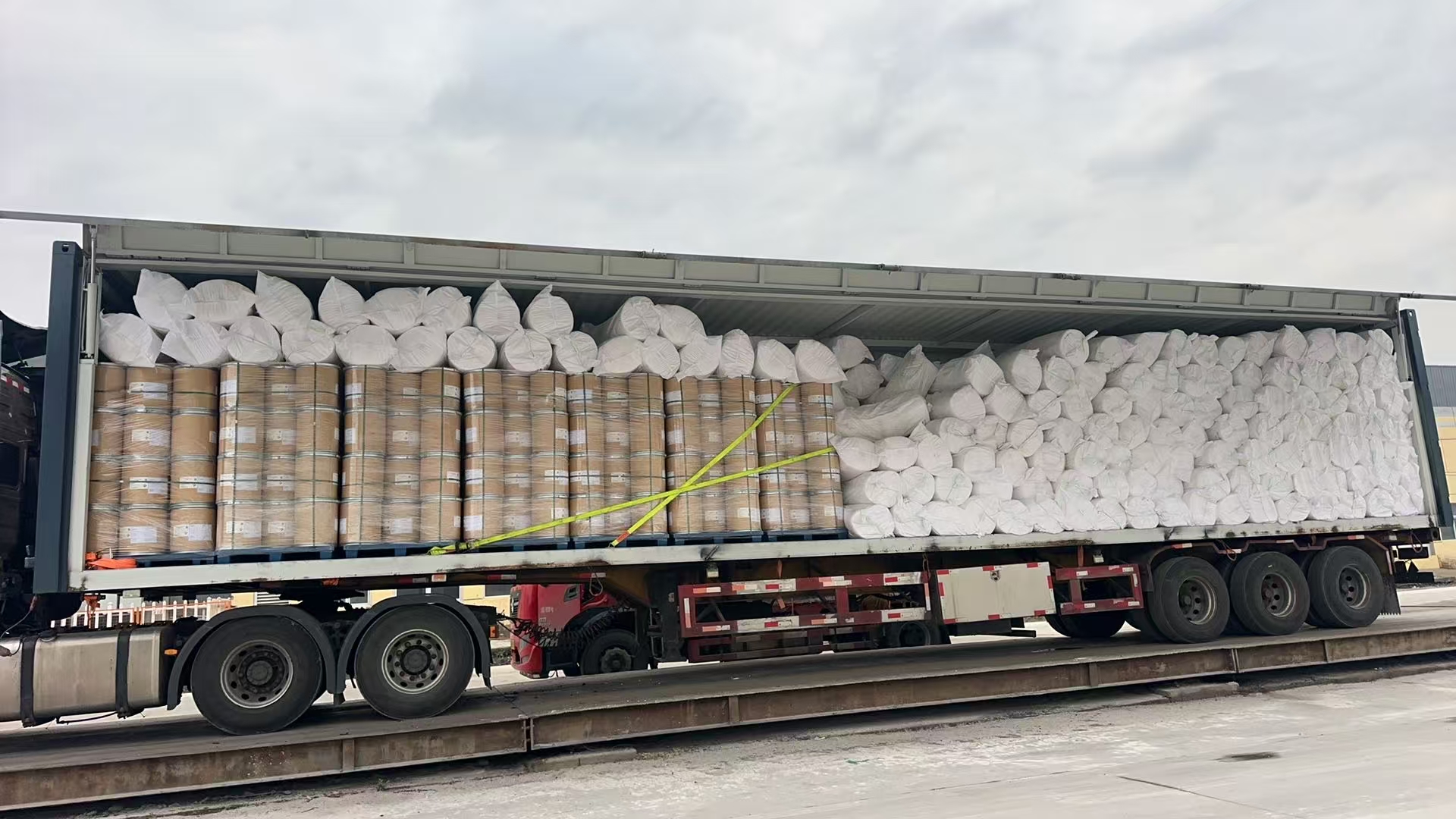
How to use ceramic fiber modules for insulation and fire resistance in factories? The ceramic fiber module of Rosewool Insulation Refractory Co.,Ltd adopts high-density compression technology, with high rebound rate and strong thermal shock resistance. It supports customized production and international shipment, and is suitable for various high-temperature insulation and refractory needs of factories. For a detailed understanding of the functional effects and pricing parameters of ceramic fiber modules, you can click on our online personnel consultation or call our hotline, where professional personnel will provide you with one-on-one communication; Company phone: 13674954566;