What are the common factors causing cracking and chipping of the coating layer on power plant steam turbines?
Release Time: 2026-11-18
Share:
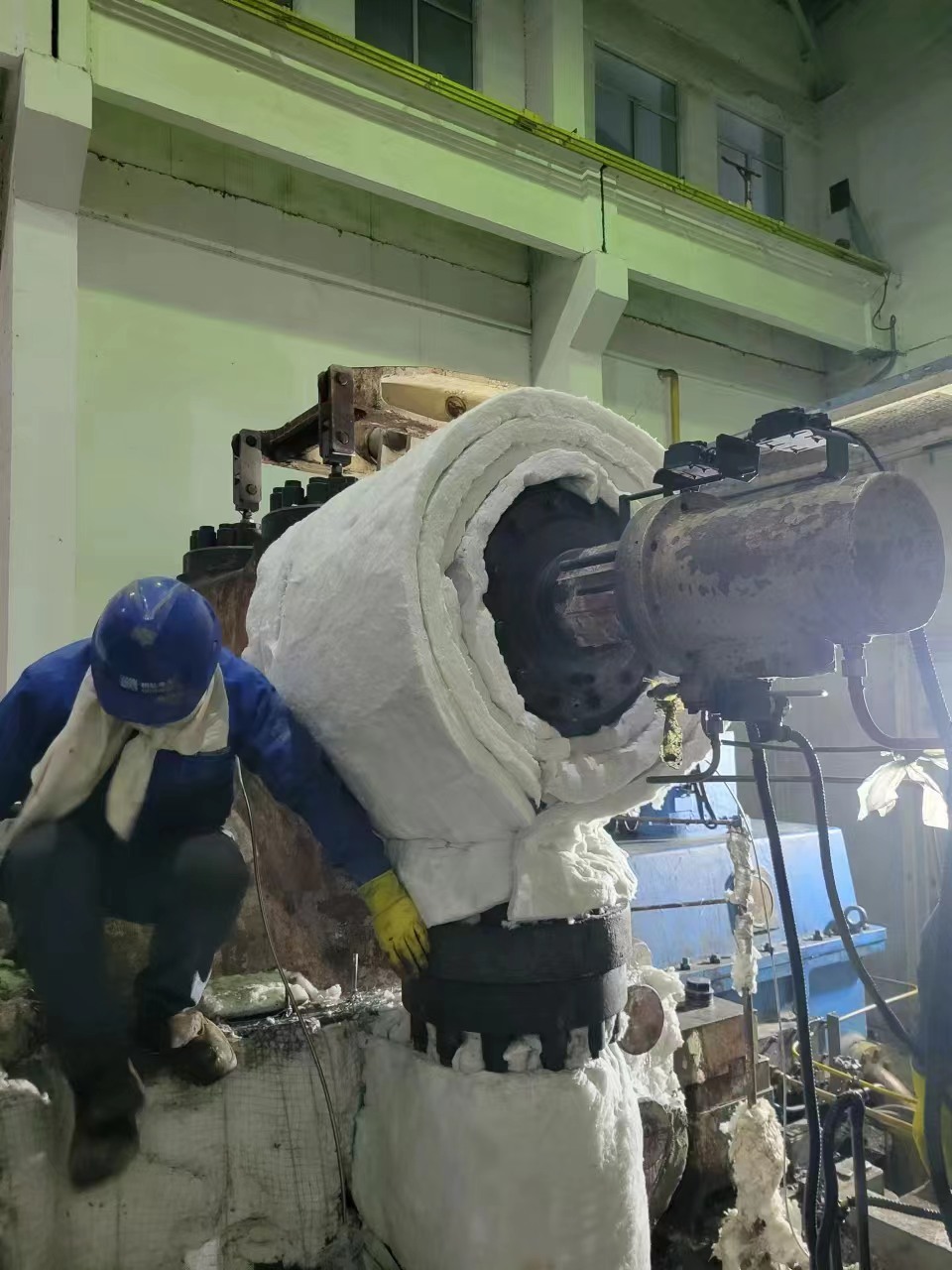
Cracking and chipping of the coating layer are common quality issues in the insulation engineering of power plant steam turbines. The high temperature (540-570 ℃), large vibration, and frequent start stop of the steam turbine cylinder require extremely strict requirements for the insulation structure and coating layer. Once the plaster layer cracks and falls off, it not only causes the shell to overheat and heat to dissipate, but also exposes the internal insulation layer to moisture, accelerating equipment corrosion. Rosewool Insulation Refractory Co.,Ltd. combines years of power plant engineering practice to systematically analyze cracking factors and provide targeted solutions for you. Five major factors causing cracking and chipping of the steam turbine coating layer
Factor 1: Settlement and deformation of insulation layer materials
The insulation of steam turbine cylinder body is usually made of soft materials such as ceramic fiber blanket. Under long-term high temperature and vibration, the fiber structure of ordinary ceramic fiber blankets gradually becomes loose and the volume shrinks, leading to settlement and detachment of the insulation layer. After losing internal support, the plaster layer cracks and eventually falls off due to its own weight and vibration.
Factor 2: Mismatch of thermal expansion between insulation layer and plaster layer
When the steam turbine starts and stops, the cylinder body temperature rises from room temperature to above 540 ℃, and the thermal expansion is significant. If the high-temperature shrinkage rate of the insulation layer material is high, while the rigidity of the plaster layer is too strong and the flexibility is insufficient, a large shear stress will be generated between the two, and the plaster layer will be torn.
Factor 3: Vibration Fatigue Damage
During the operation of the steam turbine, the rotor rotates at high speed and the cylinder body continuously experiences high-frequency vibration. If the bonding strength of the plaster layer is insufficient or the crack resistance is poor, fatigue cracks may occur under long-term vibration, and the crack propagation may lead to block like detachment.
Factor 4: Insufficient performance of the plastering material itself
Traditional plastering materials use Portland cement as the binder and expanded perlite as the aggregate, with limited bonding strength and large shrinkage during the drying process, which can easily lead to dry shrinkage cracks. In high temperature and vibration environments, this type of coating has a short lifespan, usually showing significant cracking within 1-2 years.
Factor 5: Construction process defects
Construction problems such as excessive thickness of the plaster layer at once, lack of layered construction, inadequate maintenance, improper reservation of expansion joints, and uneven laying of wire mesh can directly lead to cracking of the plaster layer. Targeted solutions and material recommendations for different factors causing block loss
1. Settlement of insulation layer
Choose insulation blankets with high tensile strength, good rebound rate, and low shrinkage PLUS blanket (tensile strength ≥ 110KPa, rebound ≥ 85%, slag ball ≤ 5%)
2. Mismatch in thermal expansion
The plastering layer should have flexibility, and the insulation layer should have low shrinkage
PLUS blanket+high-performance plaster material
3. Vibration fatigue
Anti vibration insulation layer and anti crack coating layer PLUS blanket+stainless steel wire mesh reinforcement
4. Insufficient performance of plastering material
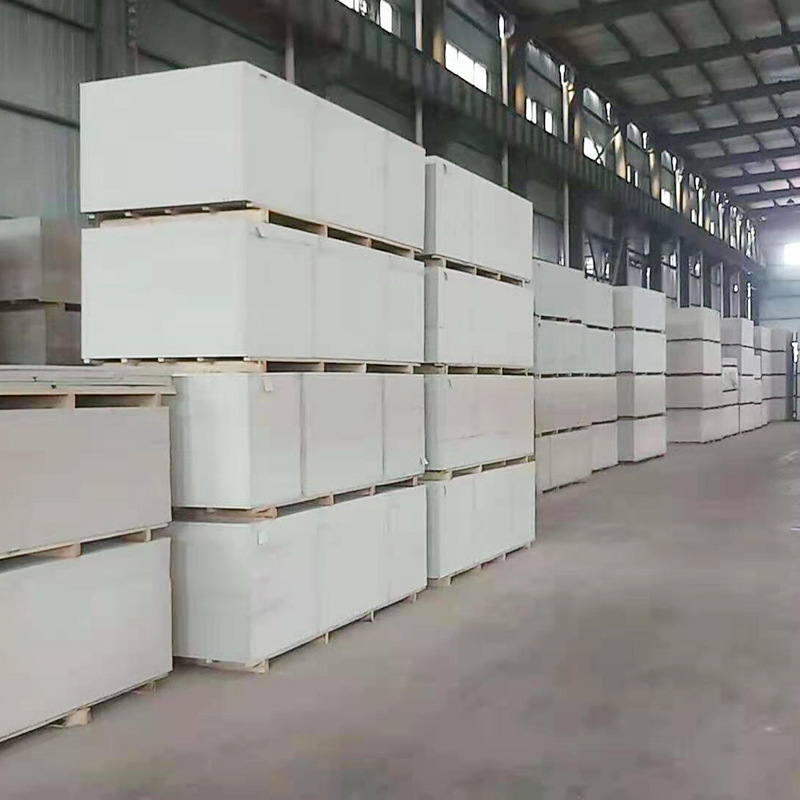
Select specialized high-temperature plastering materials
High temperature plastering material (temperature resistance ≥ 600 ℃, bonding strength ≥ 0.15MPa)
5. Construction defects
Standardized construction, layered application, and reserved expansion joints
Ceramic fiber rope for joint filling and construction guidance
What are the common factors causing cracking and chipping of the coating layer on power plant steam turbines? The cracking and falling of the steam turbine coating layer are caused by the combined effects of "insulation layer settlement+thermal expansion mismatch+vibration fatigue+insufficient material properties+construction defects". Choosing PLUS blanket to solve the problem of insulation layer settlement, combined with high-performance plastering materials and standardized construction, can fundamentally extend the service life of the plastering layer.