What are the main reasons for the failure of insulation materials in power plants? What types of insulation materials are used in power plants?
Release Time: 2026-10-22
Share:
What are the main reasons for the failure of insulation materials in power plants? What types of insulation materials are used in power plants? Among the core causes of insulation material failure in power plants, moisture is the main reason for failure, and shrinkage cracking and vibration detachment are common accompanying manifestations. Wind erosion only accounts for a low proportion in unprotected outdoor areas.
The actual impact weight of insulation material failure factors in power plants:
Moisture (the first killer): The thermal conductivity of water is 23 times that of still air. Once insulation materials are filled with water, their thermal conductivity will soar, and the fiber structure will be damaged. In the low-temperature environment of the north, water freezing will also break the pores of the material, causing pulverization and detachment. The most common failure trigger point for outdoor pipelines and valves in power plants is the infiltration of rainwater and condensation after the outer protective layer seal is damaged.
Shrinkage cracking: It is a result of long-term cold and hot cycle fatigue. When the unit starts and stops, the temperature repeatedly alternates, and the insulation layer continues to expand and shrink. Calcium silicate and hard insulation materials will gradually develop gaps and layers, which often occur in the long-term operation parts of the boiler body and high-temperature steam pipelines.
Vibration detachment: concentrated in strong vibration areas such as the steam turbine body and the inlet and outlet of the fan. If the binding density is insufficient or the anchor is loose during construction, the insulation layer will shift, hollow or even fall off as a whole under long-term vibration, which is a typical failure mode under local working conditions.
Wind erosion: It only occurs on the surface of loose fiber insulation layer in the open air without metal outer protective layer. Long term wind blowing will blow away the surface fibers, causing local thinning. It accounts for a very low proportion of overall failure cases in power plants and is not the mainstream cause of failure.
Core application areas of insulation materials for power plants:
Boiler system: Covering the furnace membrane wall, furnace top, steam drum, flue, burner and other parts, commonly using materials such as aluminum silicate fiber, rock wool board, microporous calcium silicate, etc., to reduce furnace heat loss and lower the surface temperature of the outer wall of the furnace body.
Thermal pipeline system: main steam pipeline, reheat pipeline, high and low temperature water supply pipeline, valves, flanges and other special parts, aluminum silicate fiber blanket for high temperature section above 300 ℃, high temperature glass wool for low temperature section below 300 ℃, and nano aerogel materials are also widely used in recent years to achieve thinning and efficiency improvement.
Steam turbine generator set: The steam turbine cylinder body, steam header, and shaft seal system are equipped with aluminum silicate fiber felt and composite silicate insulation layer, which not only reduces radiation heat loss but also avoids burns during personnel operation and inspection.
Smoke and auxiliary equipment: flues, air ducts, electrostatic precipitators, desulfurization and denitrification devices, various tank bodies and storage tanks, often using hydrophobic rock wool and glass wool boards to prevent smoke condensation and corrosion, ensuring that the operating temperature of dust removal and denitrification equipment meets the standard.
Power plant boilers, pipelines SCR、 The steam turbine and other parts are subjected to high temperature conditions for a long time, which requires extremely high temperature resistance and stability of insulation materials. Rosewool Insulation Refractory Co.,Ltd. has been deeply cultivating insulation and refractory materials for more than 40 years, and its products cover the full range of needs in power plants.
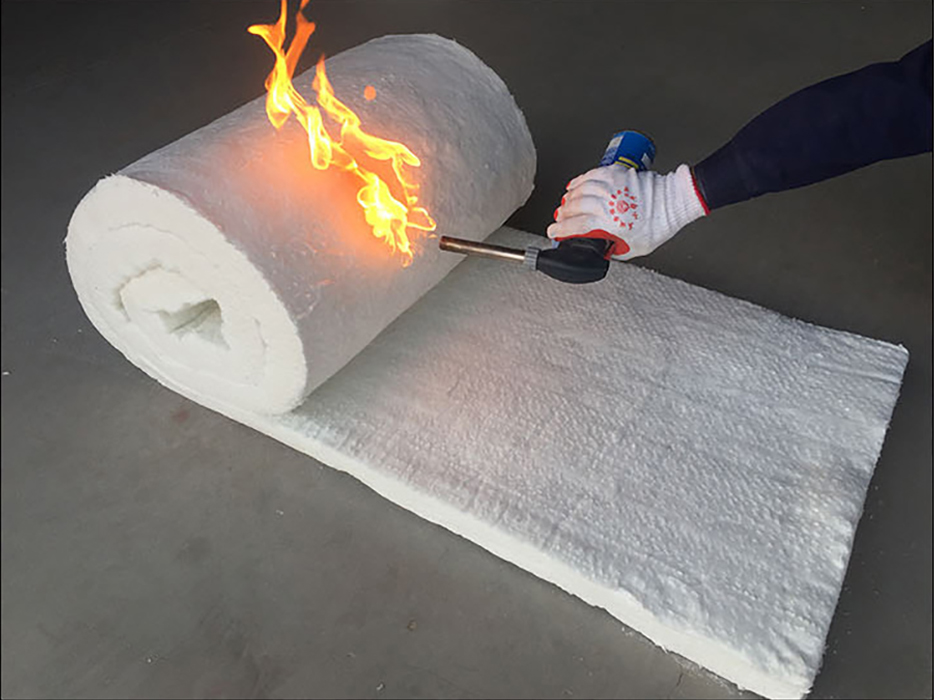
Ceramic fiber blanket/PLUS blanket - resistant to temperatures of 1050-1430 ℃, with low slag ball content and high tensile strength, suitable for boiler walls, flues, and hot air ducts, resistant to thermal shock and cracking.
Calcium silicate board/shell - resistant to temperature of 1000 ℃, high strength, low thermal conductivity, suitable for load-bearing parts such as main steam pipelines and boiler headers.
Nano thermal insulation board - with a thermal conductivity coefficient of only 1/3-1/5 of traditional materials, it is used in space limited areas such as turbine cylinders and high-temperature valves.
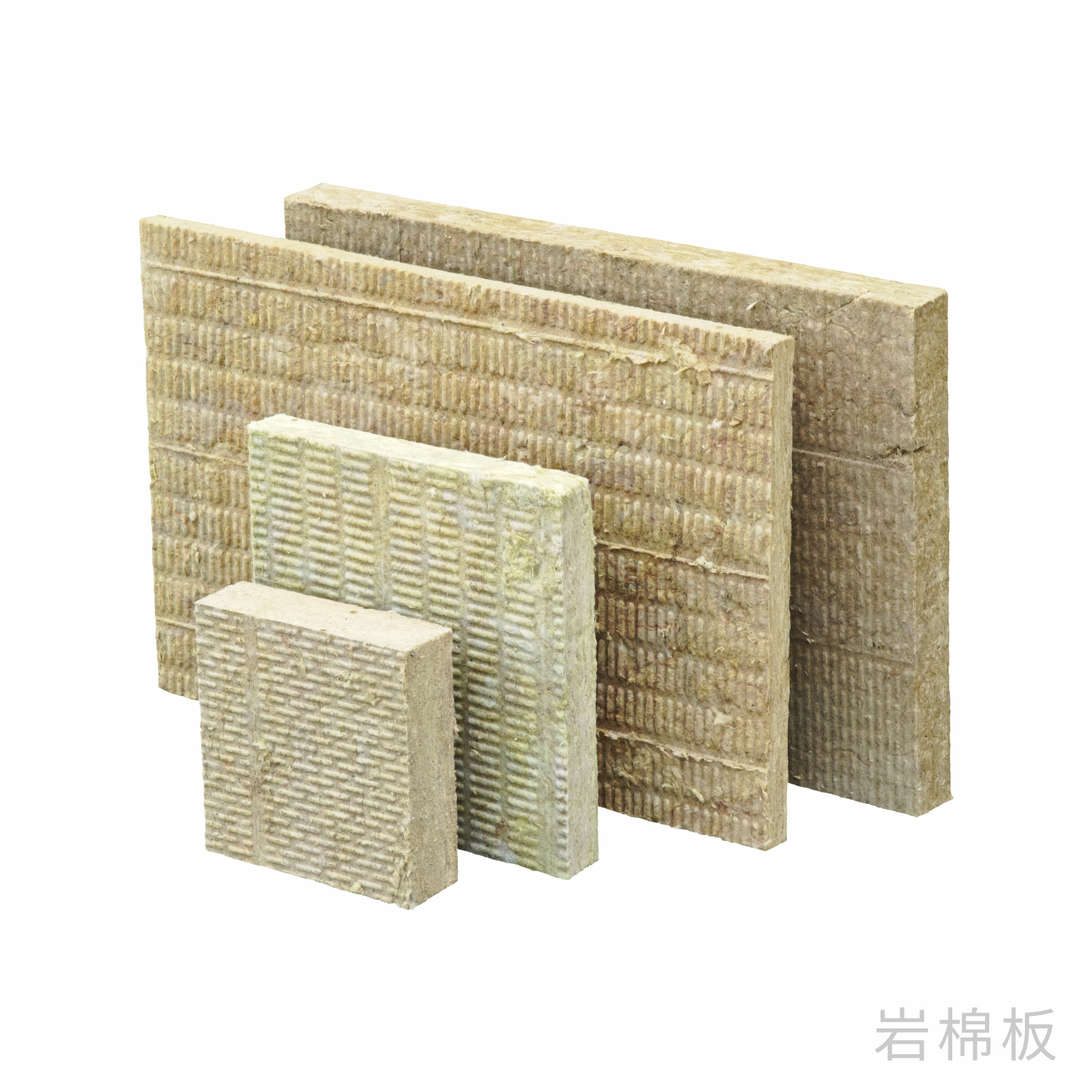
Rock wool/glass wool- Class A fireproof, hydrophobic and moisture-proof, used in medium and low temperature areas such as electrostatic precipitators and auxiliary pipelines.
Rosewool Insulation Refractory Co.,Ltd. manufacturer's insulation material products have passed ISO9001 certification; Our products are exported to more than 80 countries and regions, serving large power enterprises such as Huaneng and Huadian; Standard specifications can be shipped within 72 hours, providing full process technical support from selection, thermal calculation to installation guidance.