What insulation material was used before the overheating parts of the operating equipment in the power plant?
Release Time: 2026-10-19
Share:
Common overheating areas in power plant operating equipment (mainly in thermal power plants, divided into main body, pipelines, valves, and auxiliary equipment, all of which are prone to insulation failure and surface overheating hotspots); 1、 Steam turbine area (most prone to insulation hotspots and high vibration)
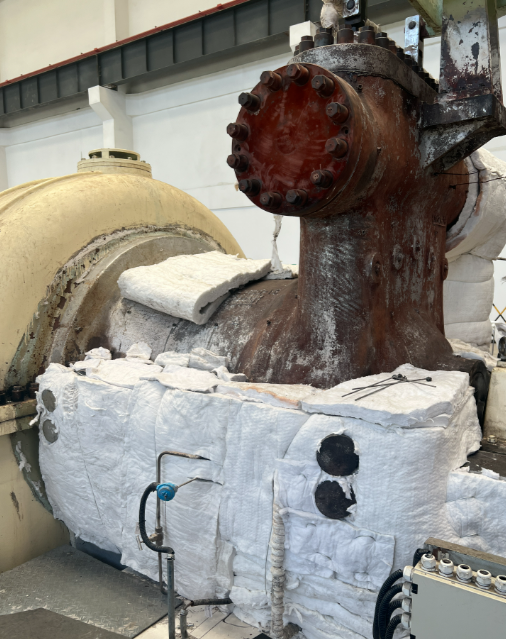
1. "Turbine body": High pressure cylinder, intermediate pressure cylinder body, upper and lower cylinders, and split surface (flange surface); Cylinder head and exhaust port; The top of the SAIC cylinder has a large temperature difference between start and stop, and the insulation is easy to detach, which is a typical overheating point.
2. "Steam turbine connecting pipe": The steam guide pipe between the high and medium pressure cylinders has many bends and large thermal displacement, and the insulation joint is easy to open.
3. "Cylinder flange and bolt position": The structure of the flange bolt is uneven, and the old aluminum silicate insulation filling is not solid, which makes it most prone to local heat dissipation. Many power plants have found hot spots in the flange bolt during temperature measurement.
4. "Steam turbine exhaust pipe, body support and hanger": The insulation of the support and hanger positions is squeezed or broken, forming hot spots.
2、 Main steam/reheat steam piping system (high temperature and high pressure)
1. "Main steam, reheated steam, cold/hot section pipe elbows, tees": irregular structure, multiple insulation joints, repeated thermal expansion and contraction, and easy cracking.
2. "Root of pipeline support and hanger, pipe support position": Pipeline vibration+displacement, insulation is crushed and disconnected at this point, and a large number of hot spots are concentrated on the pipe support.
3. "Large and small head, reducer", variable diameter position.
3、 Valves and flanges (located in high temperature areas of power plants, accounting for more than half of the hot spots on site)
4、 Boiler side high-temperature operation/circulation components What are the types of insulation materials used in power plants?
1. "Aluminum silicate fiber (ceramic fiber blanket/board/module)": replaces asbestos and becomes the "mainstream high-temperature insulation" for steam turbines, main reheat pipelines, boiler headers, and SCR high-temperature areas. It has a long-term use temperature of 1000 ℃ and is made of flexible fiber blanket, making construction convenient; Shortcomings: Long term vibration and thermal cycling can cause "settlement, delamination, shrinkage cracking", and local overheating is most likely to occur in valve, elbow, and support positions, which is the most common substrate for "old insulation overheating" that many power plants need to address.
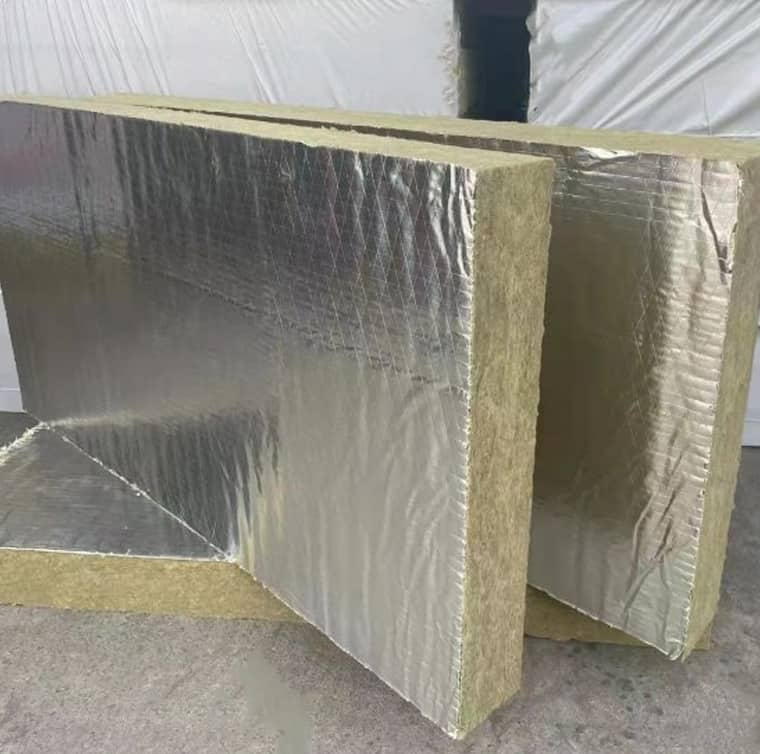
2. "rock wool (rock wool)": Medium and high temperature auxiliary equipment, medium and low pressure pipelines (≤ 450 ℃), with lower temperature resistance than aluminum silicate, also have settlement problems.
3. "Ultra fine glass wool": generally used for low-temperature thermal pipelines below 300 ℃, which is prone to performance degradation under high-temperature conditions.
The overheating hotspots in power plants are concentrated in "turbine cylinder flanges, high-temperature valves and flanges, steam pipeline elbow tees, pipe supports and hangers, header heads, SCR flue expansion joints"; Before the renovation, the mainstream insulation was "aluminum silicate fiber blanket+microporous calcium silicate composite structure";
Rosewool Insulation Refractory Co.,Ltd. PLUS ceramic fiber blanket is recommended for vibration and overheating parts such as turbine cylinders, flanges, high-temperature valves, and steam pipe elbows in power plants. The product has been fully upgraded on the basis of traditional aluminum silicate blanket, with a temperature resistance of up to 1260 ℃, lower slag ball content, high tensile strength, and excellent rebound performance. It is not easy to pulverize or shrink and settle under long-term high temperature conditions. Flexible materials are suitable for irregular and complex structures such as cylinder surfaces, flanges, and valve bodies. They are resistant to vibration and thermal cycling, effectively suppressing local hotspots and reducing heat dissipation losses. Cutting without burrs, convenient on-site construction, suitable for high-temperature composite insulation structures in power plants, greatly extending the service life of insulation. The material is asbestos free, safe and environmentally friendly, and has been stably applied in multiple power plant insulation projects. It is an ideal insulation lining material for high-temperature operation equipment in power plants.