What are the reasons for the temperature of the equipment shell in the thermal power plant exceeding the design value
Release Time: 2026-10-12
Share:
What are the reasons for the temperature of the equipment shell in the thermal power plant exceeding the design value, causing local overheating, and infrared temperature measurement exceeding the standard? Thermal power plants generally refer to "pipelines, valves, turbine bodies, heaters, headers, furnace bodies, flue gas ducts", etc. The designed outer wall temperature is usually the temperature of the outer surface of the insulation layer (not the temperature of the metal base material), and the vast majority is "insulation failure", with a few being abnormal body structure/medium. Rosewool Insulation Refractory Co.,Ltd. has been committed to the research, development, production, and sales of industrial insulation materials for over 40 years. Today, Rosewool Insulation Refractory Co.,Ltd.'s editor will introduce to you the reasons for exceeding the temperature measurement standards of power plant casings; Reason 1: Damage to the insulation system
1. "Insulation layer missing/falling off, sinking, cracking"
Aluminum silicate, rock wool, microporous calcium silicate, nano air gel and other insulation blocks are loose, and the joints are pulled apart. Long term vibration (pump, fan, pipe vibration) causes the insulation to slide down, and local bare metal base materials; The high-temperature medium directly transfers heat to the shell, causing the infrared temperature to soar.
-Typical: Valve flanges, elbows, support and hanger roots, manholes, expansion joints, these locations are the most difficult to fix for insulation and are high-risk areas. 2. "Insulation becomes ineffective due to moisture and water ingress"
Rainwater, condensate, and flushing water infiltrate into the insulation interior. The thermal conductivity of water is much higher than that of air, and the insulation ability of insulation materials decreases significantly after absorbing water; Before the water evaporates, the shell remains at a high temperature.
>Key points: under the roof, outdoor pipelines, turbine platform, heater area. 3. "Insufficient insulation thickness and reduced thickness during construction"
The insulation thickness was not in accordance with the drawings during installation, or was reduced during maintenance and replacement of insulation; The design is based on insulation of 150mm, but in reality only 80mm is used, and the external surface temperature naturally exceeds the standard. 4. The outer protective plate is damaged and the overlap is not tight
Aluminum/color steel outer protective plate cracks, rivets fall off, rainwater enters, and insulation is washed away by airflow; The metal of the outer protective plate itself conducts heat quickly, and there are local hotspots in the damaged area. 5. The insulation joints are not sealed or filled with soft insulation
Block insulation joints are left with gaps, and thermal bridges are directly connected to the outer surface, forming linear/point like high temperatures.
Reason 2: Thermal bridge effect (metal components directly conduct heat, which is a very typical local point high temperature)
Metal supports and hangers, fixed reinforcement plates, anchor nails, flange bolts, equipment reinforcement bars, "directly penetrate the insulation layer from the high-temperature base material and connect to the outer casing".
Metal has extremely strong thermal conductivity, forming a "metal thermal bridge" and appearing as a "point like small-scale high-temperature hotspot". There is a bright spot on the infrared image, and the surrounding insulation temperature is normal.
Reason 3: Abnormal device body/internal medium (rare, but high-risk)
1. "Internal medium overheating"
The temperature of the steam/flue gas medium is higher than the rated design value, such as main steam overheating, reheated steam overheating, and high furnace outlet flue gas temperature. The overall outer wall temperature rises synchronously, not at a single point, but over a large area.
Internal scaling, blockage, and abnormal heat exchange (heater/economizer)
Scaling inside the tube, deterioration of heat transfer, and increase in tube wall temperature; Ash accumulation and coking on the flue gas side, changes in thermal resistance, and an increase in shell temperature.
Internal lining refractory material damage (furnace body, flue)
The cracking and detachment of refractory castables/bricks inside the boiler furnace, flue, and cyclone tube, as well as the direct contact of high-temperature flue gas with the steel plate shell, result in extensive overheating of the shell, which is a major hazard and poses a risk of burning through.
4. "Medium leakage (internal/external leakage)"
-External leakage: Steam leaks out from flanges, welds, and valve gaps, spraying onto the inside of the insulation, causing the shell to rapidly heat up; Sometimes steam cannot be seen with the naked eye, only infrared can detect it.
-Internal leakage: High pressure and high temperature medium enters the interior of the low-pressure side shell (such as leakage of the heater bundle), and the shell is heated by the high temperature medium.
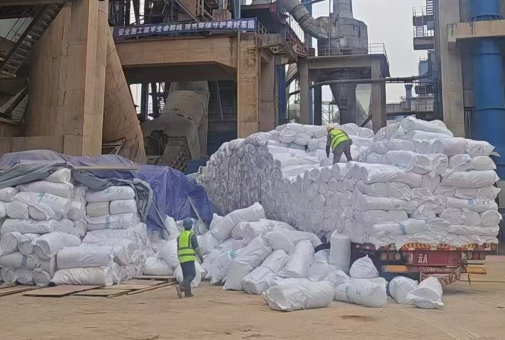
Rosewool Insulation Refractory Co.,Ltd. has been deeply involved in insulation refractory materials for more than 40 years, and its products cover the insulation needs of thermal power plants in all scenarios:
Ceramic fiber blanket/module - resistant to temperatures of 1050-1430 ℃, Class A non combustible, lightweight and flexible. Widely used for insulation of boiler walls, flues, hot air ducts, and turbine cylinders, it can effectively reduce heat loss, resist thermal shock, and prevent cracking.
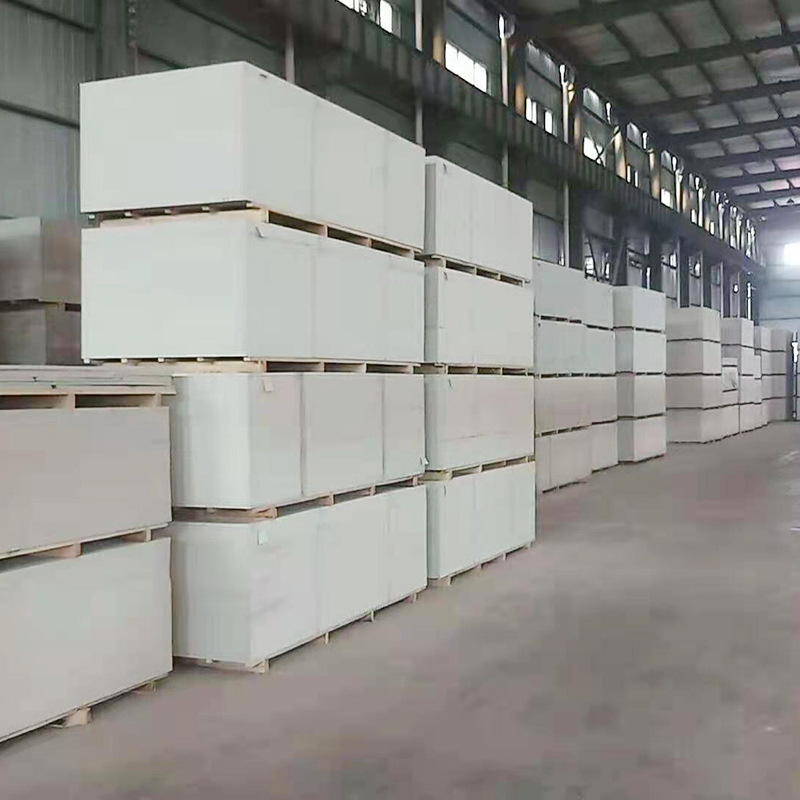
Calcium silicate board/tube shell - resistant to temperature of 1000 ℃, high strength, low thermal conductivity. Suitable for load-bearing parts such as main steam pipelines, reheat steam pipelines, boiler headers, etc., with stable dimensions at high temperatures and long service life.
Nano thermal insulation board - with a thermal conductivity only 1/3-1/5 of traditional materials, ultra-thin and efficient. Used for confined areas such as turbine cylinders and high-temperature valves, reducing the thickness of insulation by more than 50% with the same insulation effect.
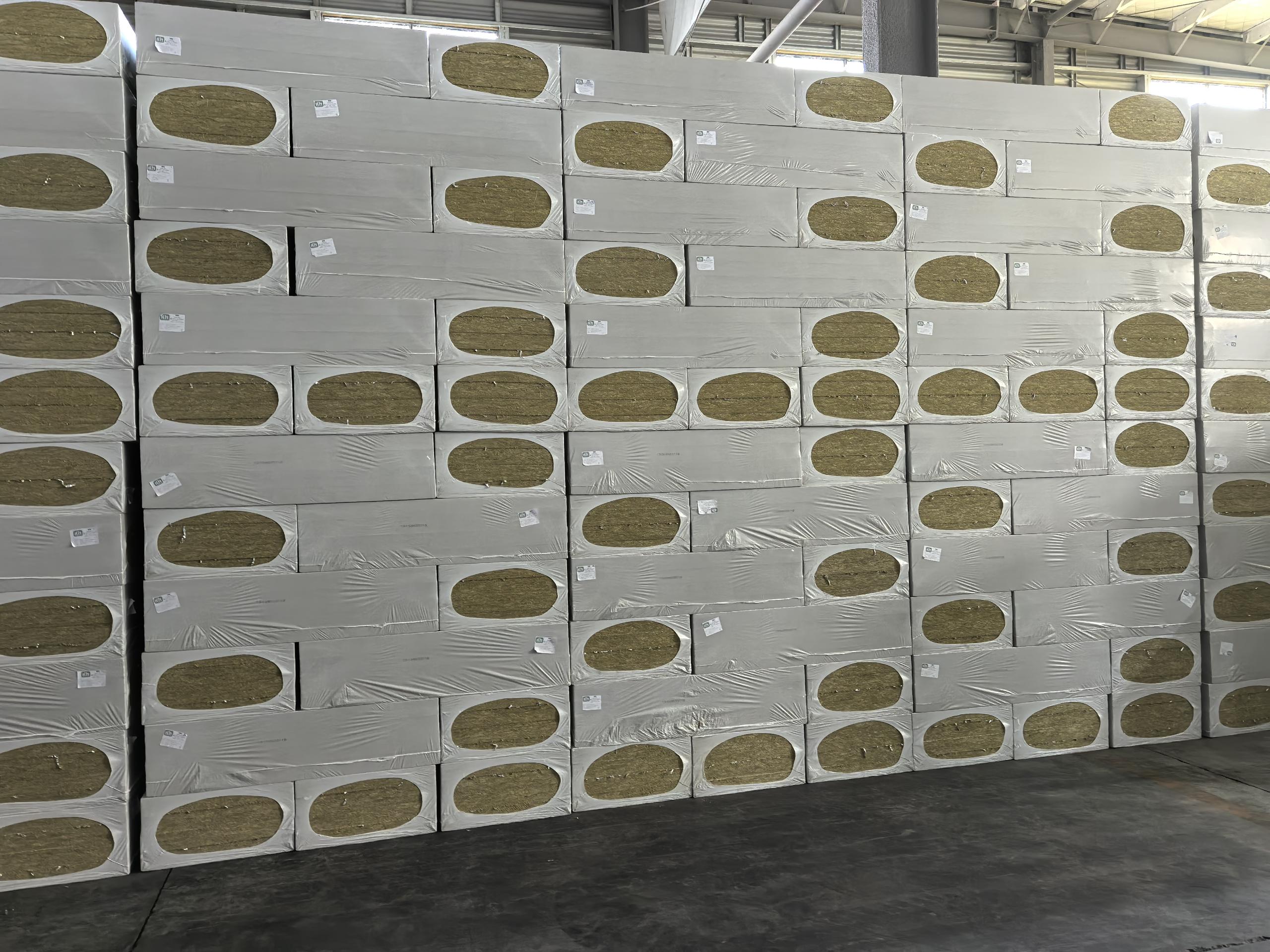
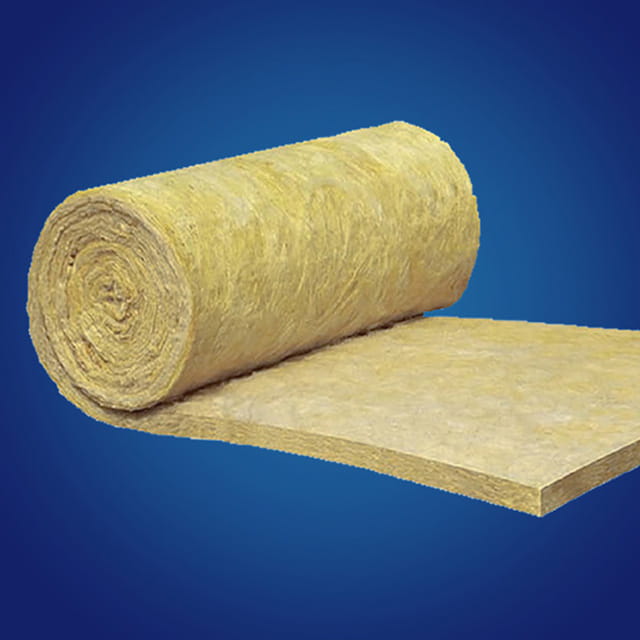
rock wool/glass wool products - Class A fireproof, hydrophobic and moisture-proof. Used in medium and low temperature areas such as electrostatic precipitators, flues, and auxiliary pipelines, with high cost-effectiveness.
The company produces 80000 cubic meters of ceramic fiber products and 35000 cubic meters of calcium silicate products annually, and has passed ISO9001 certification. The products have successfully served large power enterprises such as Huaneng and Huadian. Welcome to contact us anytime for selection suggestions and samples.