Rosewool Insulation Refractory Co.,Ltd.

Your Position: Home > About us > News > Industry Knowledge

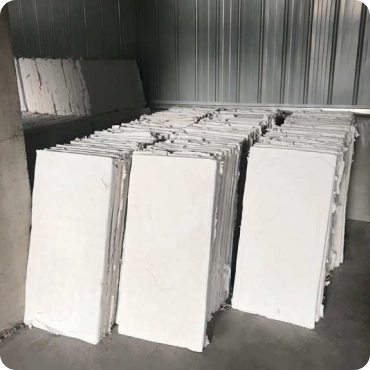
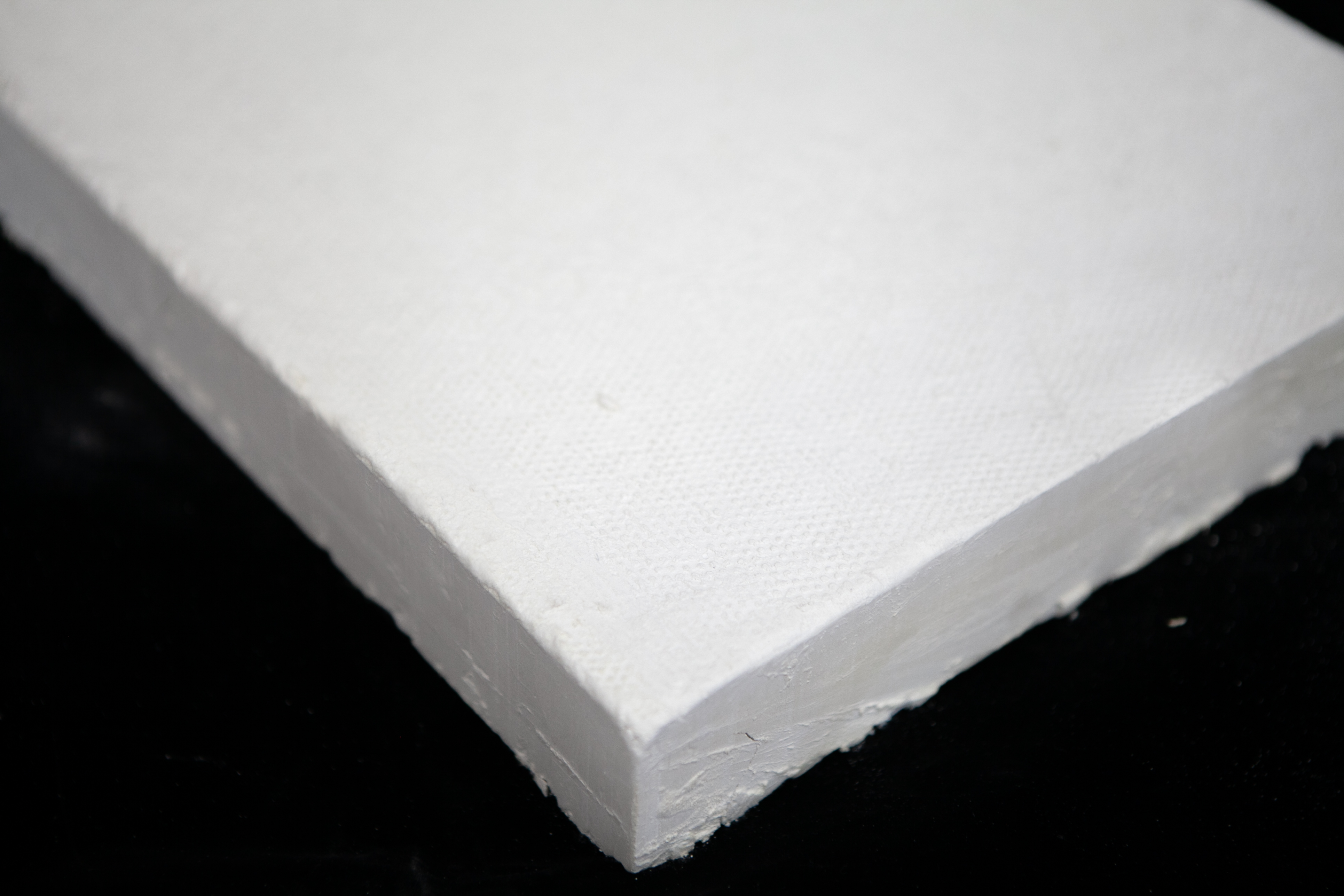
Aluminum plant electrolytic cell magnesia stone composite insulation board

Release Time: 2026-01-27
Share:
Aluminum plant electrolytic cell magnesia stone composite insulation board is a very specific and professional product, mainly used for energy-saving transformation in the aluminum electrolysis industry. Natural brucite is a hydrated magnesium hydroxide mineral. High performance, multi-layer composite insulation materials designed for aluminum electrolytic cells, especially at the bottom of the cathode. Its core component is light burned brucite powder made from natural brucite through processes such as crushing, beneficiation, and calcination, which is then compounded with other functional materials (such as refractory fibers, expanded perlite, etc.) and pressed into plate-like products. The core purpose of the magnesia stone composite insulation board is to minimize the heat loss of the electrolytic cell to the ground, thereby reducing energy consumption, stabilizing the thermal balance inside the cell, and extending the cell life.

Aluminum plant electrolytic cell brucite composite insulation board is a high-performance functional material that utilizes the characteristics of natural brucite and is scientifically compounded through material science. It is not just about "insulation", but also the "immune system" lining the electrolytic cell, actively resisting the destructive penetration of electrolytes through chemical reactions. Its wide application is one of the important technical supports for the development of the aluminum electrolysis industry towards high efficiency, energy conservation, and long service life.
                                                                            

Aluminum plant electrolytic cell magnesia stone composite insulation board:
  • High temperature resistance: Water magnesium stone composite insulation board has excellent high temperature resistance and a wide range of temperature applications. Some products can withstand high temperatures exceeding 1000 ℃ or even 1350 ℃, meeting the high temperature requirements of aluminum plant electrolytic cells for insulation materials.
  • Thermal insulation effect: This material has a low thermal conductivity, which can effectively prevent heat transfer, reduce the outer wall temperature of the electrolytic cell, improve current efficiency, thereby extending the service life of the electrolytic cell and saving energy and consumption.
  • Lightweight and High Strength: Magnesium stone composite insulation board usually has the characteristics of lightweight and high strength, which is easy to install and maintain, and can withstand certain pressure and impact.
  • Chemical stability: The material has stable chemical properties and is not easily reacted with substances inside the electrolytic cell, ensuring safety and reliability of use.
  • High dimensional accuracy: Some products have high dimensional accuracy, small deviation, and are easy to cut and shape, ensuring construction quality.

Technical Parameters

Product Category Composite Silicate Insulation Material
Shape Board
Size(mm) 1000*500*50;300*600*50,300*600*60
Core Material Rare Earth Cotton (Magnesium Silicate)
Working Temp. 600℃(1112℉)
Compression Strength (Mpa) 0.3
Flexural strength(Mpa) 0.3
Thermal conductivity(W/M.K) 0.0384
Slide Way Seal
low temperature bending 0.1
Color Grey
Softness Soft
Elongation at break 2


Where can I find a manufacturer of water magnesium stone composite insulation board for aluminum plant electrolytic cells? Rosewool Insulation Refractory Co.,Ltd. has technical strength, industry experience, and customization capabilities, making it an ideal partner for developing and supplying "water magnesium stone composite insulation board for aluminum plant electrolytic cells".



Also Read

Ceramic fiber cotton

Ceramic fiber cotton insulation refractory material

Ceramic fiber cotton insulation refractory material? Ceramic fiber cotton is a lightweight, high-temperature resistant, heat-insulating refractory material made primarily from aluminum silicate fibers through processes such as melting, fiberization, and cotton collection. It is known as the "thermal insulation expert" in industrial high-temperature scenarios.
View More >>
glass wool insulation

How to choose industrial glass wool insulation cotton? Rosewool Insulation Refractory Co.,Ltd: Choosing the right manufacturer saves costs and is more worry free

In the insulation engineering of industrial plants, the selection of glass wool insulation cotton is directly related to energy consumption control and long-term operating costs. Many companies first focus on the price of industrial glass wool insulation cotton when purchasing, but often overlook the performance differences and full lifecycle costs behind the price. Rosewool Insulation Refractory Co.,Ltd, as a leading manufacturer in the field of insulation and fire resistance, redefines the selection criteria for industrial glass wool with cost-effective products and customized services. ​
View More >>
nano aerogel felt

Thermal insulation performance of nano aerogel felt

Thermal insulation performance of nano aerogel felt? Industrial thermal insulation nano aerogel mat is a flexible thermal insulation material composed of nano aerogel and reinforced fiber substrate (such as glass fiber, ceramic fiber, pre oxidized fiber mat). Nano aerogel felt is one of the most excellent flexible thermal insulation materials in the world, known as "solid smoke" or "ultimate thermal insulation material". Its core is composed of a nano porous network structure of silicon dioxide (SiO ₂), with a porosity of up to 90% -99% and a pore size smaller than the average free path of air molecules (<70 nm), greatly suppressing the three heat transfer modes of heat conduction, convection, and radiation.
View More >>

Send Enquiry Now

sales@rosewool.com
+86 13674954566
+86 13674954566
Speak To Our Team
Name:
Country :
*Email:
*Phone/Whatsapp:
*Inquiry:
X