Rosewool Insulation Refractory Co.,Ltd.
Your Position: Home > About us > News > Industry Knowledge

1050 ℃ calcium silicate board with high-density insulation for tunnels

Release Time: 2026-04-23
Share:
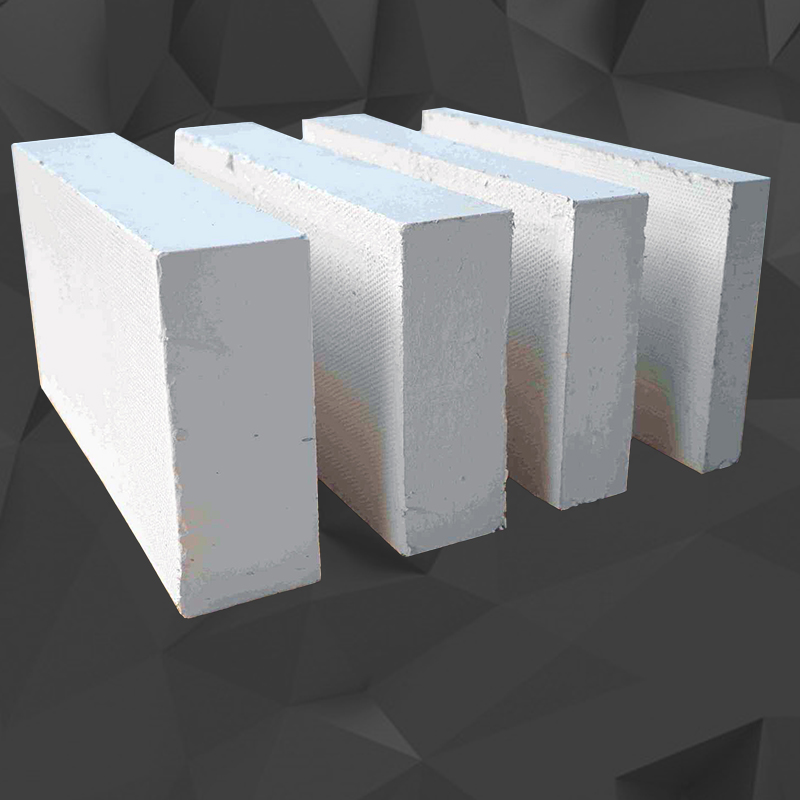
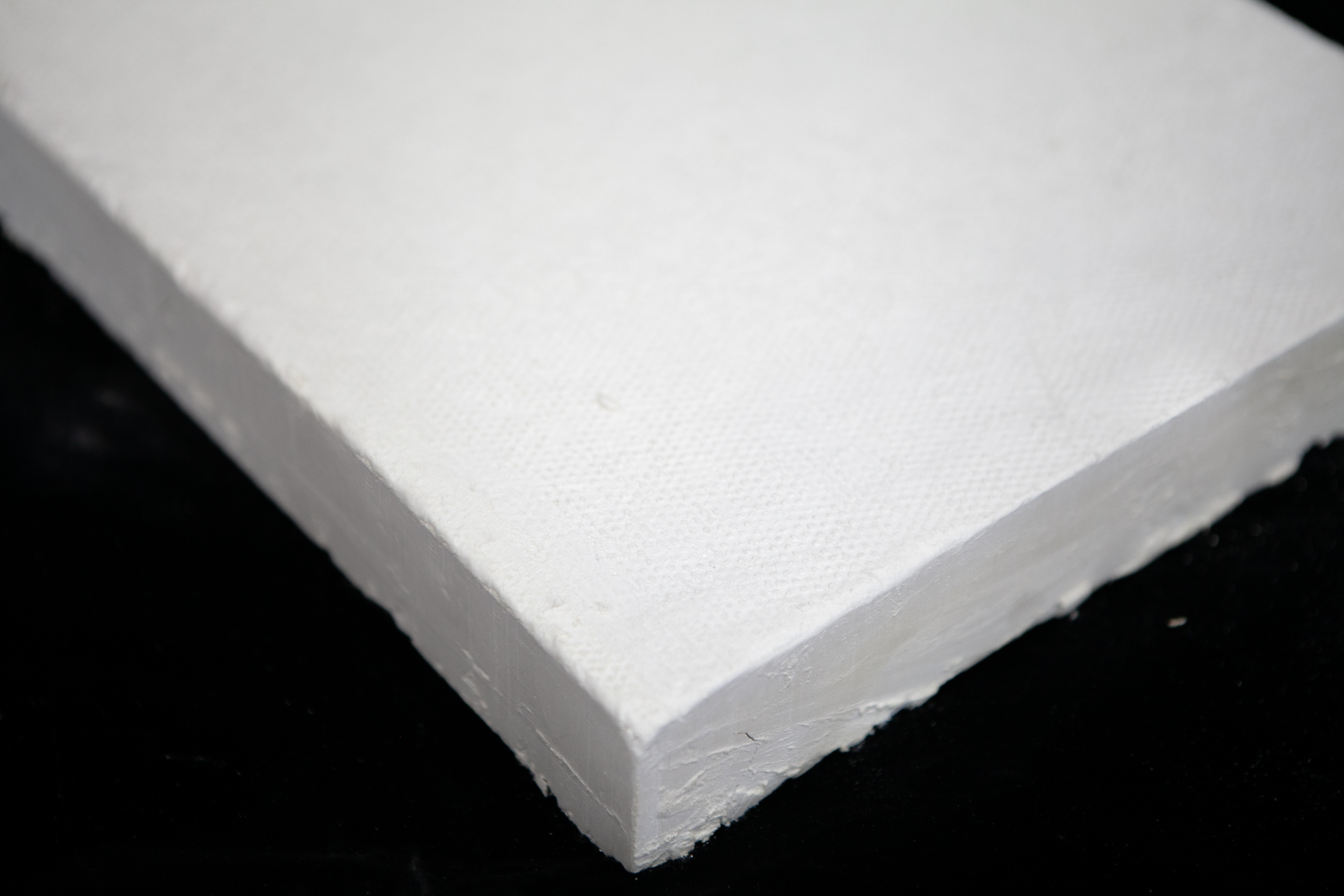
High density 1050 ℃ calcium silicate board for tunnel insulation? In the field of calcium silicate board, "high density" usually means higher strength and lower thermal conductivity, but weight also increases. In the field of industrial insulation, "tunnel" usually refers to the passage of tunnel kilns (used for firing ceramics and refractory materials) or industrial furnaces. For a high temperature environment of 1050 ℃, ordinary building calcium silicate boards are not suitable.

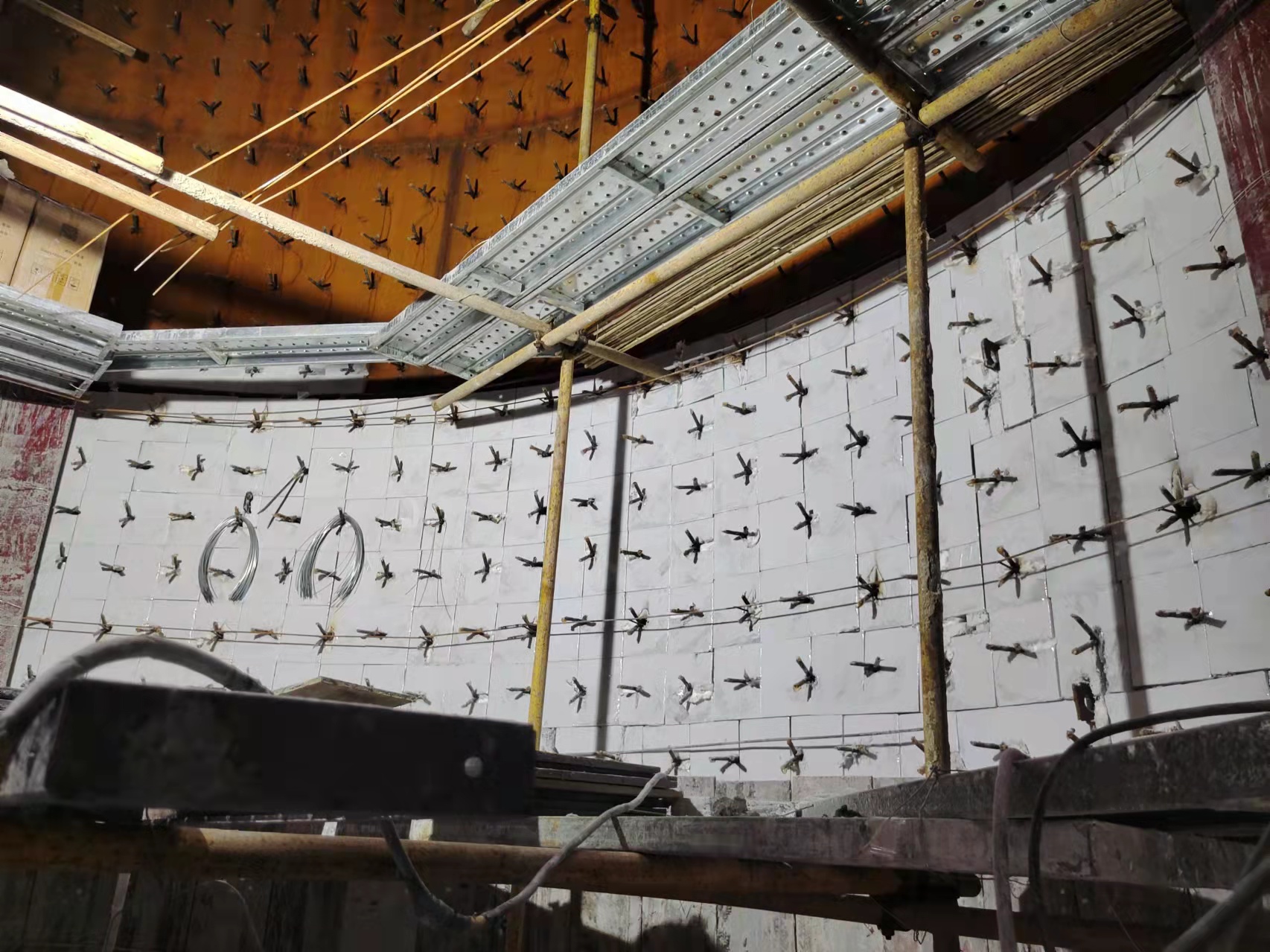
High density calcium silicate board (1050 ℃) specifically designed for tunnel insulation, especially for railway/highway tunnels and subway tunnels, is a hard, high temperature resistant, and high-strength insulation board for lining, fire insulation belts, and high-temperature exhaust ducts. Its core is high-density, 1050 ℃ resistant, vibration resistant, wind erosion resistant, and fire-resistant.
                                                                                    

The core functional advantages of high-density insulation calcium silicate board are:
1. High temperature resistant insulation (tunnel fireproof belt/smoke exhaust duct)
2. High density and high strength (key requirement for tunnels)
3. A-level fire retardant (mandatory for tunnel fire protection)
4. Moisture and water resistance (tunnel humid environment)
5. Frost resistance and weather resistance (outdoor/cold tunnel)
6. Construction and Durability

High density 1050 ℃ calcium silicate board for tunnel insulation? Choosing the right insulation material for tunnel construction is both worry free and cost-effective. Rosewool Insulation Refractory Co.,Ltd. has been a source manufacturer of insulation and refractory materials for more than 40 years. With excellent products and real prices, we have become your trusted partner!


 

Also Read

calcium silicate board

Reinforced fiber asbestos free calcium silicate fireproof board, defining a new standard for safety and durability

In scenarios such as building interior decoration, industrial fire partitions, and equipment protection, the safety, durability, and adaptability of fireproof boards are always key factors in customer decision-making. Traditional fireproof boards either contain harmful substances such as asbestos, or are prone to cracking and deformation in high temperature and load-bearing scenarios, making it difficult to balance safety and performance. As a pioneer in the industry, Rosewool Insulation Refractory Co.,Ltd has launched a reinforced fiber asbestos free calcium silicate fireproof board. With its core advantages of asbestos free safety, high temperature resistance, and high flexural strength, coupled with flexible customization and direct supply from manufacturers, it provides customers in various industries with high-quality solutions that are both safe and practical. ​
View More >>
how to seal ceramic fiber board

Does Ceramic Fiber Insulation Board Need to Be Painted?

Ceramic fiber insulation boards are renowned for their exceptional heat resistance, lightweight design, and thermal efficiency, making them a go-to choice for high-temperature applications like furnaces, kilns, fireplaces, and industrial equipment. However, a common question arises: Should these boards be painted? The answer depends on your project’s goals, environmental conditions, and desired performance. This article explores the pros, cons, and best practices to help you decide.
View More >>
calcium silicate board

1200 * 100 calcium silicate board insulation effect

What is the insulation effect of 1200 * 100 calcium silicate board? 1200 * 100 specification calcium silicate board is a commonly used hard insulation board in industrial scenarios such as cement plants. It has excellent insulation and heat resistance, high temperature resistance, and low thermal conductivity, and is suitable for equipment external protection, flue outsourcing, and other working conditions. Its thermal conductivity is as low as 0.05-0.08W/(m · K), which can effectively block the conduction of medium and low temperature heat. When used with inner insulation cotton, it can form a double-layer insulation structure, greatly reducing heat loss, and has high temperature resistance and strength. It is suitable for harsh environments such as dusty and humid cement plants, and has strong insulation stability.
View More >>

Send Enquiry Now

sales@rosewool.com
+86 13674954566
+86 13674954566
Speak To Our Team
Name:
Country :
*Email:
*Phone/Whatsapp:
*Inquiry:
X