What is the water repellency rate of Class A fire-resistant rock wool board?
Release Time: 2026-01-09
Share:
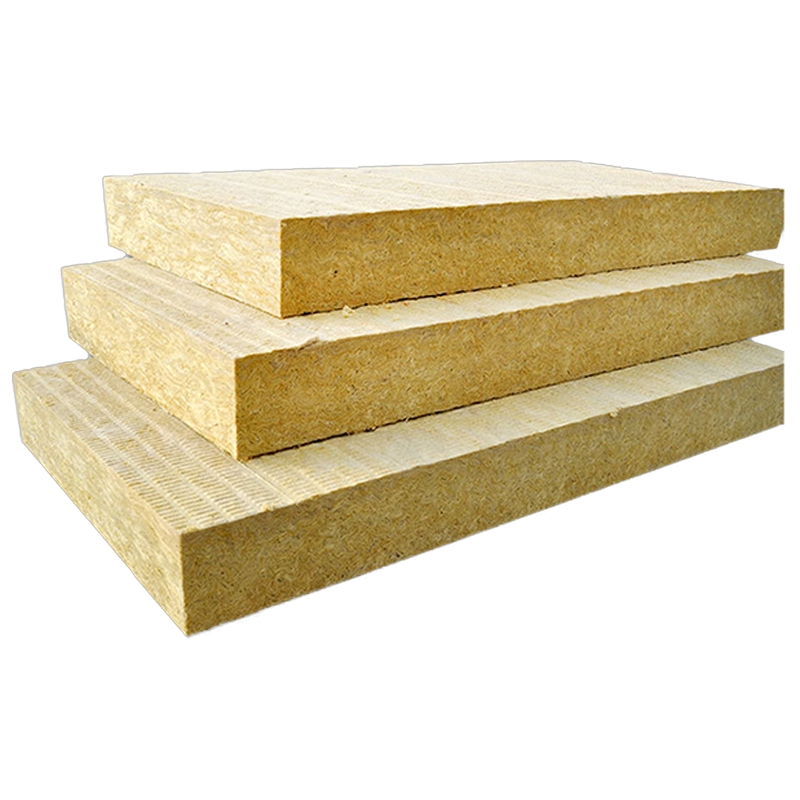
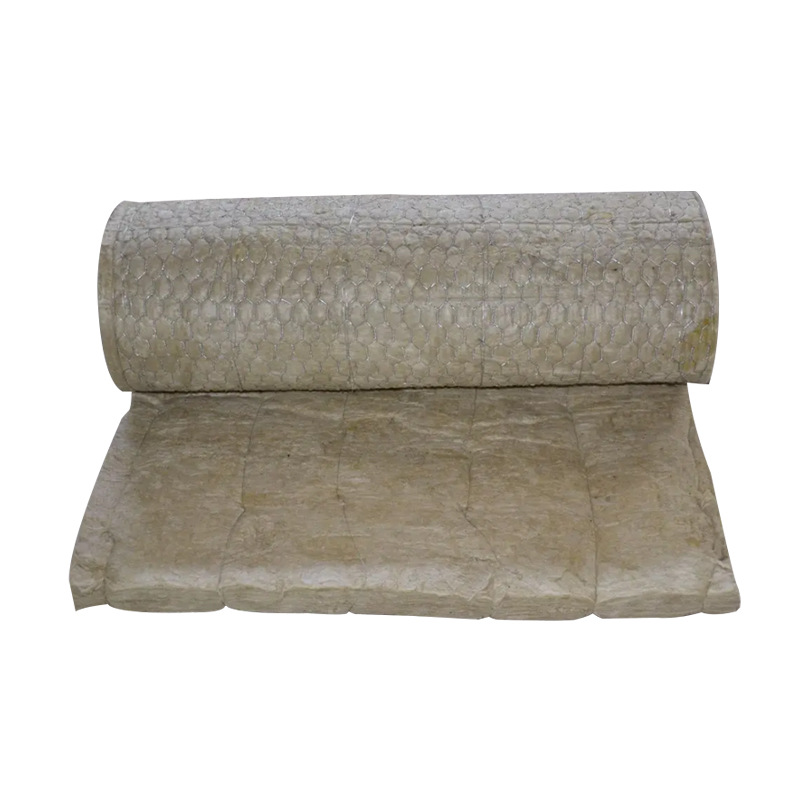
What is the water repellency rate of Class A fire-resistant rock wool board? Water repellency rate refers to the ability of a material to resist the penetration of liquid water. The higher the water repellency rate, the harder it is for water to wet and penetrate the surface of the material, and the stronger the ability of the insulation board to maintain dryness and stable performance in humid environments. What are the functional characteristics of the water repellency of rock wool board?
1. Prevent performance failure: Water is a good conductor of heat. Once the rock wool board absorbs water, its thermal conductivity will increase sharply, and its insulation effect will decrease significantly or even be completely lost. 2. Preventing structural corrosion: After absorbing water, the insulation layer forms an "aquifer", leading to the metal equipment being insulated (such as pipelines, wall studs, and roof steel plates) being exposed to a humid environment for extended periods, accelerating corrosion and posing safety hazards. 3. Ensuring long-term fire resistance: Although rock wool itself is an inorganic non-combustible material, long-term water accumulation inside may affect its structural stability, and in extreme situations (such as high-temperature steam during the early stages of a fire), it may have an impact. 4. Reduce self-weight and prevent detachment: Water absorption can significantly increase the weight of the board, placing a burden on the fixing system, especially in vertical applications, which increases the risk of detachment.
1. Performance guarantee: We employ an advanced hydrophobic agent formula and a fully automated three-dimensional penetration process to ensure that each fiber is evenly and fully coated with the hydrophobic agent. The hydrophobic rate of our outgoing products is consistently maintained at ≥98.5%, with some models achieving a rate of over 99%, and has been certified by a third-party authority. 2. Technical principle: Hydrophobicity is not achieved by surface coating, but by chemically bonding the fibers themselves to possess hydrophobic characteristics. Even if the board is cut during construction, its cut surface still maintains good hydrophobicity, which is the key to evaluating the quality of the process. 3. Comprehensive performance matching:High water repellency and high fire resistance coexist: while maintaining an ultra-high water repellency rate, our products absolutely do not contain any organic combustible substances that could affect the fire rating, ensuring the core safety attribute of Class A1 non-combustibility.
What is the water repellency rate of Class A fire-resistant rock wool board? A water repellency rate of ≥ 98% serves as the "identity card" and "lifeline" of high-quality Class A fire-resistant rock wool board. It directly impacts the energy-saving effect, safety, and durability of the insulation system over its decades-long lifecycle. By choosing Rosewool Insulation Refractory Co.,Ltd, you will not only receive a set of compliant data, but also enjoy stable performance guarantees and comprehensive professional services based on our profound technical expertise.