Rosewool Insulation Refractory Co.,Ltd.
Your Position: Home > About us > News > Industry Knowledge

Construction method of nano-thermal insulation board

Release Time: 2025-07-25
Share:
In industrial insulation construction, complex procedures often become bottlenecks in efficiency. Rosetexwool's nano-insulation board, with its "adaptive design + convenient process", redefines the standards for insulation construction, making high-temperature equipment insulation projects time-saving, worry-free, and more reliable.

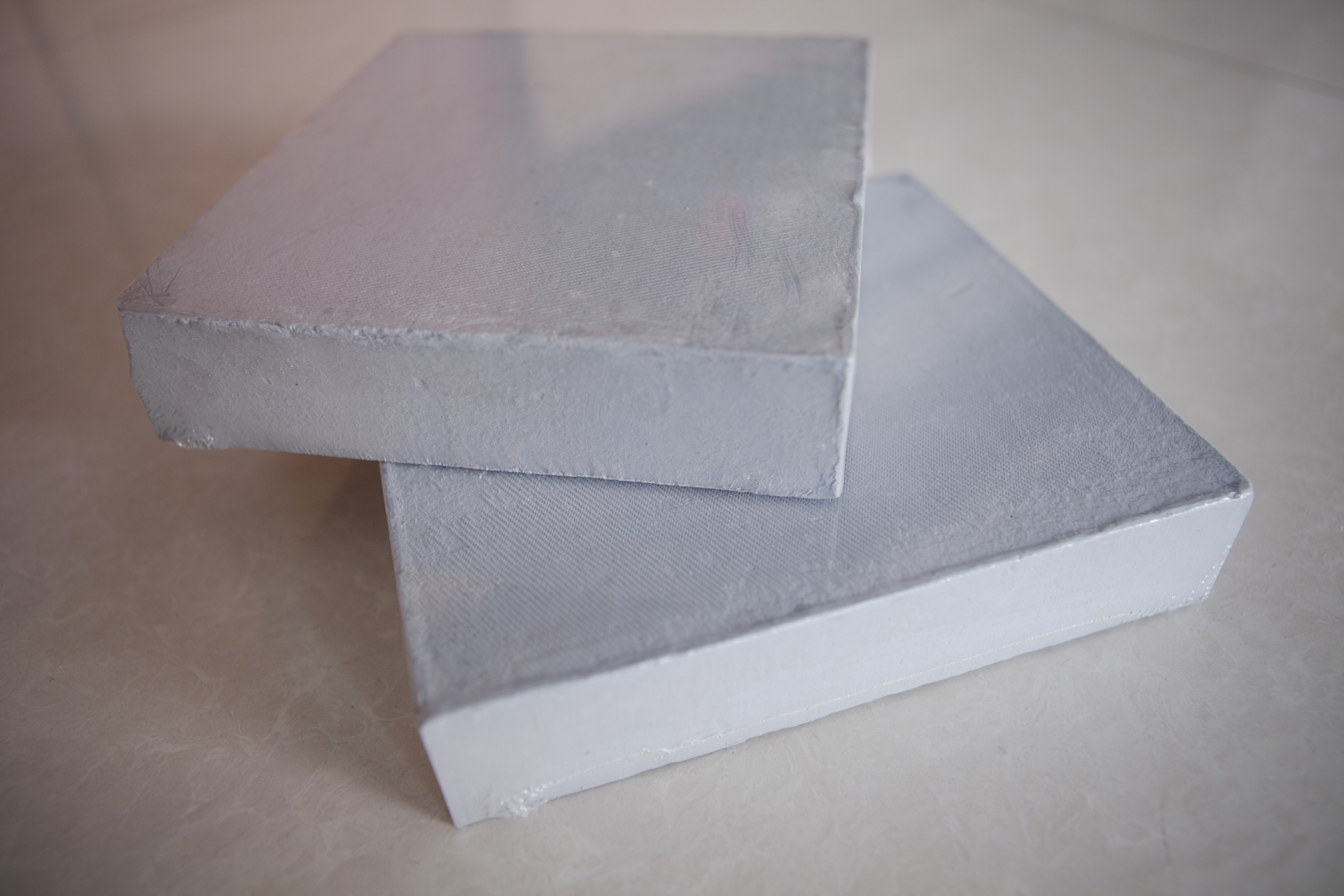
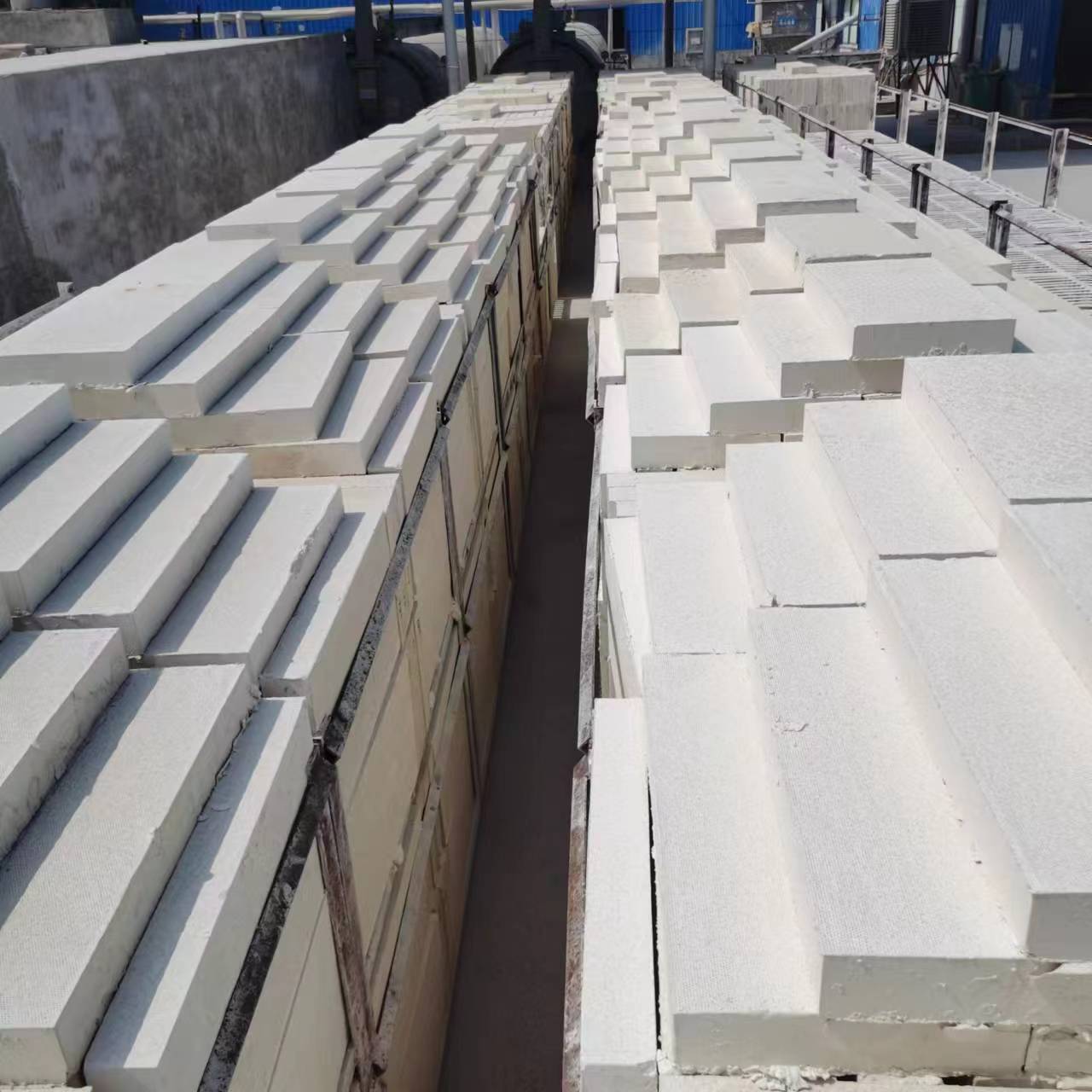
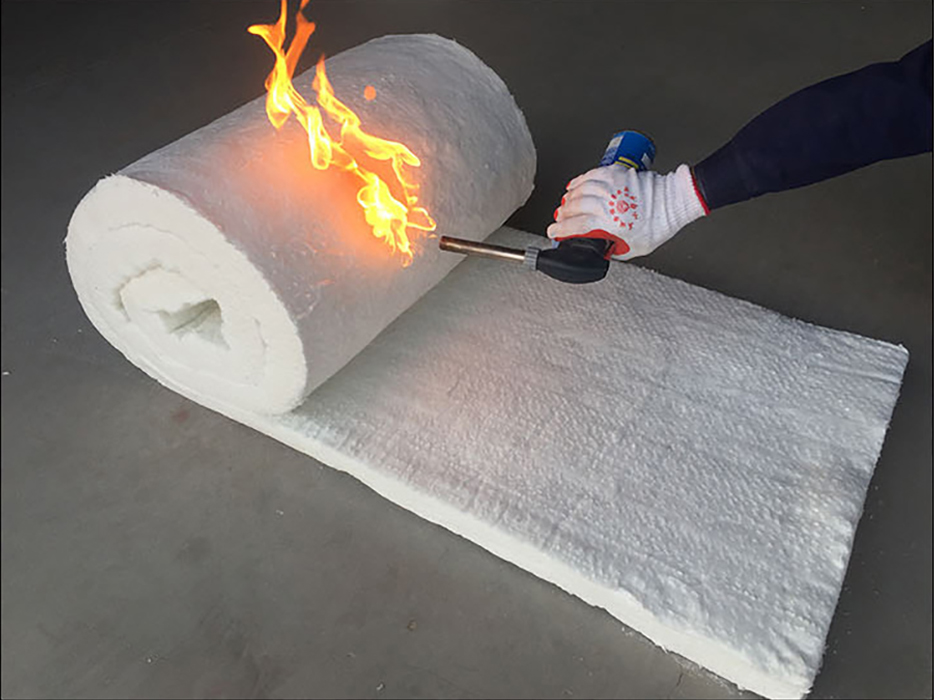
Rosetexwool nano-insulation board is a new type of insulation material manufactured using high-tech technology. It is made from lightweight inorganic SiO₂ and ceramic fibers with extremely low thermal conductivity, and uses high-reflectivity aluminum foil as the bottom layer material. It is produced through continuous coating, composite pressing, baking, and other processes. Its special inorganic refractory powder particles form tiny pores, making the thermal conductivity even lower than that of still air. In high-temperature environments, its insulation performance is 2-3 times higher than traditional fiber insulation materials, making it an excellent insulation material with superior thermal insulation performance.
                                                                         
Construction method of nano-insulation board:
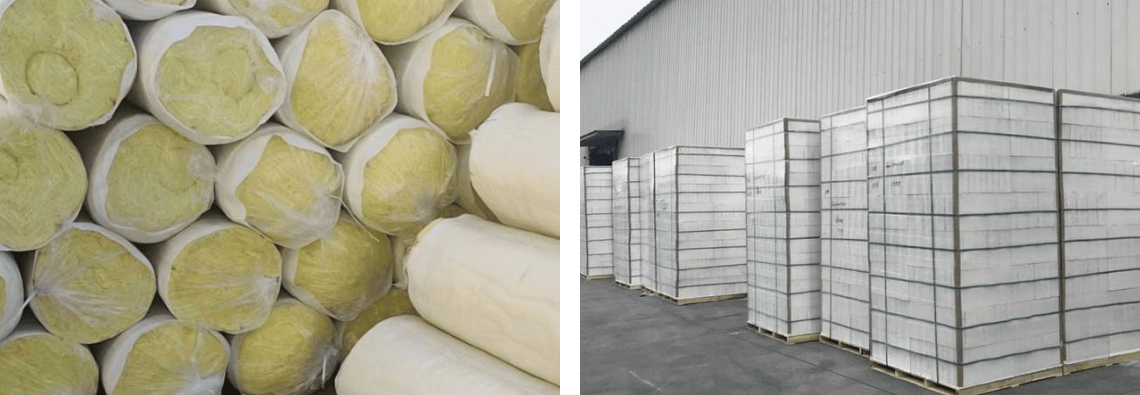
1.During the construction of nano insulation boards, the heat shrinkable film packaging should not be damaged, and its integrity should be maintained to ensure that its insulation performance is not lost. During construction, the outer waterproof plastic protective layer should be retained to prevent water from entering.
2. Construction sequence: Install the nano-thermal insulation boards from bottom to top, ensuring they are tightly fitted both vertically and horizontally, with as small gaps as possible. For areas with large gaps, fill them with high-temperature resistant fiber cotton;
3. For applications involving the use of castable materials, due to the presence of anchoring components, a specialized cutting knife should be used to align with the center of the anchoring component. The cut should not be too large and should not deviate from the center of the anchoring component. The width of the product should be equal to the spacing between the anchoring components. Depending on the actual situation, a matching high-temperature adhesive can be used. The essentials of construction are basically the same as those for calcium silicate boards.

With its excellent performance and quality, Rosetexwool nano insulation board will undoubtedly contribute significantly to energy conservation, consumption reduction, and production efficiency improvement for your enterprise.


 

Also Read

nano anti-corrosion insulation board

How much does the nano anti-corrosion insulation board cost per square meter

In the fields of chemical engineering, construction, equipment protection, etc., the demand for nano anti-corrosion and thermal insulation boards with both anti-corrosion and insulation properties is increasing. "How much does it cost per square meter" has become the primary concern for customers, and its safety is also highly valued. At present, the unit price of nano anti-corrosion insulation board in the market is greatly affected by material, thickness, and anti-corrosion level. The price of conventional 20mm thick products is mostly in the range of 85-150 yuan per square meter, while high-end anti-corrosion models can reach more than 200 yuan. The price difference is mainly due to core technology and raw material quality. ​
View More >>
mineral wool fire protection

What is the Fire Resistance Performance of Rock Wool Board?

In the realm of modern construction and industrial insulation, fire safety is of paramount importance. Rock wool board, a widely - used insulation material, has gained significant attention for its remarkable fire resistance performance. Understanding how rock wool board stands up to fire is crucial for architects, builders, and industry professionals looking to enhance the safety and reliability of their projects.
View More >>
Hard calcium silicate for insulation materials

Hard calcium silicate for insulation materials in the non-ferrous metal industry

Is hard calcium silicate used as insulation material in the non-ferrous metal industry? In the non-ferrous metal industry (such as aluminum, copper, lead, zinc smelting and processing), high-temperature equipment (melting furnaces, insulation furnaces, flow channels, electrolytic cells, etc.) have extremely strict requirements for insulation materials: high temperature resistance, low thermal conductivity, resistance to metal melt erosion, no pollution of metal liquid, and environmental friendliness and non toxicity. In the non-ferrous metal industry, hard calcium silicate, as an insulation material, has core advantages such as high temperature resistance, low thermal conductivity, high stability, long service life, environmental protection and safety. It can effectively improve equipment energy efficiency, reduce maintenance costs and ensure safe production.
View More >>

Send Enquiry Now

sales@rosewool.com
+86 18538206860
+86 18538206860
Speak To Our Team
Name:
Country :
*Email:
*Phone/Whatsapp:
*Inquiry:
X