What are the common specifications for 1260 ℃ ceramic fiber cloth?
Release Time: 2026-01-15
Share:
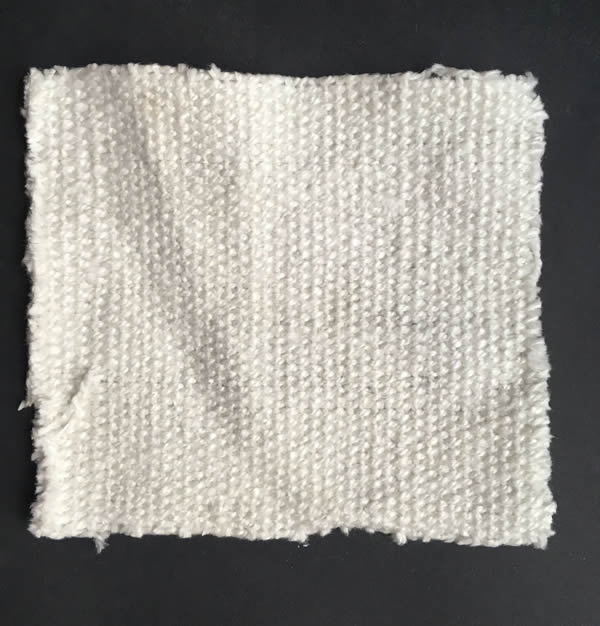
What are the common specifications for 1260 ℃ ceramic fiber cloth? 1260 ℃ ceramic fiber cloth (also known as high-purity or zirconium containing ceramic fiber cloth) is a flexible refractory material that is resistant to high temperatures, provides insulation, and is widely used in industries such as metallurgy, petrochemicals, power, and glass for high-temperature sealing, wrapping, insulation curtains, fire-resistant blankets, and other applications. 1260 ℃ "refers to the classification temperature or maximum operating temperature of this type of ceramic fiber cloth. In actual long-term continuous use, it is generally recommended to maintain a safe continuous use temperature below 1000-1100 ℃ to ensure material performance and lifespan. Common specifications for 1260 ℃ ceramic fiber cloth:
1. Thickness
This is one of the most critical dimensions that directly affects insulation performance and flexibility. 2. Surface density (gram weight)
Refers to the weight per square meter of fabric (g/m ²), which is directly related to thickness and weaving density, and is an important indicator for measuring the degree of "porcelain solidity" of fabric. 3. Fabric organization and strength
Organization: The vast majority are plain weave with stable structure.
Tensile strength: This is a key performance indicator. High quality 1260 ℃ fiber cloth should have warp and weft tensile strength that meets or exceeds the following common values; 4. Reinforced materials (wire diameter and material)
Ceramic fiber cloth needs to be reinforced with fibers during weaving to provide mechanical strength.
Glass fiber reinforced yarn: the most commonly used and cost-effective choice. The temperature resistance of the reinforcing wire itself is usually lower than that of ceramic fibers, but it is wrapped inside and suitable for most 1260 ℃ usage environments.
Heat resistant stainless steel wire: Used for higher requirements or situations where the edges are prone to wear, the cost is higher. Commonly used grades such as 304 and 321 stainless steel wire.
Wire diameter: The thickness of the reinforcing wire (such as 0.3mm, 0.4mm) can also affect the final feel and strength of the fabric.
5. Width (Width)
The common width of the coil material is convenient for cutting and construction. 6. Length
Usually sold in rolls.
What are the common specifications for 1260 ℃ ceramic fiber cloth? Rosewool Insulation Refractory Co.,Ltd. can be a reliable supplier in your supply chain. For high-temperature materials, safety and reliability should always be prioritized over price factors. For a detailed understanding of the technical parameters, construction plans, and specific prices of ceramic fiber cloth, please click on our online personnel to provide you with one-on-one detailed explanations or call our consultation hotline for you to connect at any time;