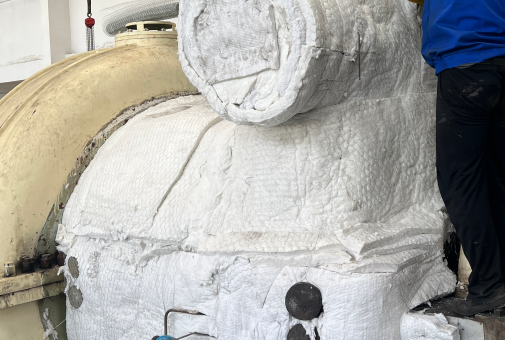
For the main reheater pipelines with significant vibration in power plants, the middle flange surfaces of steam turbines, and the locations of flange supports and hangers, are there any mandatory requirements for the high-temperature shrinkage rate of fiber blankets? Is PULS-reinforced blanket necessary?
Release Time: 2026-10-28
Share:
Are there any mandatory requirements for the high-temperature shrinkage rate of fiber blankets in areas with significant vibration, such as main reheater pipes, turbine mid-span flanges, and flange supports? Is PULS-reinforced blanket necessary? National or industry standards do not specify a separate, stricter set of mandatory high-temperature shrinkage rate requirements for "areas with significant vibration, such as main reheater pipes, turbine mid-span flanges, flanges, and supports." Fiber blankets in these locations still adhere to the basic heating permanent set requirements of the product standards, but stricter requirements are typically included in tenders or technical agreements. Why are vibration / flange / mid-span surfaces often subject to stricter requirements in engineering?
These pain points: "Continuous vibration + thermal cycling, detachable flanges, mid-span gaps, insulation prone to detachment, collapse, heat leakage, and excessive temperature differential between upper and lower cylinders.".
- The steam turbine body, flanges, main and reheater vibration tubes, and detachable insulation sleeves' inner cores, "as commonly stipulated in power plant technical agreements: ≤3% (same temperature 24h), with some high-end units requiring ≤2.5%", fall under "owner/designer's technical supplementary requirements, not mandatory national standards."
- Concurrently, mandatory requirements are enforced: "For non-woven double-sided needle-punched mats, high-density (128kg/m³ or above) with elevated tensile strength indicators are required. Sprayed low-density mats are not permitted." Even with acceptable shrinkage rates and inferior tensile strength, vibration conditions will still lead to powdering and collapse.
Alumina silicate needle-punched blankets used for turbine intermediate sections, flanges, main reheater vibration pipelines, and support hanger areas, in addition to complying with DL/T776-2019 and GB/T16400-2023, must meet the requirements of "heating permanent linear change (corresponding to graded temperature ×24h) ≤3%, tensile strength ≥21kPa, and employ the spun double-sided needle-punching process.".
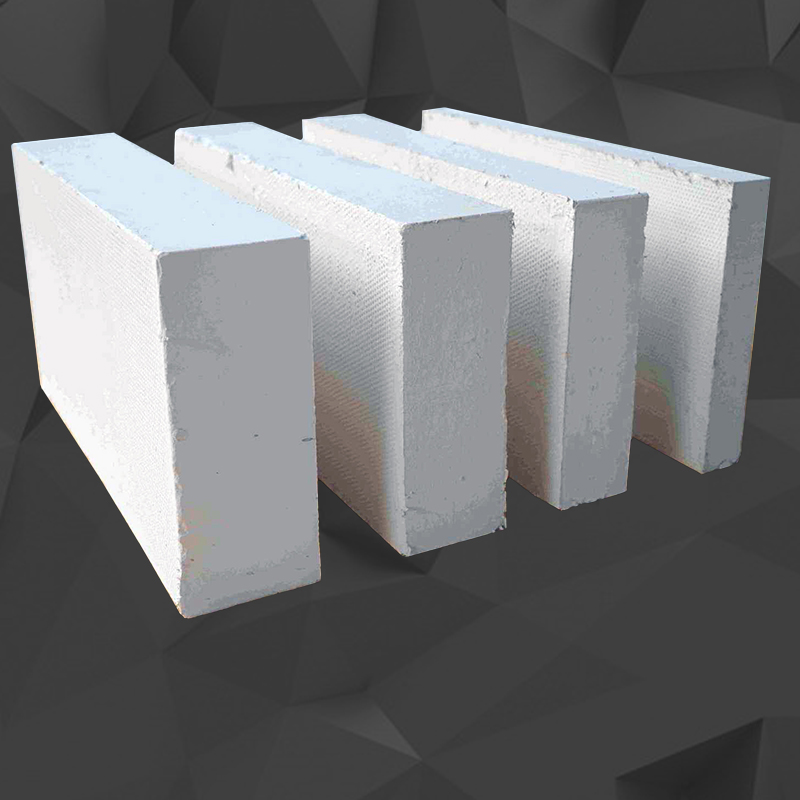
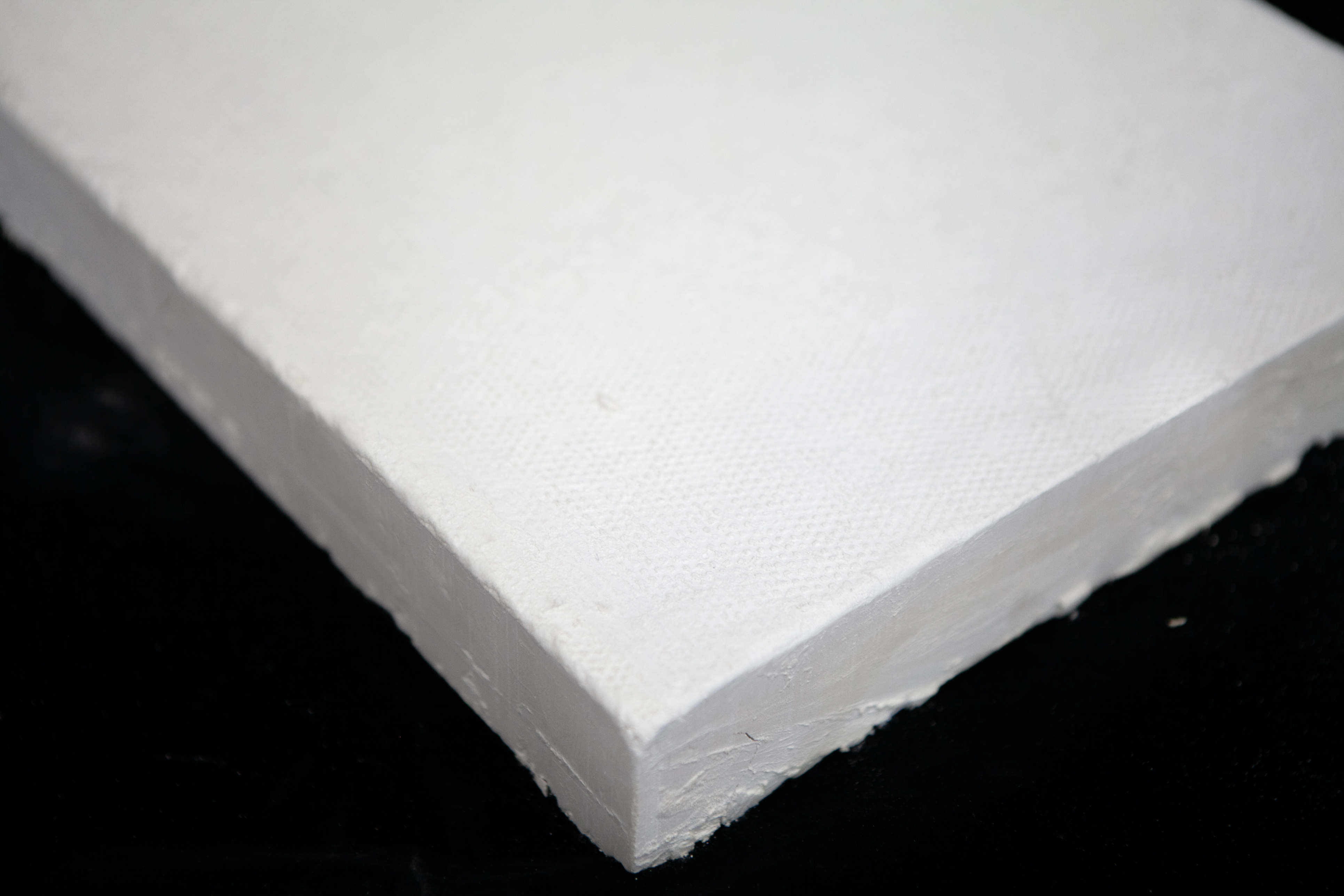
PLUS Ceramic Fiber Blanket (for main reheater pipelines, turbine center split / flanges, and support hanger locations) Core Advantages:
1. Superior high-temperature shrinkage performance
2. The tensile strength is significantly improved, with enhanced resistance to vibration and fatigue
3. Very low slag ball content, strong high-temperature resistance to powdering
4. Lower thermal conductivity and smaller heat storage capacity, suitable for turbine temperature control requirements
5. The alien material has excellent conformability, suitable for mid-partition surfaces and irregular flange contours
6. Long-term stability and maintenance-friendly
PLUS is an upgraded craftsmanship grade, not an independent new standard; when purchasing, the technical specifications must explicitly include the four criteria: "permanent heating-induced linear change, tensile strength, slag ball content, and rebound rate." Simply stating "PLUS blanket" without locking these indicators may lead to supplier downgrading. PULS Enhanced Ceramic Fiber Blanket is a high-end thermal insulation material developed by Rosewool Insulation Refractory Co.,Ltd. for power plant vibration conditions, suitable for main and reheater pipelines, turbine mid-span surfaces, flanges, and support suspension locations. With low slag ball content and lower thermal conductivity, it delivers outstanding insulation and energy-saving performance while maintaining low heat capacity, facilitating temperature differential control in cylinder sections. As the original manufacturer, Rosewool Insulation Refractory Co.,Ltd. has validated its product through multiple power plant projects, ensuring stable performance and customizable options. It stands as a preferred insulation material for key high-temperature vibration areas in thermal power plants.