Is the failure of insulation materials in power plants mainly due to shrinkage cracking, moisture, wind erosion, or vibration induced detachment
Release Time: 2026-10-22
Share:
Is the failure of insulation materials in power plants mainly due to shrinkage cracking, moisture, wind erosion, or vibration induced detachment? Where are insulation materials used in power plants? The failure of insulation materials in power plants is not a single cause, but the result of the combined effects of multiple factors. Different parts and materials have different dominant factors for failure; However, moisture and thermal shrinkage/cracking are usually the most common and primary causes; Vibration shedding is also typical in areas with high vibration such as steam turbines and fans; Wind erosion has a greater impact on the outdoor protective layer and surface, and generally does not become the main cause alone. The primary and secondary order of common failure of insulation materials in thermal power plants:
First place: Shrinkage cracking (thermal expansion and contraction cycle stress cracking, which is the root cause)
The unit frequently starts and stops, changes load, hard insulation (calcium silicate, castable), fiber products shrink due to heat, and joints open, resulting in cracks; Once cracks appear, they create channels for water ingress, airflow erosion, and vibration detachment, which is the most core and highest form of failure in power plant insulation.
Second place: Failure due to moisture and water ingress (most affecting insulation performance)
The outer protective aluminum plate is damaged, the overlap is not tight, and rainwater, flushing water, and condensation water infiltrate; The thermal conductivity of water is much higher than that of air. After absorbing water, the thermal conductivity of insulation cotton skyrockets, pulverizes, sinks and collapses, and it can also cause corrosion under the insulation layer, leading to high incidence of outdoor pipelines, steam turbine platforms, and flue bends.
Third place: Vibration detachment (locally high incidence, concentrated in specific locations)
Continuous vibration of fans, turbines, pumps, elbows, flanges, supports and hangers, expansion joints, and valve positions, loosening of hooks, wire mesh, and binding components, delamination, sliding, and complete detachment of insulation layers; Not widespread throughout the factory, it is a point type failure.
Fourth place: Wind erosion/smoke erosion (local areas of flue, SCR denitration flue, induced draft fan flue)
Long term erosion of fiber insulation by high-speed dusty flue gas leads to fiber erosion, loss, thinning, and pulverization; Closed pipelines and indoor pipelines have almost no such problem, only limited to high velocity flue areas, which belongs to local working condition failure.
Shrinkage cracking is the initial trigger, moisture is the main cause of performance decline, vibration detachment is point detachment, and wind erosion erosion only occurs on the flue gas side. Many times it is a chain reaction: first heat shrinkage cracking → water ingress and moisture/airflow entering → combined with vibration, and finally the whole piece falls off.
The outer protective layer is damaged or poorly sealed → rainwater and moisture enter → the material becomes damp and the thermal conductivity increases → repeated starting and stopping causes thermal expansion and contraction → cracking and hollowing → further detachment under vibration. Where are the main insulation materials used in power plants?
1. Boiler system
-Boiler membrane fireplace wall, furnace top package, furnace top seal, manhole door, burner surroundings
-Steam drum, header, screen superheater, final superheater, and high-pressure reheater header
-Flue, hot air duct, primary/secondary air duct, powder feeding duct, economizer ash hopper 2. Steam turbine system
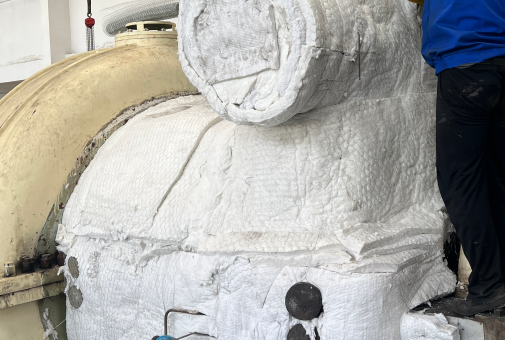
-Insulation of high/medium pressure cylinder body of steam turbine (upper and lower cylinders)
-Main steam pipeline, reheat pipeline, steam guide pipeline, extraction pipeline, drainage pipeline
-Valves, flanges, orifice plates, expansion joints, heaters, deaerators, water tank bodies 3. Environmental protection later stage (SCR denitrification, dust removal, desulfurization)
-SCR denitration reactor, denitration inlet and outlet flue, ammonia injection flue, bypass flue (high temperature, commonly used aluminum silicate, aerogel)
-Electrostatic precipitator, bag filter housing, induced draft fan housing
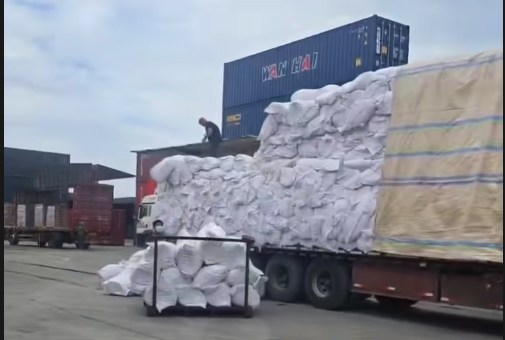
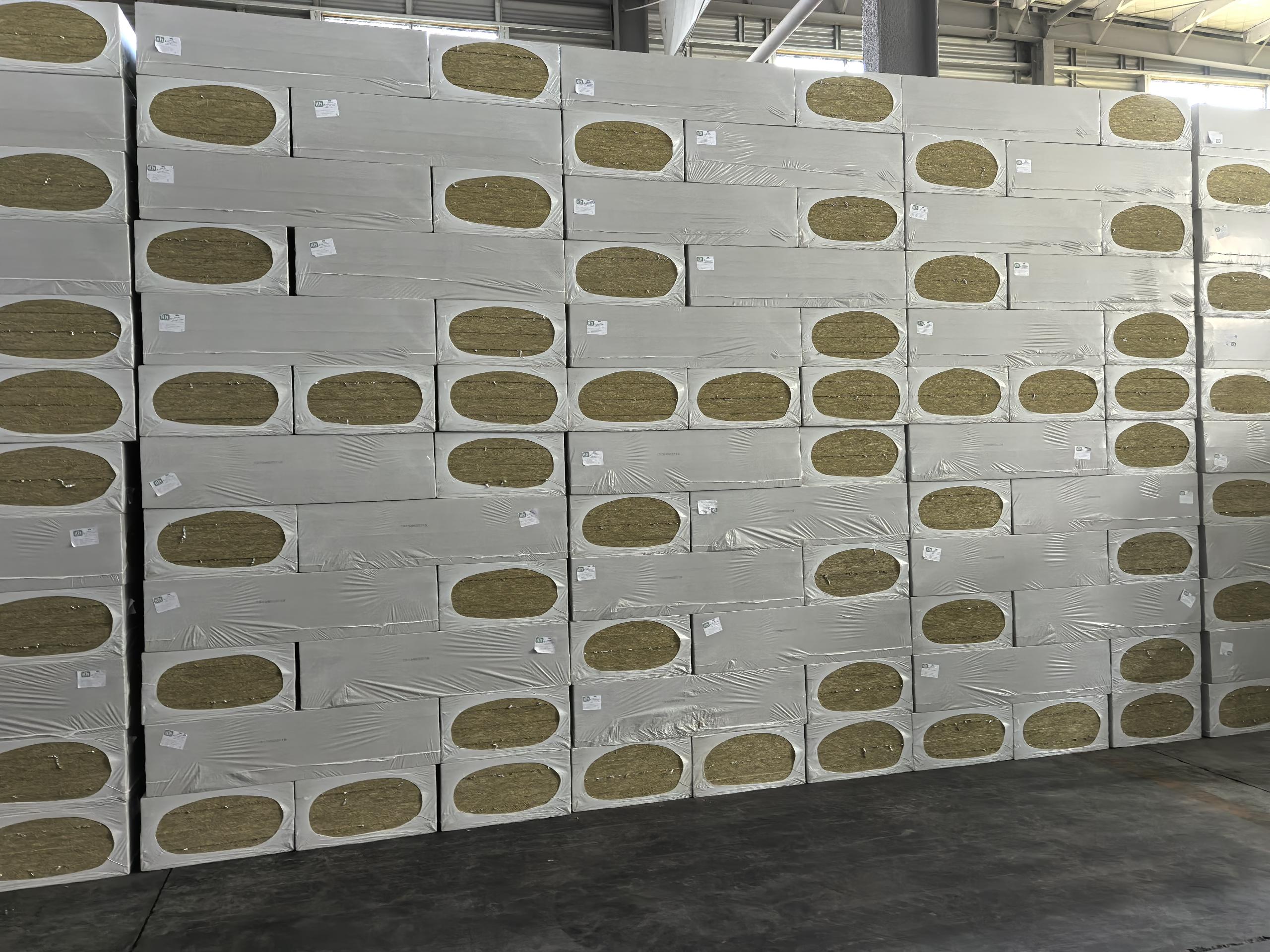
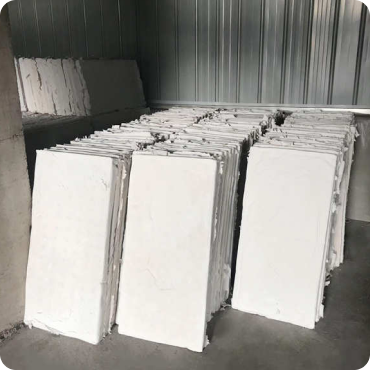
-External insulation for desulfurization flue and absorption tower (low temperature, often using rock wool) Ceramic fiber products, calcium silicate boards, nano aerogel felt, rock wool, glass wool and other thermal insulation materials are commonly used in boiler, steam turbine, main steam pipe, flue and dust removal area of thermal power plant. Rosewool Insulation Refractory Co.,Ltd.'s products suitable for the working conditions of the power distribution plant include ceramic fiber blankets/modules, calcium silicate board tube shells, nano insulation boards, rock wool board tube shells, etc., covering all working conditions from high temperature to medium low temperature, and can be used for insulation and sealing of boilers, steam turbines, high temperature pipelines, and flue gas ducts. Rosewool Insulation Refractory Co.,Ltd. Manufacturer is a source production factory with complete qualifications, providing long-term services for major power generation projects, and can customize specifications and supporting insulation solutions according to needs; Adequate production capacity, stable supply, and can meet the project schedule; Equipped with technical personnel, providing selection guidance and on-site technical support, one-stop matching of power plant insulation materials, saving the cost of multi-party procurement and coordination, it is a stable and reliable long-term partner for power plant insulation engineering.