Hard calcium silicate for insulation materials in the non-ferrous metal industry
Release Time: 2026-01-21
Share:
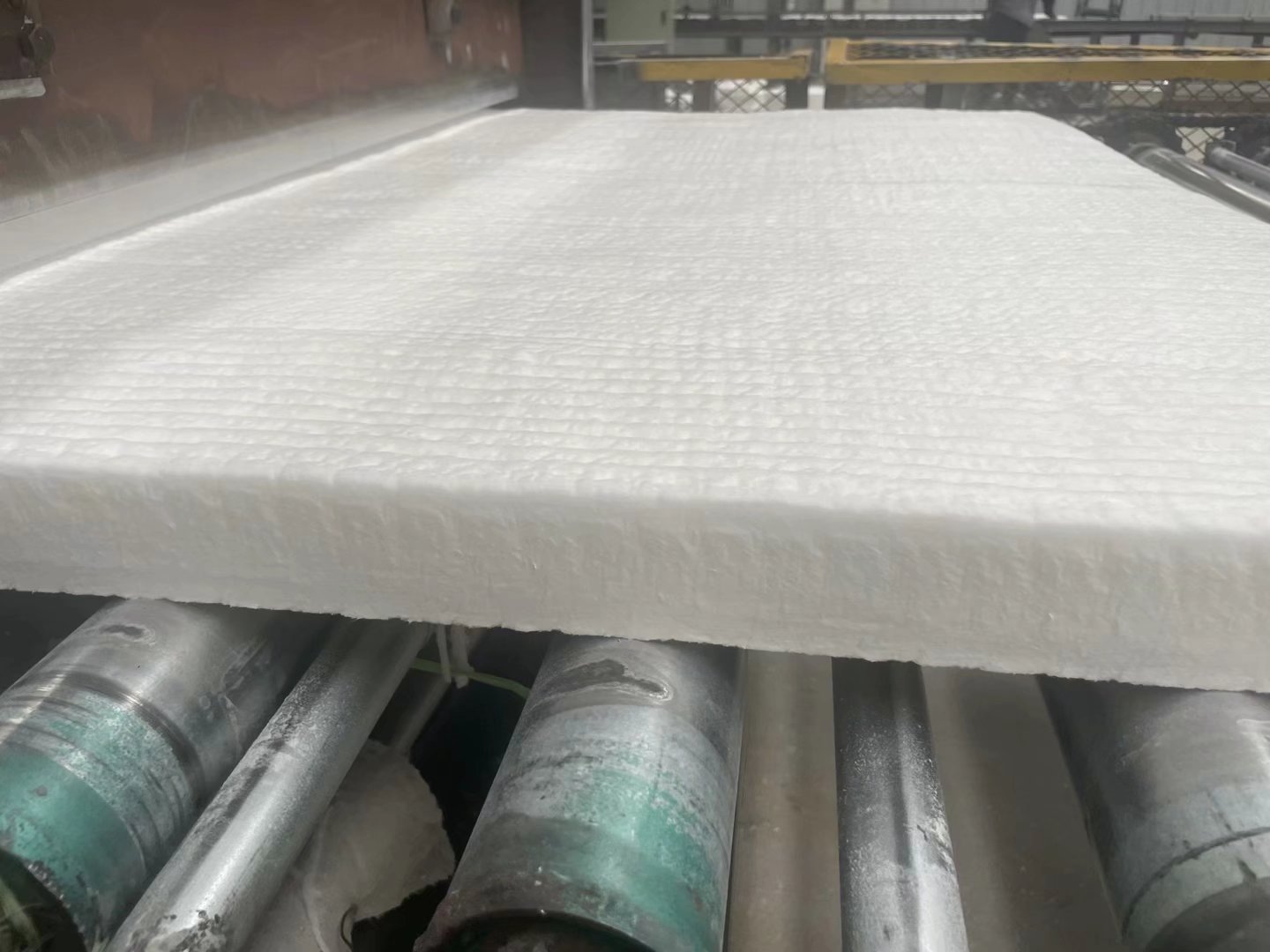
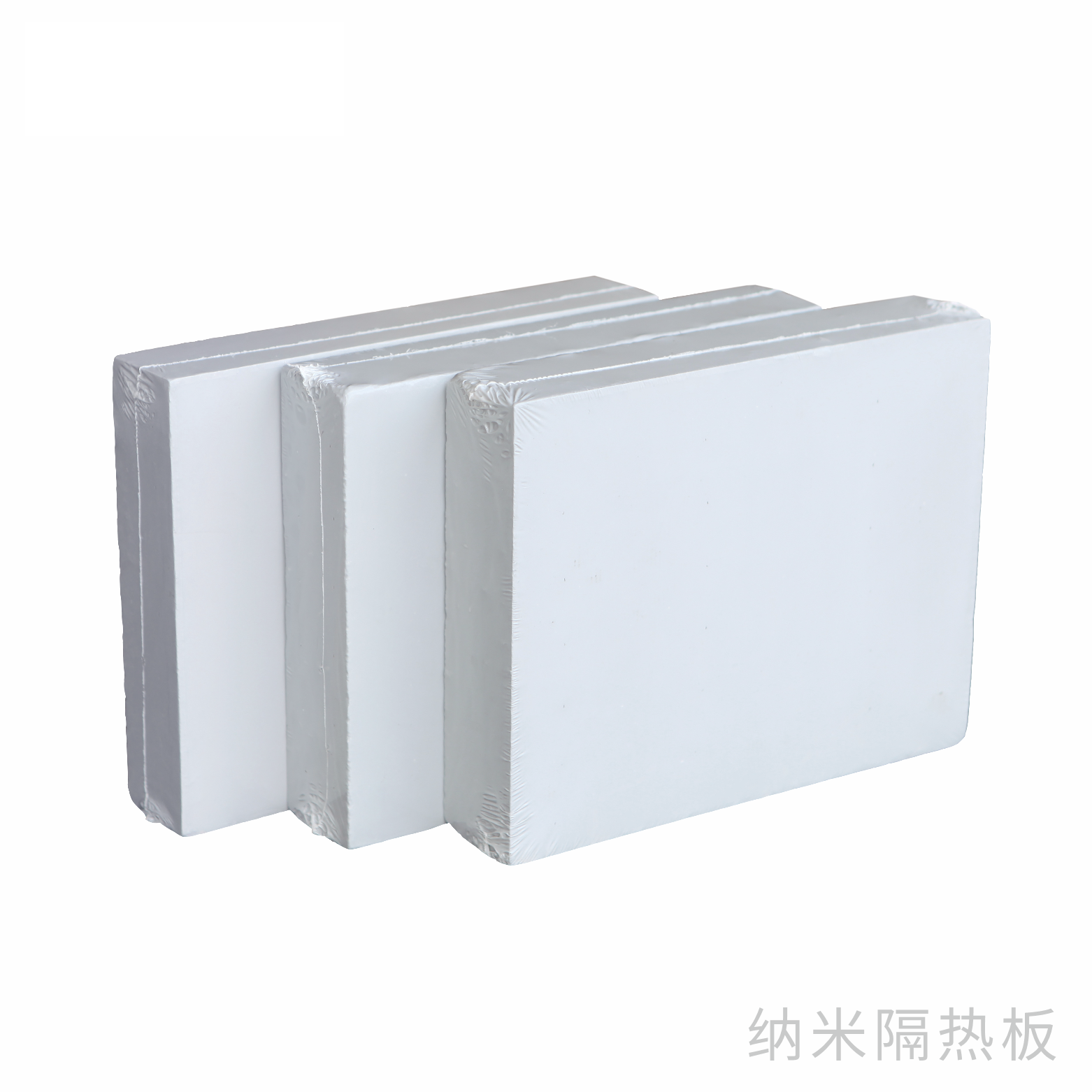
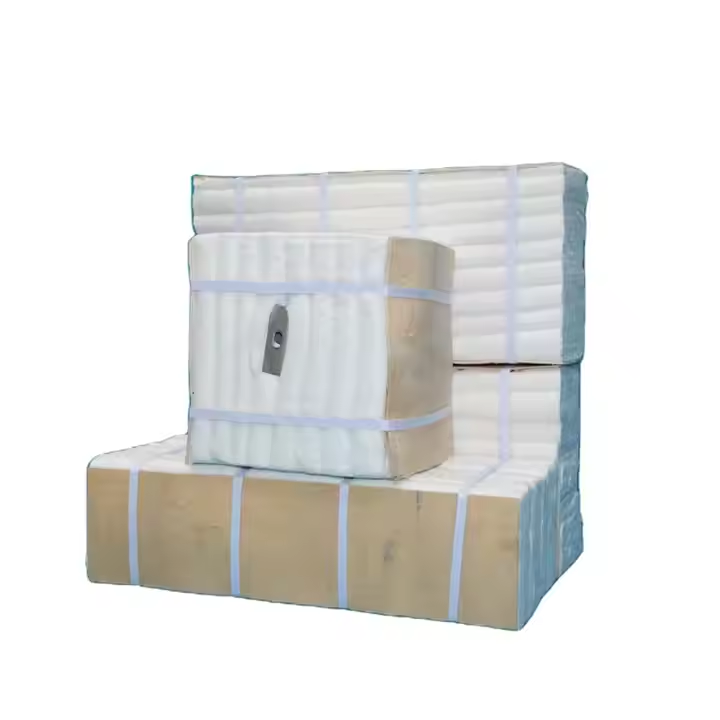
Is hard calcium silicate used as insulation material in the non-ferrous metal industry? In the non-ferrous metal industry (such as aluminum, copper, lead, zinc smelting and processing), high-temperature equipment (melting furnaces, insulation furnaces, flow channels, electrolytic cells, etc.) have extremely strict requirements for insulation materials: high temperature resistance, low thermal conductivity, resistance to metal melt erosion, no pollution of metal liquid, and environmental friendliness and non toxicity. In the non-ferrous metal industry, hard calcium silicate, as an insulation material, has core advantages such as high temperature resistance, low thermal conductivity, high stability, long service life, environmental protection and safety. It can effectively improve equipment energy efficiency, reduce maintenance costs and ensure safe production.
Hard calcium silicate is currently the preferred material for high-temperature insulation in the non-ferrous metal industry, with three core values of high temperature resistance, strong stability, and environmental safety. When purchasing, it is important to identify professional synthesis manufacturers, verify phase purity and high-temperature performance, and avoid confusion with ordinary calcium silicate.
1. Ultra low thermal conductivity: Its closed pore microporous structure effectively blocks heat conduction, and the thermal conductivity at room temperature can be as low as 0.035-0.05 W/(m · K). Moreover, the thermal conductivity increases slowly at high temperatures (~1000 ℃), and the insulation performance is stable. 2. Excellent high temperature resistance:
Long term use temperature can reach 1000 ℃, and short-term use temperature can reach 1050-1100 ℃.
Key advantages: No shrinkage, deformation, or pulverization at high temperatures. Because its strength mainly comes from the crystal structure rather than fiber interweaving, it will not undergo crystal embrittlement after heating. 3. Extremely high structural strength:
High compressive strength (usually ≥ 0.5MPa, dozens of times that of ceramic fiber blankets), capable of bearing weight and withstanding trampling.
It can be directly used as a lining or support structure for the working face of the kiln, without the need for metal anchors, avoiding "thermal short circuits" and corrosion points. 4. Excellent corrosion and erosion resistance:
Has strong inertness towards molten aluminum, zinc, and their alloys, and will not be infiltrated or corroded.
It can resist the corrosion of most alkaline atmospheres and molten salts, making it very suitable for non-ferrous metal smelting environments.
The surface is hard and can withstand the erosion of process airflow and dust wear. 5. Excellent fire prevention and environmental friendliness:
A1 grade non combustible material, smokeless and non-toxic in case of fire.
Free from potentially harmful respiratory dust such as asbestos and ceramic fibers, installation is safer.
Strong hydrophobicity, not easily affected by moisture after drying, stable performance in humid and hot environments.
For the non-ferrous metal industry, hard calcium silicate is a "high-level solution" to address comprehensive challenges such as high temperature, corrosion, load-bearing, and safety. It is not the cheapest option, but often the most reliable choice to ensure the long-term, safe, and efficient operation of critical equipment. When purchasing, it is essential to provide detailed working condition information to professional manufacturers in order to obtain the most accurate product recommendations and technical support. Rosewool Insulation Refractory Co.,Ltd. provides strict verification of qualifications and sources of goods for its products, core certification documents, and solutions based on the real needs of users. In addition,Rosewool Insulation Refractory Co.,Ltd offers comprehensive after-sales service.