Rosewool Insulation Refractory Co.,Ltd.

Your Position: Home > About us > News > Industry Knowledge

How much does it cost to manufacture nano insulation boards in China?

Release Time: 2025-10-13
Share:
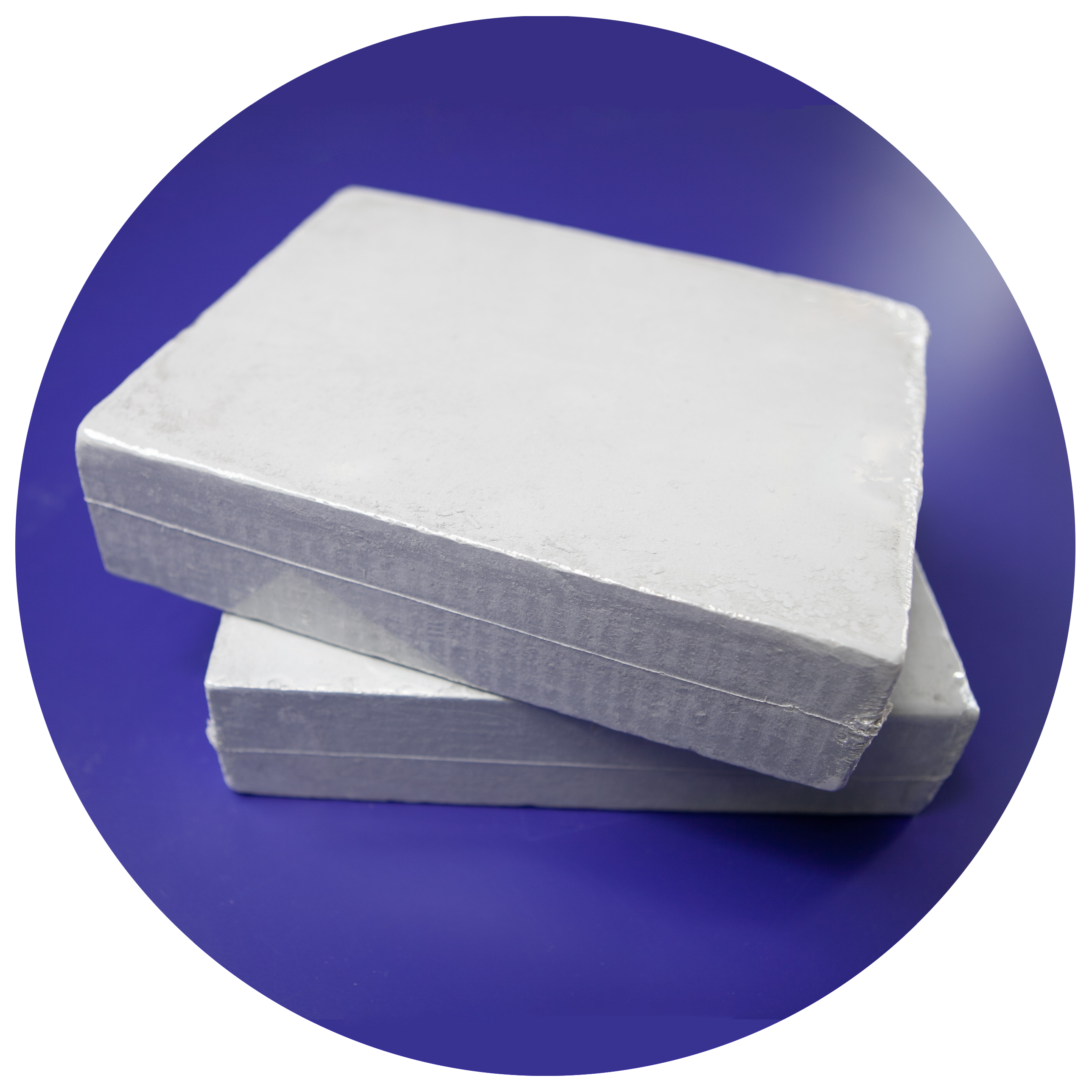
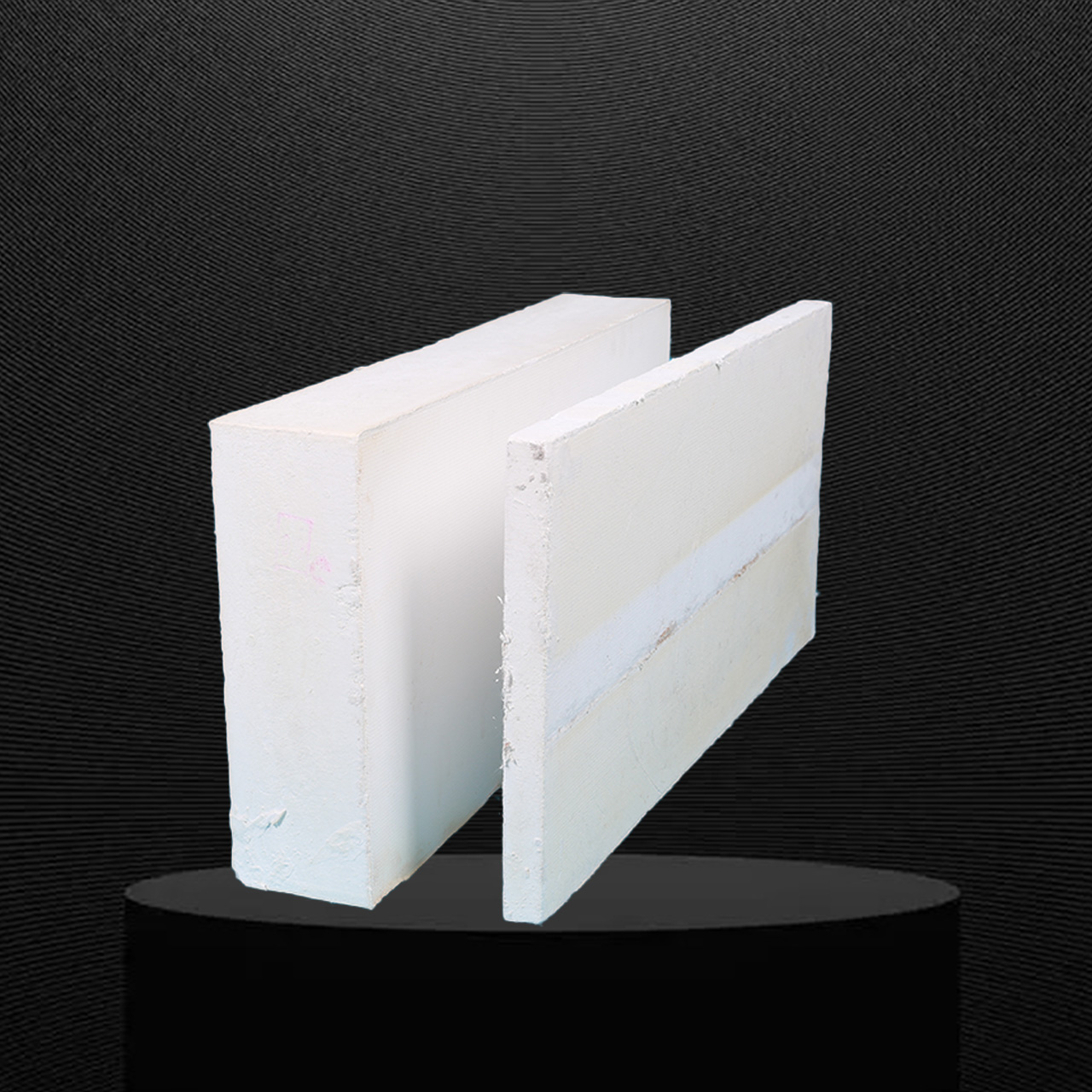
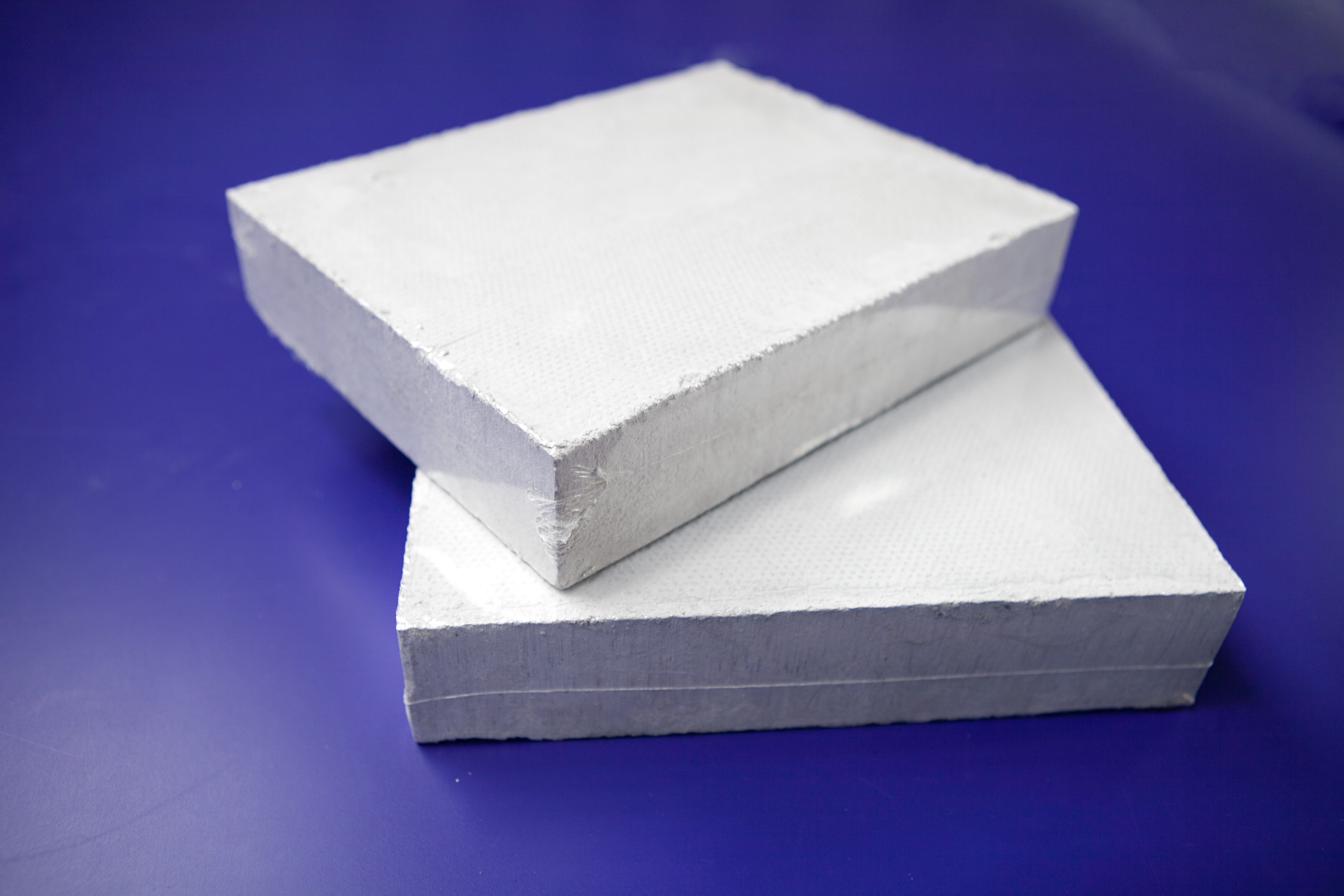
In the procurement of materials in energy storage, metallurgy, construction and other fields, "how much does it cost to manufacture nano insulation boards in China" has always been the core issue that the purchasing party focuses on. From the market situation, the price of nano insulation boards ranges from tens of yuan per square meter to over 800 yuan, and behind this huge difference lies the comprehensive effect of multiple factors. As Rosewool Insulation Refractory Co.,Ltd., which has been deeply involved in the industry for more than 40 years, we combine industry rules with our own practice to analyze the price logic and demonstrate the way to create cost-effective products for you. ​
                                                              
What factors affect the price of nano insulation board:

The price of nano insulation panels is mainly determined by the model, density, operating temperature, linear shrinkage rate, thermal conductivity, application scenarios, and other factors; The quality of raw materials is the core cornerstone of pricing. The core materials of nano insulation panels include insulation powder, reinforced fibers, and shading agents. The price of high-quality gas-phase silica is more than three times that of ordinary insulation powder, while the cost of high silica fiber is much higher than that of ordinary glass fiber. Low priced products in the market often use inferior insulation powder and recycled fibers, which can lower prices but lead to a surge in thermal conductivity and a shortened service life. Rosetexwool adheres to strict standards and uses high-purity gas-phase silica and basalt fiber, combined with silicon carbide shading agent, to ensure performance from the source. Although the raw material cost is 15% higher than the industry average, it has achieved excellent performance with a room temperature thermal conductivity of ≤ 0.03W/(m · k). ​

The production process directly determines the price hierarchy. The traditional wet process requires supercritical drying equipment, which is expensive and consumes an astonishing amount of energy, resulting in high product costs. The simple molding process of backward small workshops has resulted in a product qualification rate of less than 60%. Rosetexwool Innovation adopts a dry process technology, which saves high drying costs and increases the product qualification rate to over 98% through precise dry mixing and intelligent molding. Although this technological innovation requires a large initial investment, the comprehensive cost per unit product is reduced by 20%, forming a dual advantage of quality and price. ​

Performance parameters and customized requirements widen the price gap. For every 100 ℃ increase in temperature resistance level, the formula cost increases by more than 25%, and the price of 1-5mm ultra-thin customized board is 1.5 times that of standard products. Rosetexwool covers products with a full temperature resistance range of 350-1200 ℃, including high-temperature resistant models specifically designed for steel metallurgy, as well as ultra-thin fire-resistant panels for energy storage containers. Relying on flexible production lines, the premium for customized sizes is only 10%, far below the industry's level of 20% -30%. ​

Technical Parameters

Items JDN-1 Nano Insulation Board JDN-II Nano Insulation Board JDN-H Nano Insulation Board
Color Grey Grey White
Melting Point >1200℃ >1200℃ >1200℃
Maximum Operating Temperature 1000℃ 1000℃ 1100℃
Bulk Density 600kg/m³±10% 600kg/m³±10% 300±10% kg/m³
Linear Shrinkage(900℃*3h) ≤-1% <-1% ≤-1%
Thermal Conductivity 300℃ ≤0.02W/m.k ≤0.02W/m.k
600℃ ≤0.052W/m.k ≤0.04W/m.k ≤0.030W/m.k
1000℃ ≤0.085W/m.k ≤0.065W/m.k ≤0.038W/m.k


The advantage of regional supply chain affects terminal costs. The transportation cost of nano insulation panels accounts for 15%, and the terminal price increases by 8% for every 200 kilometers of transportation radius. Rosetexwool is based in the transportation hub of Zhengzhou, radiating to multiple provinces in Central China. It can arrive within 24 hours within the province, significantly reducing the logistics costs for buyers. For bulk purchasing customers, a tiered pricing policy is introduced, offering a 15% discount on purchases over 1000 square meters. Combined with logistics advantages, the overall cost is 25% lower than that of non local manufacturers. ​

As a recommended supplier for China's Ministry of Electric Power and metallurgical industry, Rosetexwool's nano insulation board has passed RoHS and Reach certifications, with a water repellency rate of 99% and a thermal conductivity coefficient of only 1/6 of traditional materials at 800 ℃. Whether you are engaged in energy storage project construction, metallurgical equipment renovation, or building insulation construction, choosing Rosetexwool not only allows you to obtain high-quality products that meet international standards, but also enjoys the cost advantage of localized services. ​

Looking forward to working together with you to build a strong safety defense line with cost-effective nano insulation boards, and promote industrial energy conservation and upgrading together!


Also Read

Industrial insulation fire-resistant glass wool felt

Industrial insulation fire-resistant glass wool felt manufacturer direct selling price

What is the direct selling price of industrial insulation fire-resistant glass wool felt from manufacturers? Ultra fine glass wool is an insulation material mainly made of quartz sand, feldspar, and other raw materials. Ultra fine glass wool has the characteristics of light weight, low thermal conductivity, and corrosion resistance. It can be widely used in thermal equipment, air conditioning constant temperature, cold and hot pipelines, oven drying rooms, refrigeration preservation, and building insulation, heat insulation, and sound insulation.
View More >>
ceramic fiber blanket suppliers

The Diverse Applications of Ceramic Fiber Blankets: A Revolutionary Material for High-Temperature Environments and Beyond

Ceramic fiber blankets, composed primarily of aluminum oxide (Al₂O₃) and silica (SiO₂), are innovative inorganic refractory materials renowned for their high-temperature resistance, low thermal conductivity, corrosion resistance, and lightweight flexibility. These properties have made them indispensable in industrial energy conservation, architectural insulation, fire safety, and specialized environmental protection. This article explores ten core applications of ceramic fiber blankets, supported by 2025 technological advancements and real-world case studies.
View More >>
Plus ceramic fiber blanket

Selecting excellent materials for steam turbine insulation, Rosetexwool Plus ceramic fiber blanket assists in efficient operation

For core industrial equipment such as steam turbines, a suitable insulation material can not only ensure stable operation of the equipment, but also directly affect production efficiency and energy consumption control. Today, we would like to recommend the steam turbine insulation blanket Plus ceramic fiber blanket from Rosewool Insulation Refractory Co.,Ltd. With its outstanding advantages of low slag ball content, low heat capacity and thermal conductivity, and strong stability, it has become a reliable partner in the industrial field. ​

View More >>

Send Enquiry Now

sales@rosewool.com
+86 18538206860
+86 18538206860
Speak To Our Team
Name:
Country :
*Email:
*Phone/Whatsapp:
*Inquiry:
X