Rosewool Insulation Refractory Co.,Ltd.

Your Position: Home > About us > News > Industry Knowledge

What are the characteristics of N17 calcium silicate board compared to ordinary calcium silicate board?

Release Time: 2025-12-18
Share:
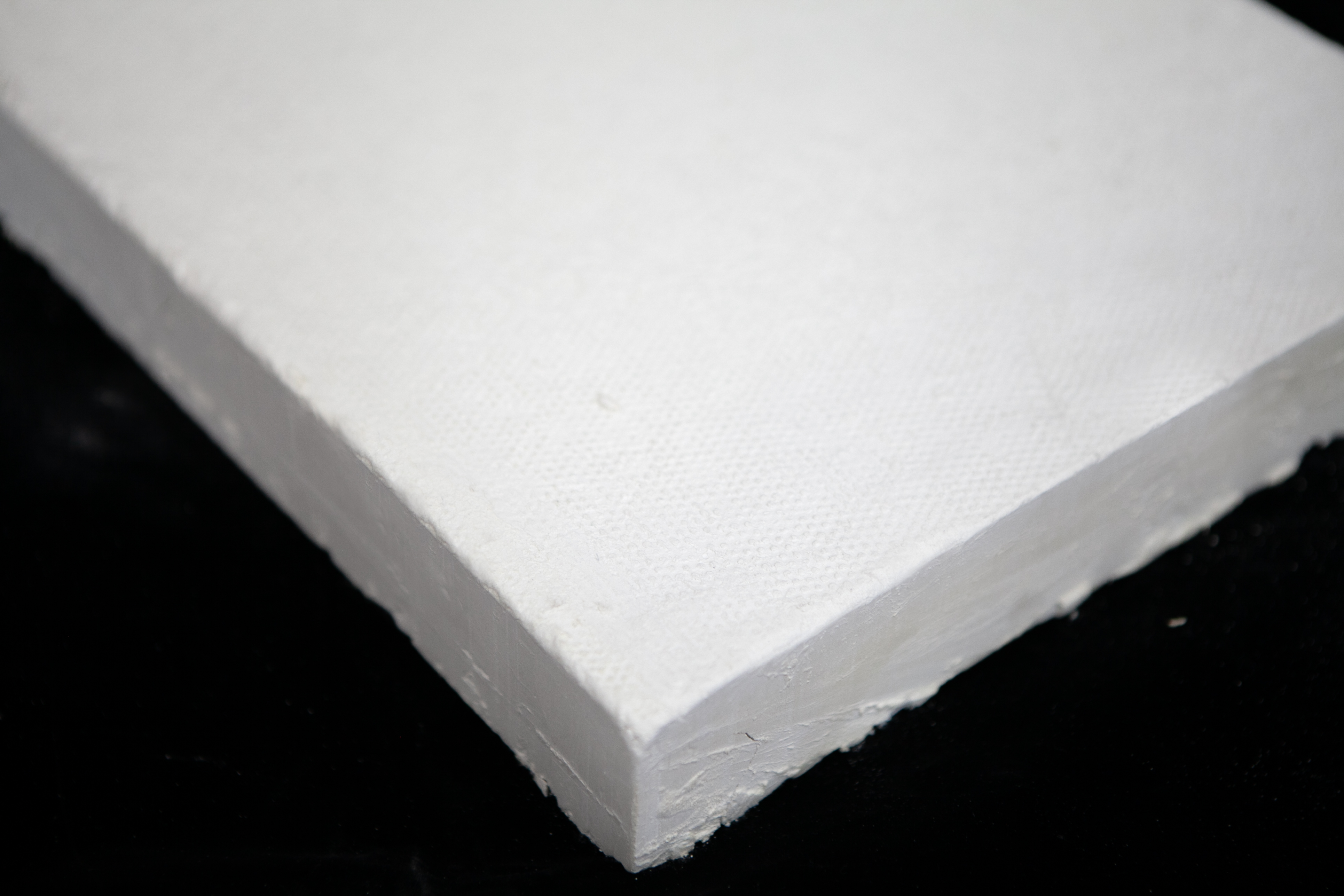
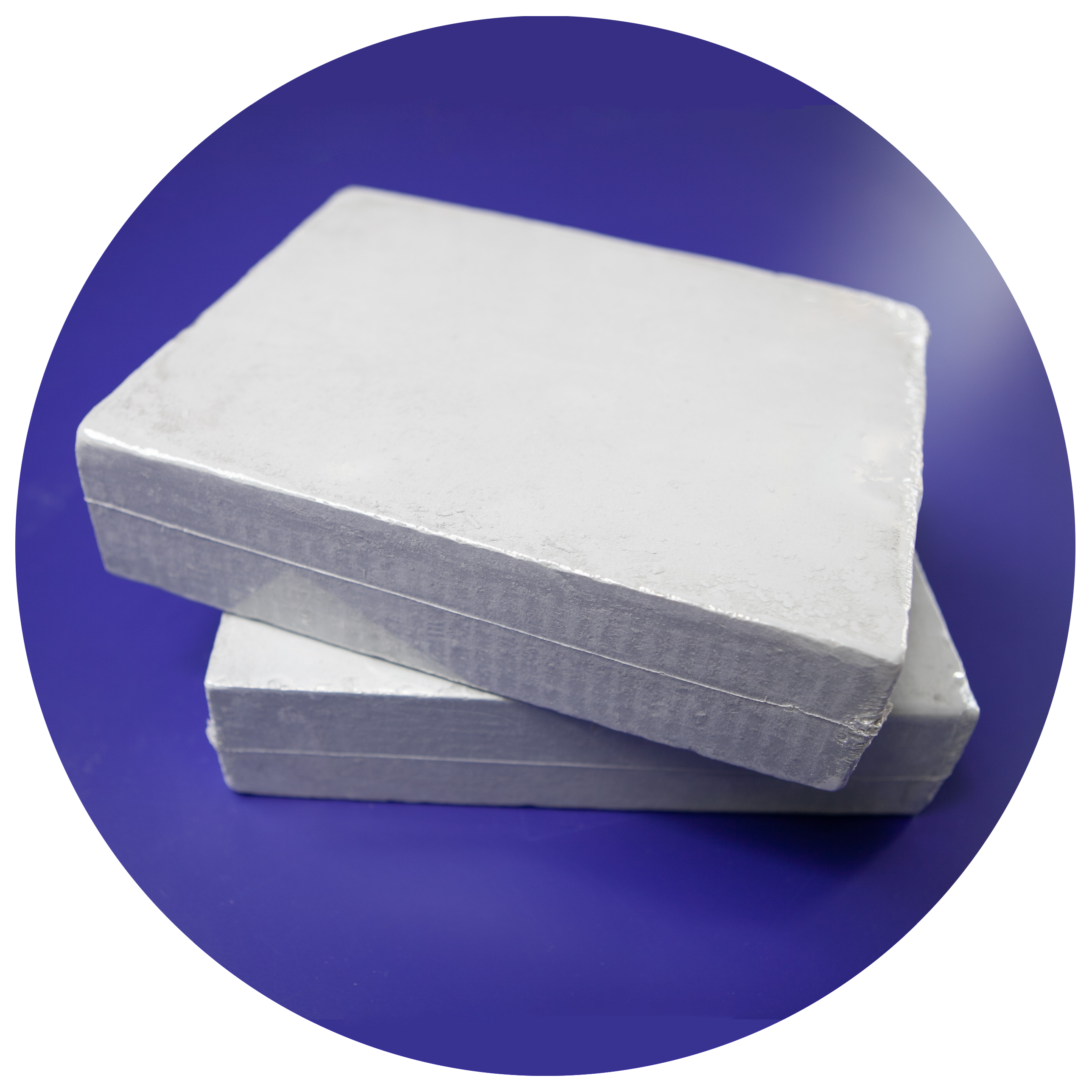
What are the characteristics of N17 calcium silicate board compared to ordinary calcium silicate board? N17 calcium silicate board is a type of calcium silicate board. Compared with ordinary calcium silicate board, N17 calcium silicate board has higher density, stronger strength, and better insulation effect; The N17 calcium silicate board from Rosewool Insulation Refractory Co.,Ltd is recognized for its high density, heat resistance, insulation performance, stability, and ease of construction. It is designed specifically for high-strength use scenarios and has high strength and good insulation performance.
                                                                

The difference between N17 calcium silicate board and ordinary calcium silicate board:

1. Significant difference in density
N17 calcium silicate board: belongs to high-density board, with a stable density of 850 ± 10kg/m ³. This high density is the basis for its excellent properties such as high strength and high temperature resistance, and can adapt to scenarios with high requirements for material structural stability.
Ordinary calcium silicate board: mostly lightweight insulation type, with generally low density, common specifications in 230-270kg/m ³, focusing on lightweight insulation, more suitable for conventional insulation environments without high-strength requirements.

2. There is a significant difference in mechanical strength
The compressive and flexural strength of N17 calcium silicate board far exceeds that of ordinary calcium silicate board. It is not easily damaged during transportation and installation, and can also resist external and thermal impacts under working conditions. Specifically, the compressive strength of N17 calcium silicate board is ≥ 23MPa, and the flexural strength is ≥ 7.9MPa; However, ordinary calcium silicate board has a maximum compressive strength of only 0.95MPa and a maximum flexural strength of only 0.55MPa, making it more prone to deformation and damage during long-term use.

3. Better resistance to high temperatures and thermal stability
N17 calcium silicate board: The highest heat resistance temperature can reach 1000 ℃. After 3 hours in an environment of 850 ℃, the linear shrinkage in the length and width directions is only 0.2%, the coefficient of thermal expansion is low, and the thermal shock resistance is excellent. Even if subjected to high temperature conditions for a long time, there will be no softening or structural collapse issues, and it can still cope with sudden temperature increases and decreases.
Ordinary calcium silicate board: The long-term use temperature is usually around 650 ℃, and the short-term tolerance temperature is about 800 ℃. And after 16 hours in an environment of 1000 ℃, the permanent linear change can reach 2.0%. The structural stability at high temperatures is poor, and thermal shrinkage is obvious, making it unable to adapt to long-term high temperatures or frequent temperature fluctuations.

4. Better insulation performance
The difference in insulation ability between the two in high temperature environments is significant. The thermal conductivity of N17 calcium silicate board is ≤ 0.11W/(m · k) at 400 ℃ and ≤ 0.13W/(m · k) at 800 ℃. However, the thermal conductivity of ordinary calcium silicate board has reached 0.091-0.103W/(m · k) at 400 ℃ and increased to 0.132-0.138W/(m · k) at 600 ℃. This means that N17 calcium silicate board can more efficiently block heat transfer and reduce energy loss under high temperature conditions.

5. Targeted application scenarios vary
N17 calcium silicate board: Due to its strong performance, it is widely used in harsh industrial scenarios such as non-ferrous metal casting (such as aluminum sprue sleeves, aluminum grille plates), metallurgy, petrochemicals, etc. It can adapt to special needs such as high-temperature furnaces and metal melt contact parts, and can also be non immersed in non-ferrous metal melts such as aluminum melt. Its service life can reach 5-9 days.
Ordinary calcium silicate board: mainly used for insulation and isothermal insulation of conventional pipelines and building walls in power plants, with a focus on basic insulation function. It cannot withstand complex working conditions such as industrial high temperature and melt contact.

Physical Indicators Units HCS-20 SCS-25 National Standard
(GB10699-2015)
Bulk density (max.)   kg/m³ ≥200 ≥230 ≤270
Flexural strength (min.) Mpa ≥0.33 ≥0.4 0.33 
Compressive strength deformation 5%(min.) Mpa ≥0.65 ≥0.8 0.65 
Linear shrinkage rate (%)  (1000℃*3h) % ≤2 ≤2
Thermal conductivity(100) (min.) w/m.k ≤0.065 ≤0.069 ≤0.065
Operating temperature(max.) 1000  1050  1000 


What are the characteristics of N17 calcium silicate board compared to ordinary calcium silicate board? Rosewool Insulation Refractory Co.,Ltd has a mature fully automated production line with high annual production capacity. Even if the partner is a large metallurgical plant, petrochemical project, or other customer with large-scale supply demand, it can ensure stable supply. In addition, it also has a large storage warehouse with ready stock, which can shorten the delivery cycle and avoid delaying the project construction progress. To learn more about the pricing of N17 calcium silicate board, you can click on our online consultation or call our consultation hotline. Our professional technical personnel will provide you with detailed answers; Rosewool Insulation Refractory Co.,Ltd.  Consultation Hotline: 13674954566;



Also Read

calcium silicate board

where to buy calcium silicate board

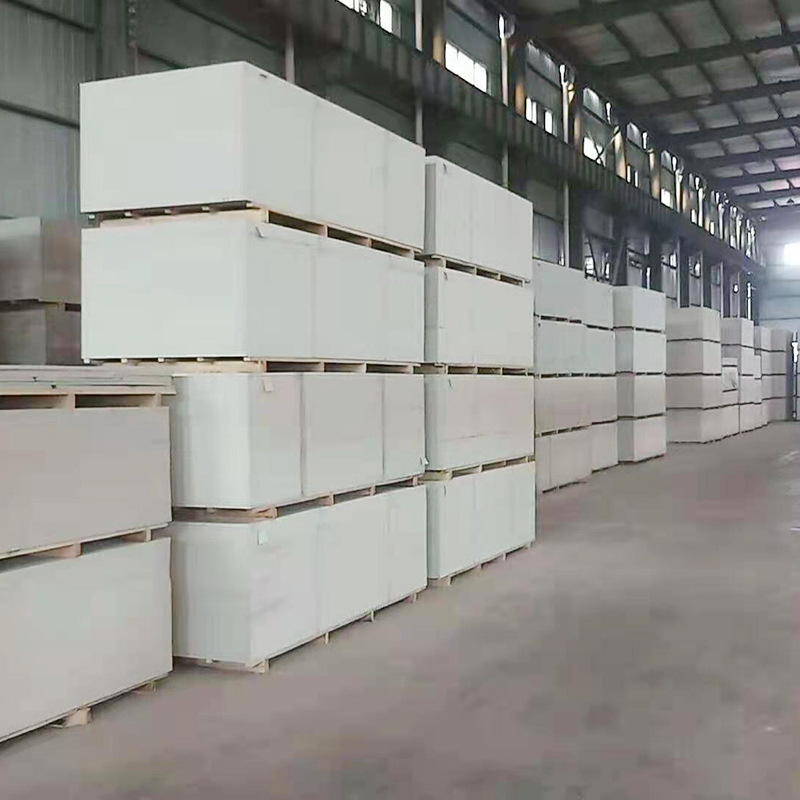
Calcium silicate board has become a highly favored material in many fields such as construction and industry due to its excellent performance, such as fire resistance, moisture resistance, and thermal insulation. For many customers with demand, finding a reliable purchasing channel is crucial. Today, we will introduce a professional supplier of calcium silicate board - Rosewool Insulation Refractory Co.,Ltd.
View More >>
thermal insulation board setup

Installation Method of Calcium Silicate Board: A Step-by-Step Guide for Optimal Results

Calcium silicate board is a high-performance building material prized for its fire resistance, moisture durability, and eco-friendly composition. Whether you’re renovating a home, constructing commercial spaces, or tackling a DIY project, mastering its installation ensures long-lasting, low-maintenance results.
View More >>
zirconium containing ceramic fiber blankets

What are the characteristics and advantages of zirconium containing ceramic fiber blankets, and what is the price of zirconium containing ceramic fiber blankets?

What are the characteristics and advantages of zirconium containing ceramic fiber blankets, and what is the price of zirconium containing ceramic fiber blankets? Zirconium containing ceramic fiber blanket, with its unique formula and excellent performance, has become the preferred choice for kilns, metallurgy, chemical and other scenarios. Its core features and advantages perfectly adapt to the harsh demands of extreme working conditions. Zirconium containing ceramic fiber blanket is a high-performance high-temperature insulation material with characteristics such as high temperature resistance, low thermal conductivity, and strong chemical stability. It is widely used in industrial kilns, thermal equipment, and other fields.
View More >>

Send Enquiry Now

sales@rosewool.com
+86 18538206860
+86 18538206860
Speak To Our Team
Name:
Country :
*Email:
*Phone/Whatsapp:
*Inquiry:
X