Overhaul of power plants: radical solution for peeling off of turbine coating and overheating of SCR insulation gaps
Release Time: 2026-11-24
Share:
During the year-end major maintenance season, the equipment management of power plants has entered a critical period. The peeling and detachment of the steam turbine coating layer and the overheating of the insulation gap in the SCR denitrification system are two major problems that plague the operation and maintenance personnel of power plants. The former concerns the thermal efficiency and equipment safety of the unit, while the latter directly relates to smoke corrosion and environmental standards. Rosewool Insulation Refractory Co.,Ltd., combined with years of engineering experience in serving the power industry, analyzes the root cause of the problem from a professional perspective and provides a cure plan for you.
1、 The peeling off of the steam turbine coating layer is caused by "internal damage" rather than "surface damage"
The peeling and detachment of the plaster layer may appear to be a problem with the fabric, but the root cause lies in the mismatch between the settlement deformation and thermal expansion of the insulation layer.
The temperature of the steam turbine cylinder body is as high as 540-570 ℃, with frequent start stop and severe vibration. Under long-term high temperature, the fiber structure of ordinary ceramic fiber blanket becomes loose, the rebound rate decreases, and the insulation layer gradually settles and becomes hollow. After losing internal support, the plaster layer will crack under its own weight and vibration, and eventually peel off as a whole.
Radical solution: Choosing the right 'inner child' can save 'face'
Inner insulation: choose PLUS blanket instead of ordinary blanket
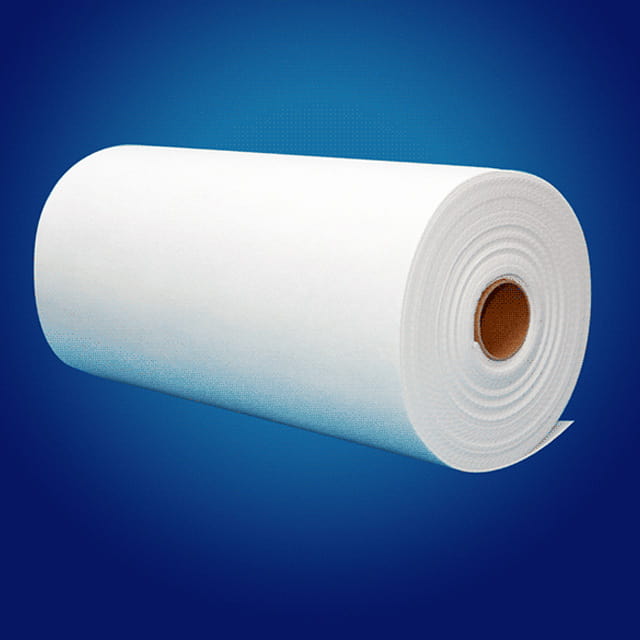
The tensile strength of PLUS blanket is ≥ 110KPa (more than 3 times that of ordinary blanket), the rebound rate is ≥ 85%, and the slag ball content is ≤ 5%. It does not tear or collapse in vibration and high temperature environments, providing long-lasting and stable support for the plaster layer.
The insulation layer should have a staggered seam of ≥ 150mm, with a compression rate controlled at 20% -30%. Each layer should be tied with stainless steel wire mesh to form a complete skeleton and disperse thermal expansion stress.
Outer layer coating: High temperature special coating material
Select high-temperature plastering materials with a temperature resistance of ≥ 600 ℃ and a bonding strength of ≥ 0.15MPa, and apply them in two stages, with a total thickness of 15-25mm, good crack resistance, and adaptability to thermal expansion and contraction of the cylinder body. Reserve expansion joints at the split surface and flange, and fill them with flexible ceramic fiber ropes.
2、 SCR insulation gap overheating: root cause lies in "sealing failure and acidic corrosion"
The flue gas in the SCR area contains SO2, SO3, and ammonia. Once there are gaps in the insulation layer, acidic gases invade and deposit in the insulation layer to form ammonium hydrogen sulfate, which corrodes the equipment casing and causes overheating at the gaps. Ordinary insulation materials age faster in corrosive atmospheres, with gaps becoming larger and forming a vicious cycle.
Radical solution: Corrosion resistance+strong sealing, two pronged approach
Inner anti-corrosion layer: hydrophobic ceramic fiber blanketSelect hydrophobic ceramic fiber blanket (hydrophobicity ≥ 98%) to effectively resist acidic gas erosion and prevent moisture from entering the insulation layer. The high tensile strength of PLUS blanket ensures that the seams do not open under vibration conditions.
Composite aluminum foil or stainless steel foil on the outer side of the insulation layer to form a dense anti-corrosion barrier; The outer protective layer is made of galvanized iron sheet or aluminum sheet, with a smooth overlapping direction. The joints are sealed with sealant to completely block the entry of acidic gases into the channel.
Gap node treatment: ceramic fiber rope+high-temperature sealant
The gaps in reactor flanges, manhole doors, expansion joints, and other areas are filled with flexible ceramic fiber ropes, and the surface is sealed with high-temperature sealant, which can withstand temperatures of 1000-1260 ℃, compensate for thermal displacement, and ensure long-lasting and reliable sealing. 3、 Rosewool Insulation Refractory Co.,Ltd : One stop supplier of insulation materials for your power plant overhaul
As a leading manufacturer of insulation and refractory materials for over 40 years, Rosewool Insulation Refractory Co.,Ltd. provides a complete set of solutions for power plant maintenance:
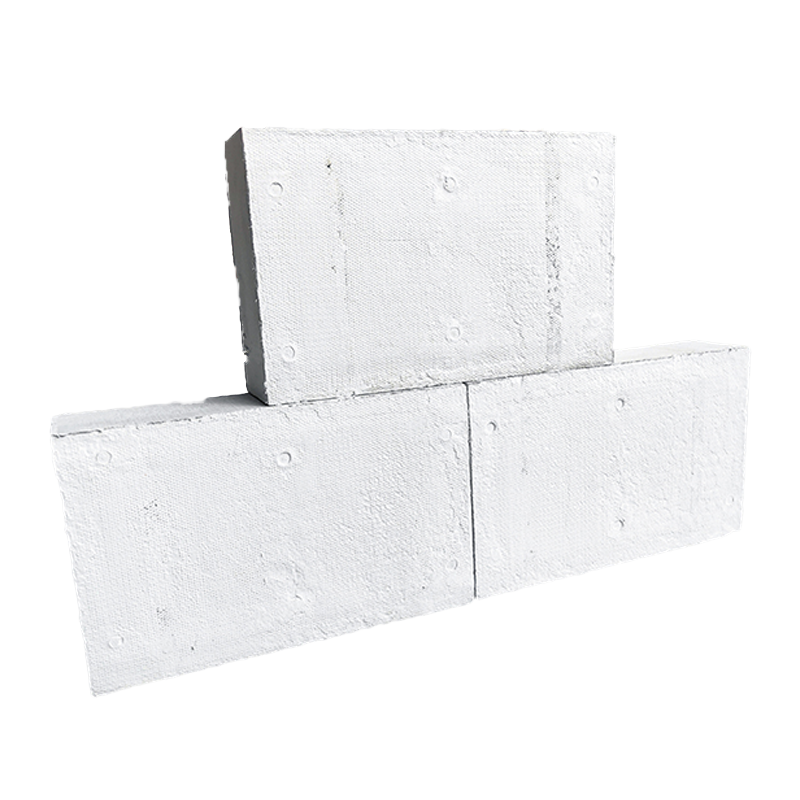
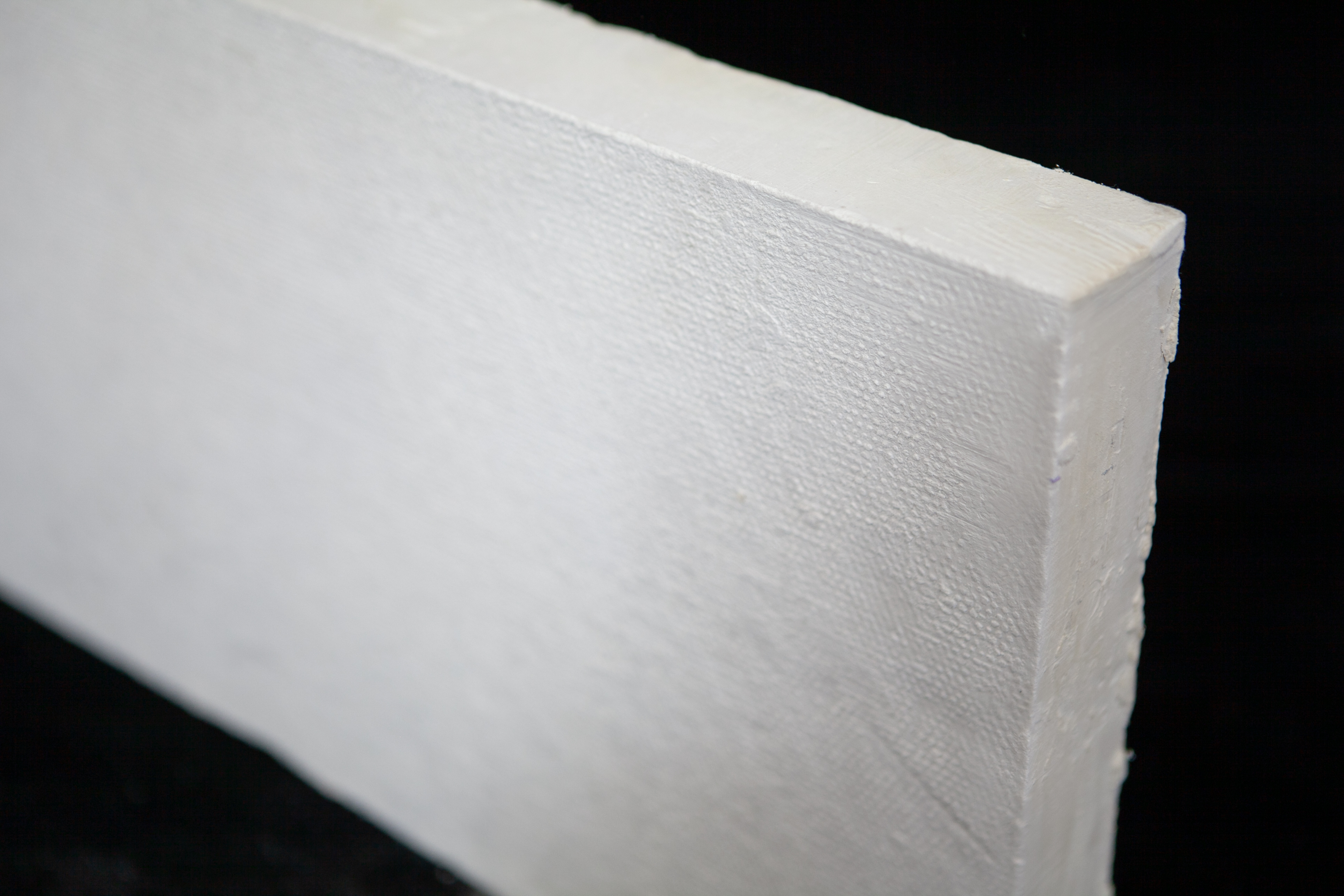
Product range: PLUS blanket, ceramic fiber blanket, hydrophobic ceramic fiber blanket, high-temperature plastering material, ceramic fiber rope, calcium silicate board, nano insulation board, aluminum foil composite products, one-stop matching, no need for multiple purchases
High cost-effectiveness: Directly supplied by the source manufacturer, eliminating intermediate links, offering better prices for the same quality, and significant discounts for bulk purchases
Fully qualified: Passed ISO9001 certification, products comply with DL/T 776 power industry standards, and provide third-party testing reports
Rich engineering experience: The product has been successfully applied to steam turbine and SCR insulation projects of multiple power generation enterprises such as Huaneng and Huadian, and the solution has been verified through practice
Technical support is in place: providing insulation scheme design, thermal calculation, and installation guidance to help you accurately select materials, standardize construction, and ensure the cure effect
Summary: The key to curing the peeling and detachment of the steam turbine coating layer lies in using PLUS blanket to solve the settlement of the insulation layer; The key to curing SCR gap overheating lies in using hydrophobic materials and aluminum foil sealing to block the corrosion channel. Only by selecting the right materials, ensuring proper sealing, and implementing standardized construction can the results of major repairs be long-lasting and reliable.