The two most common corrosion problems and material selection strategies for SCR external insulation in power plants
Release Time: 2026-11-23
Share:
What are the two most common corrosion problems and material selection strategies for SCR external insulation in power plants? In the SCR denitrification system of power plants, the external insulation of the reactor and flue may seem simple, but it actually faces severe corrosion tests. Once the insulation structure fails, it not only causes a large amount of heat loss, but also leads to equipment corrosion, seriously threatening the safe operation of the unit. Rosewool Insulation Refractory Co.,Ltd. , based on years of power plant engineering practice, will provide you with an in-depth analysis of the two most common corrosion problems encountered in SCR external insulation and their corresponding solutions. 1、 The two most common types of corrosion problems encountered in SCR external insulation
Category 1: Ammonium bisulfate (ABS) deposition and acidic corrosion
This is the most representative type of corrosion in the SCR region. Under the action of the catalyst, SO ₂ in the flue gas is partially converted into SO 3, which reacts with the injected ammonia gas to produce ammonium hydrogen sulfate (NH ₄ HSO ₄). Ammonium bisulfate is liquid in the temperature range of 150-230 ℃ and has strong adhesion and corrosiveness. When the insulation layer is not tightly sealed or there are gaps, the smoke containing ammonium hydrogen sulfate infiltrates into the interior of the insulation layer, liquefies and deposits when the temperature drops, forming a continuous acidic corrosion environment that corrodes the equipment shell and the metal wall under the insulation layer.
Type 2: Corrosion under insulation layer (CUI)
The temperature of the SCR system is high during operation, and it decreases during shutdown. The repeated alternation of hot and cold causes gaps between the insulation layer and the outer protective layer. The moisture in the air and acidic substances in the flue gas invade through these gaps, forming a thin water film on the metal wall, and combining with acidic gases such as SO ₂ and SO 3 to generate sulfurous acid and sulfuric acid, forming severe corrosion under the insulation layer. This type of corrosion has strong concealment and is often discovered only after a large area of insulation layer failure.
2、 Selection of insulation materials to cope with corrosion
In response to the above-mentioned corrosion issues, the SCR external insulation material needs to meet four requirements simultaneously: high temperature resistance, corrosion resistance, hydrophobicity and moisture resistance, and good sealing performance. Rosewool Insulation Refractory Co.,Ltd. can provide you with the following professional products:
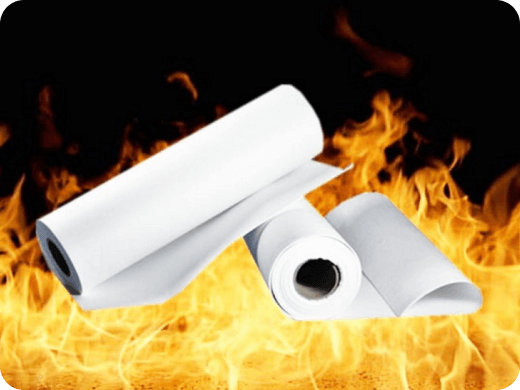
Ceramic fiber blanket - resistant to temperatures ranging from 1050-1430 ℃, Class A non combustible, with good chemical stability, able to resist corrosion from acidic gases such as SO ₂ and SO3. The texture is flexible and can tightly adhere to irregular parts such as SCR reactor shells and flue bends, with few construction joints, effectively reducing the infiltration of corrosive media into channels. PLUS blanket (upgraded type) - tensile strength ≥ 110KPa (more than 3 times that of ordinary blanket), slag ball content ≤ 5%, rebound rate ≥ 85%. In the high-temperature vibration environment of the SCR area, construction is not easy to tear, long-term vibration does not pulverize, the insulation layer structure is stable, and the risk of gap formation and corrosive medium invasion is greatly reduced.
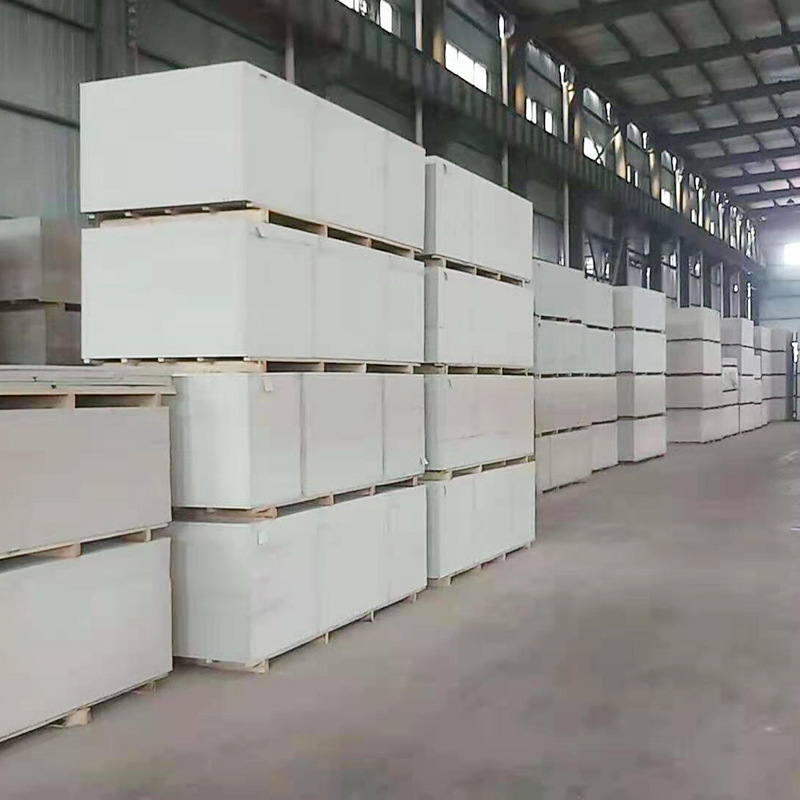
Supporting product - hydrophobic calcium silicate board is used for medium and high temperature flue gas ducts, with a dense anti-corrosion barrier formed by surface composite aluminum foil or stainless steel foil; The matching high-temperature adhesive and sealing tape are used for gap sealing, further improving the anti-corrosion ability of the insulation system.
3、 Reasons for choosing Rosewool Insulation Refractory Co.,Ltd.
As a leading manufacturer of insulation and refractory materials with over 40 years of experience, we provide comprehensive support from materials to construction for the SCR area of power plants
Full range of products: ceramic fiber blanket, PLUS blanket, calcium silicate board, nano insulation board, rock wool, etc. are all available, providing the best combination solution for different temperature zones of SCR
Anti corrosion design: It is recommended to use a composite structure of "inner anti-corrosion blanket+outer aluminum foil composite+metal outer protection" to form multiple anti-corrosion barriers
Fully qualified: Passed ISO9001 certification, products comply with DL/T 776 power industry standards, and provide third-party testing reports
Engineering experience: The product has been successfully applied to multiple power generation enterprises such as Huaneng and Huadian, and the SCR area insulation solution has been verified through practice
Technical support: Provide SCR insulation solution design, thermal calculation, and installation guidance to help you select materials accurately and construct scientifically
What are the two most common corrosion problems and material selection strategies for SCR external insulation in power plants? The corrosion problem of SCR external insulation is rooted in the combined effect of "cracks+acidic medium+moisture". Only by selecting the right insulation materials and doing a good job in sealing design can we fundamentally block the corrosion chain. Rosewool Insulation Refractory Co.,Ltd. is willing to provide reliable thermal and corrosion protection for your SCR system with professional ceramic fiber blankets, PLUS blankets, and supporting products.