Reasons and solutions for overheating of the insulation outer wall of industrial pipelines in power plants
Release Time: 2026-11-16
Share:
What are the reasons and solutions for overheating of the insulation outer wall of industrial pipelines in power plants? In the operation of power plants, overheating of the insulation outer wall of industrial pipelines is a common but not negligible problem. If the outer wall temperature exceeds the design value (usually required to be ≤ 50 ℃), it not only means that a large amount of heat is lost and energy consumption increases, but also poses a safety hazard of personnel burns. Rosewool Insulation Refractory Co.,Ltd. combines years of power plant engineering practice to systematically sort out four major reasons and corresponding solutions for you. 1、 Four major reasons for external wall overheating
Category 1: Aging and performance degradation of insulation materials (highest proportion)
Ceramic fiber blanket, calcium silicate tube shell and other materials operate at high temperatures for a long time, and the fiber structure gradually crystallizes and pulverizes. The thermal conductivity may increase from the initial 0.04W/(m · K) to above 0.10W/(m · K), and the insulation performance drops sharply. Especially in high-temperature areas such as main steam pipelines and reheat pipelines, the material aging rate is faster.
Category 2: Moisture or water ingress in the insulation layer
Water is a good conductor of heat, with a thermal conductivity (approximately 0.6 W/(m · K)) that is 23 times that of still air. Once the outer protective layer seal fails, rainwater, condensed water, or flushing water seeps into the insulation layer, and the insulation performance deteriorates sharply. Commonly found in outdoor pipelines, flues, desulfurization systems, and other areas.
Category 3: Defects in insulation structure design and thermal bridges
Insufficient thickness: The actual working conditions were not fully considered during the design and selection process, or the insulation layer was not upgraded synchronously after the unit capacity was increased
Untreated thermal bridge: metal parts such as supports, hangers, flanges, valves, etc. penetrate the insulation layer and are directly connected to the shell, and heat is conducted directly through the metal
Poor seam: The insulation blocks are not staggered or filled, forming a straight seam, and heat leaks from the gap
Category 4: Construction Quality Issues
Construction defects such as loose insulation layer wrapping, inadequate bundling, incorrect overlapping direction of outer protective layer, and failure to reserve expansion joints according to specifications can all lead to overall damage to the insulation system and the formation of local overheating points.
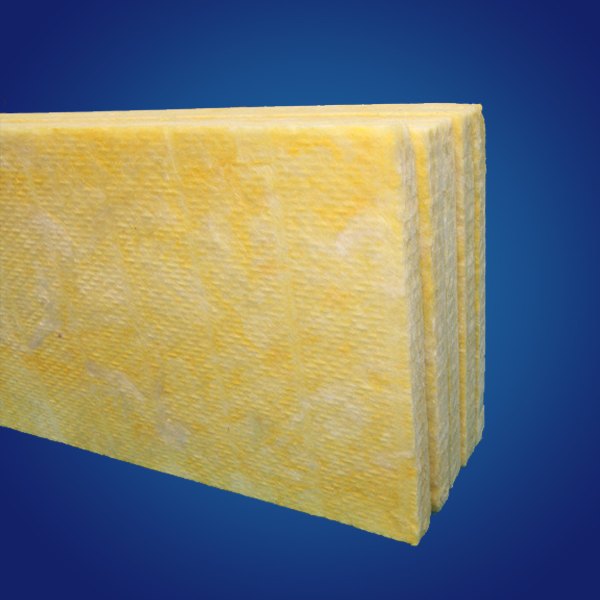
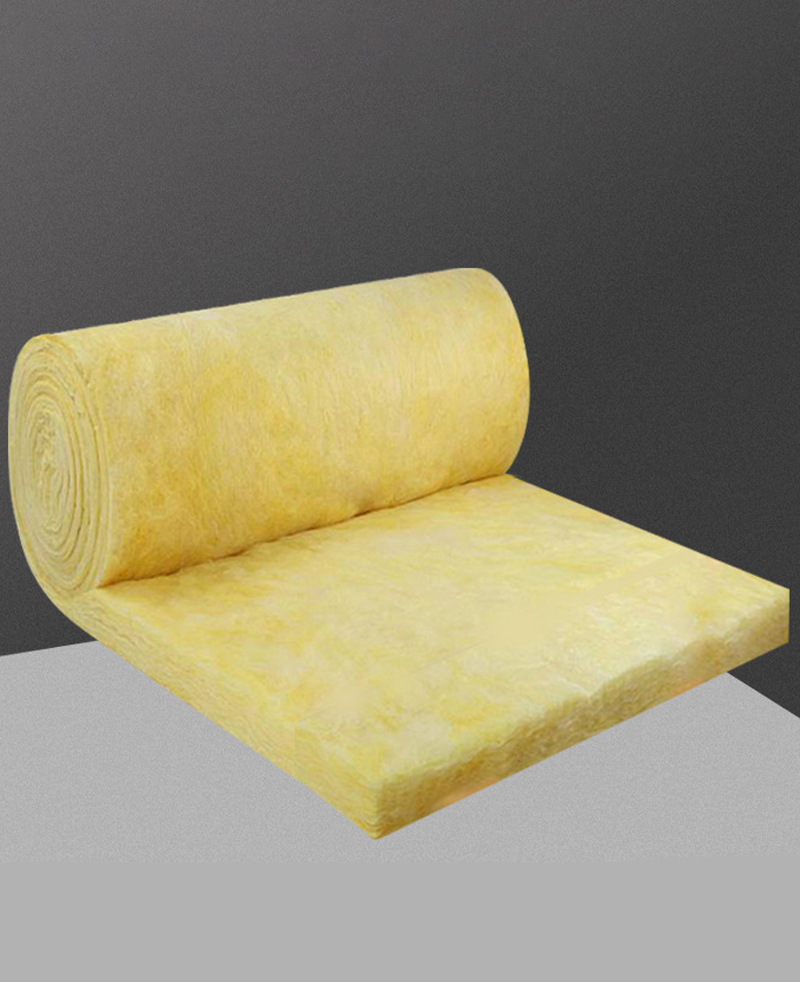
Replace the insulation material with higher temperature resistance and better aging resistance PLUS blanket (tensile strength ≥ 110KPa, slag ball ≤ 5%, lifespan 2-3 times that of ordinary blanket)
2. Moisture and water ingress
Selecting hydrophobic materials and improving the outer protective seal
Hydrophobic ceramic fiber blanket (hydrophobicity ≥ 98%)+aluminum foil composite+metal outer cover
3. Thermal bridge and insufficient thickness
Re perform thermal calculations, install insulation gaskets, and increase insulation thickness
Nano insulation board (thermal conductivity only 1/3-1/5 of traditional materials, ultra-thin and efficient)+high-density PLUS blanket
4. Construction defects
Standardize construction techniques, strengthen joint sealing and bundling Ceramic fiber rope (flexible sealing with irregular gaps)+high-temperature adhesive+stainless steel wire mesh
What are the four major causes and solutions for overheating of the insulation outer wall of industrial pipelines in power plants? The root cause of the overheating of the outer wall of the pipeline lies in the combined effect of "insulation layer failure+thermal bridge+construction defects". Only by selecting the right materials, ensuring proper sealing, and implementing standardized construction can we fundamentally solve the problem. Rosewool Insulation Refractory Co.,Ltd. is willing to provide efficient and durable insulation protection for your power plant pipeline system with professional insulation products and rich engineering experience.