Rosewool Insulation Refractory Co.,Ltd.

Your Position: Home > About us > News > Industry Knowledge

What are the advantages of electrolytic cell insulation rock wool board over glass wool board?

Release Time: 2026-03-10
Share:
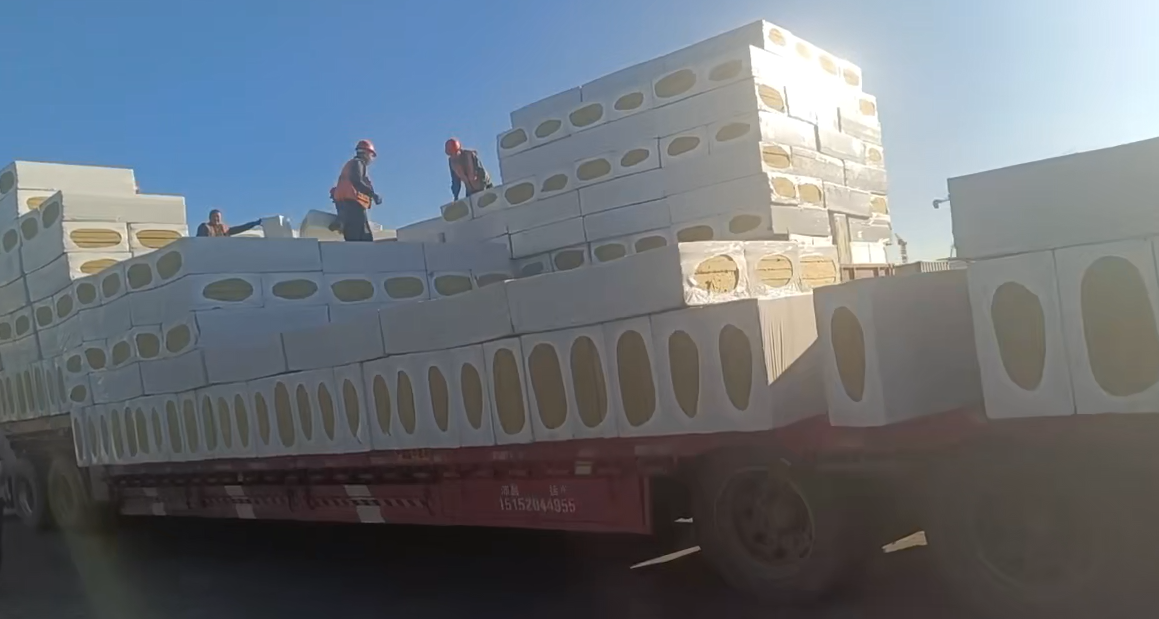
Electrolytic cell insulation rock wool board? In the field of industrial insulation, Rock Wool Board is often used for insulation engineering of electrolytic cells (especially aluminum electrolytic cells, chlor alkali electrolytic cells, etc.). In the scenario of high temperature, strong corrosion, and high fire resistance requirements in electrolytic cells, rock wool often has advantages over glass wool and is a more mainstream choice. In the insulation application of electrolytic cells (especially high-temperature industrial equipment such as aluminum electrolytic cells and magnesium electrolytic cells), rock wool board has significant advantages over glass wool board. This is mainly due to the fundamental differences in raw materials, fiber structure, and physicochemical properties between the two.
                                                                                

What are the differences between rock wool board and glass wool board?

1. Temperature resistance performance: rock wool surpasses all others
Rock wool board:
Melting point: usually above 1000 ° C.
Long term use temperature: up to 600 ° C-700 ° C (some special rock wool can reach 800 ° C).
Performance: Does not shrink, melt, or decompose at high temperatures, and can maintain structural stability for a long time.
Glass wool board:
Melting point: usually around 600 ° C-700 ° C.
Long term use temperature: generally limited to 250 ° C-400 ° C (slightly higher for ultra-fine glass wool, but also difficult to exceed 500 ° C).
Risk: If used in high-temperature areas of electrolytic cells, glass wool is prone to shrinkage, brittleness, and pulverization due to overheating, resulting in voids in the insulation layer, a sharp increase in heat loss, and even potential safety hazards.
2. Compressive strength and load capacity: Rock wool is superior
Rock wool board:
High density: The commonly used density is 80kg/m ³ -160kg/m ³.
High strength: It has extremely high compressive and tensile strength, is not easily deformed, and does not collapse. Even under long-term pressure, it can maintain thickness and ensure sustained insulation effect.
Glass wool board:
Low density: The commonly used density is 30kg/m ³ -60kg/m ³.
Soft texture: weak compressive strength. Under long-term heavy pressure or vibration, compression deformation is prone to occur, resulting in thinning of the insulation layer, decreased thermal resistance, and greatly reduced energy-saving effect.
3. Chemical stability and corrosion resistance: Rock wool is stronger
The environment of the electrolysis workshop is complex, often accompanied by acidic gases (such as hydrogen fluoride, chlorine gas) or alkaline dust, and there may be a risk of electrolyte leakage.
4. Fire and safety rating: Both are rated as A, but rock wool is more stable
Common point: Both belong to Class A non combustible materials.
Advantages of rock wool: Due to its higher melting point, rock wool can maintain its integrity better in extreme fires or local overheating of electrolytic cells (such as high temperatures caused by the "anode effect"), and will not soften and drip at extremely high temperatures like glass wool (although glass wool is not flammable, its physical stability is not as good as rock wool).
5. Lifespan and maintenance costs
Rock wool board: Due to its high temperature resistance, compression resistance, and corrosion resistance, it has a longer service life and does not require replacement of the insulation layer during the overhaul cycle of the electrolytic cell (usually several years), resulting in low maintenance costs.
Glass wool board: It is prone to aging and failure in high temperature and high pressure environments, and may require more frequent inspection and replacement. In the long run, the overall cost may be higher.
6. Hydrophobicity and moisture resistance: Rock wool is more suitable for harsh environments
There may be water vapor, cleaning operations, or condensation around the electrolytic cell.

Technical Parameters

Performance Indicators
Shot content ( Particle diameter ≥0.25mm) ≤ 12.0 %
The average diameter of fiber  ≤7.0 μm
Density Tolerance  ± 15%
Thermal Conductivity ( average temperature 70℃±52℃),W/(m/K)  ≤ 0.044
Thermal load contraction temperature (more than 60kg/m3)  ≤ 600 ℃
Moisture  ≤0.5%
Combustion performance Not burning (Class A)
Organic content  ≤ 4.0%


What are the advantages of electrolytic cell insulation rock wool board over glass wool board? When selecting rock wool, it is necessary to specify industrial grade products with high density (≥ 100kg/m ³), high hydrophobicity, and high temperature resistance to ensure the safe and efficient operation of the electrolytic cell. Choosing insulation materials requires a deep understanding of the process and assurance of long-term stability. Rosewool Insulation Refractory Co.,Ltd. can provide you with high-strength and heat-resistant rock wool boards specifically for electrolytic cells, and offer a full process service from selection to on-site guidance. If you have specific insulation projects for electrolytic cells, please feel free to contact us at any time to provide you with professional material solutions.

 

Also Read

calcium silicate tube shell

How much is the cost of calcium silicate tube shell? Is there a charge for the density of calcium silicate tube shell?

How much is the cost of calcium silicate tube shell? Is there a charge for the density of calcium silicate tube shell? Calcium silicate pipe shell is mainly made of calcium oxide and quartz sand as raw materials, with added reinforcing fibers to ensure strength and toughness. Therefore, calcium silicate pipe shell has the characteristics of high strength, low construction loss, long-term heat resistance without deformation, and long service life. The price of calcium silicate tube shells varies greatly due to factors such as density, temperature resistance level, specifications, and purchase quantity;
View More >>
aluminum silicate

The leading manufacturer of aluminum silicate needle punched felt and ceramic fiber felt, providing strong support for insulation and fire resistance needs

In many fields such as industrial production and construction engineering, insulation and refractory materials have always played a crucial role, and aluminum silicate needle punched felt and ceramic fiber felt are among the best, highly favored for their excellent performance. Today, we will focus on a source factory specializing in the production of such products - Rosewool Insulation Refractory Co.,Ltd, exploring its strength and craftsmanship in the production of aluminum silicate needle punched blankets and ceramic fiber blankets. ​
View More >>

How to Install Ceramic Fiber Board: A Comprehensive Guide

Ceramic fiber boards are highly sought - after in industries such as industrial furnaces, kilns, and power plants due to their remarkable heat resistance, excellent thermal insulation, and fireproof properties. However, to fully harness their capabilities and ensure long - term performance, proper installation is of utmost importance. This article provides a detailed step - by - step guide on how to install ceramic fiber boards effectively.
View More >>

Send Enquiry Now

sales@rosewool.com
+86 18538206860
+86 18538206860
Speak To Our Team
Name:
Country :
*Email:
*Phone/Whatsapp:
*Inquiry:
X