Why does the temperature of the equipment casing in thermal power plants far exceed the design value
Release Time: 2026-10-12
Share:
Why does the temperature of the equipment casing in thermal power plants far exceed the design value, causing local overheating and infrared temperature measurement exceeding the standard? The equipment shell of thermal power plants is "hot to the touch" and the infrared temperature measurement exceeds the standard, usually not simply "the shell is hot", but a comprehensive manifestation of increased internal losses, increased contact resistance, deteriorated heat dissipation conditions, or external heat conduction. When making a judgment, focus on whether it is a uniform overall temperature rise or a local hotspot; Whether it changes with the load; Whether accompanied by vibration, abnormal noise, burnt smell, or discoloration.
The partial overheating and excessive infrared temperature measurement of the equipment shell in thermal power plants are often related to the aging, damage, moisture and thermal bridging of the insulation layer. Rosewool Insulation Refractory Co.,Ltd. is deeply involved in the thermal insulation and refractory matching of power plants. It can provide products such as calcium silicate board/pipe shell, ceramic fiber blanket, nano insulation board, rock wool products, and steam turbine special coating materials, which are suitable for steam pipelines, valve flanges, boiler flue gas ducts, steam turbine cylinder bodies, and other parts. The design shell temperature refers to the temperature of the outer protective surface of the insulation layer, not the temperature of the internal metal base material. The function of insulation is to block the heat of the high-temperature equipment body and control the outer wall at the design temperature. Under normal circumstances, the insulation layer should "lock" the heat inside the equipment, and the shell temperature should be controlled within a safe range (usually ≤ 50 ℃). What are the most common reasons why the temperature of the equipment casing far exceeds the design value?
1. Damage, detachment, and compression thinning of the insulation layer
-Construction defects: large gaps in insulation cotton splicing, insufficient overlap, loose binding wire; Long term operation vibration (fan, flue vibration) can cause the insulation layer to sink and partially hollow out.
-Material degradation: Aluminum silicate/rock wool undergoes long-term high-temperature shrinkage, pulverization, and moisture hardening, resulting in a surge in thermal conductivity and a significant decrease in insulation capacity;
-The outer protective plate (color steel plate/aluminum sheet) is damaged and water enters. After insulation and water absorption, the thermal conductivity will increase several times, and the heat will be directly conducted to the outer shell, causing local overheating. 2. Thermal bridge effect (metal cold bridge, very typical)
The fixed insulation "metal fasteners, supports, brackets, bolts, and welding nails" directly penetrate the insulation layer from the high-temperature equipment body. The metal conducts heat quickly, and the heat flows through the metal components directly to the outer casing, forming a point/strip high-temperature zone. Infrared imaging shows high-temperature spots and lines one by one. 3. Insufficient insulation thickness and incorrect selection
-Bidding/construction secretly reduces the insulation thickness, and the actual thickness does not meet the requirements of the design drawings;
-The temperature resistance level of the material has been selected as low, and the material will age and fail under long-term high temperature;
-Irregular parts (elbows, valves, flanges, manholes, supports) are construction difficulties, often with simplified insulation and insufficient thickness, making them high-risk areas for excessive temperature measurement. 4. Seam and opening heat leakage
The sealing of manhole doors, inspection holes, flanges, expansion joints, and wall penetrations is not tight; The gap is not filled with fire-resistant sealant, and high-temperature flue gas radiation and convection directly enter the outer insulation layer, causing the shell temperature to soar.
Why does the temperature of the equipment casing in thermal power plants far exceed the design value, causing local overheating and infrared temperature measurement exceeding the standard? Rosewool Insulation Refractory Co.,Ltd. can provide insulation and refractory materials for thermal power plants under all operating conditions, suitable for equipment such as boilers, flues, turbines, and main steam pipelines, to solve problems such as excessive infrared temperature measurement of the shell and large heat dissipation losses.
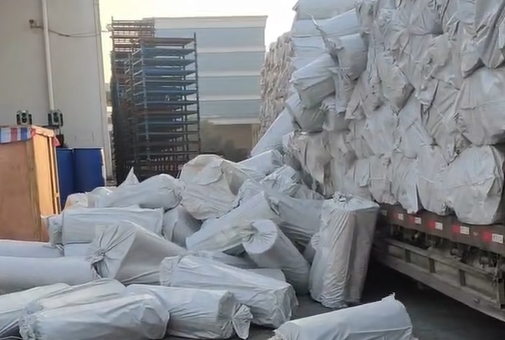
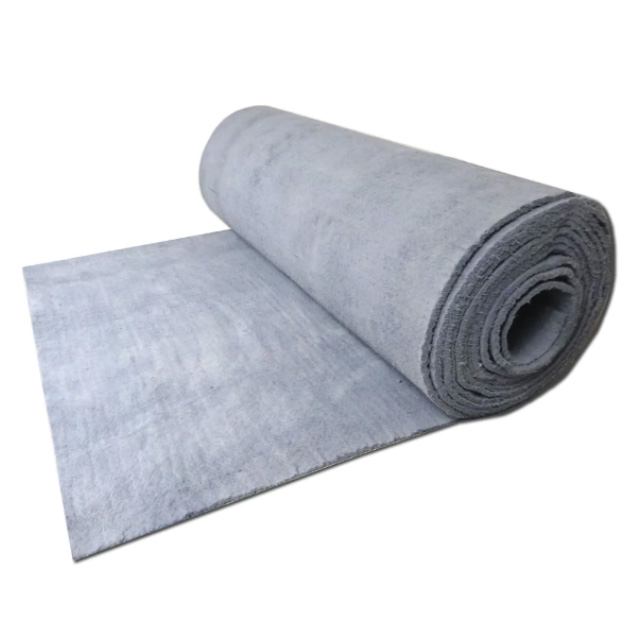
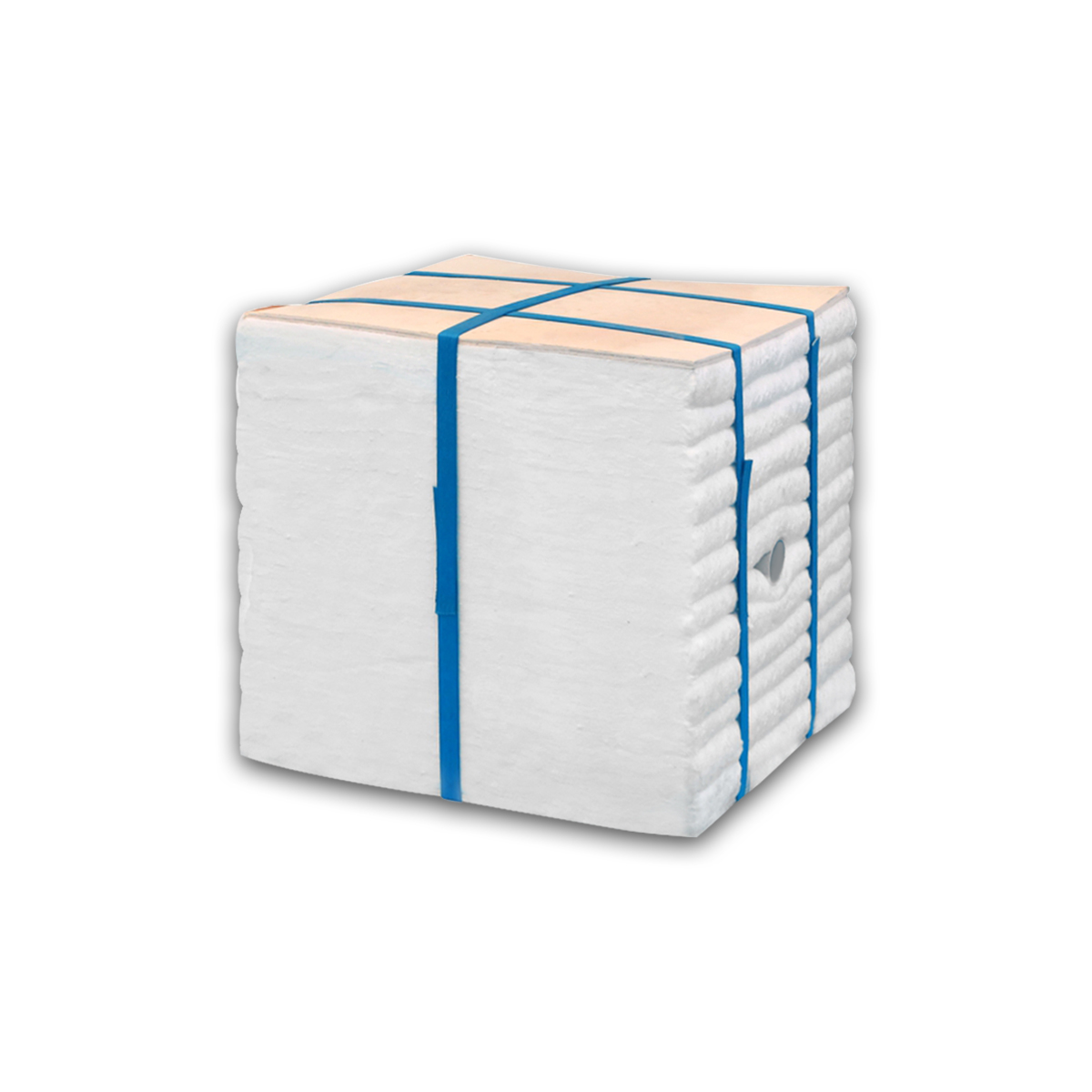
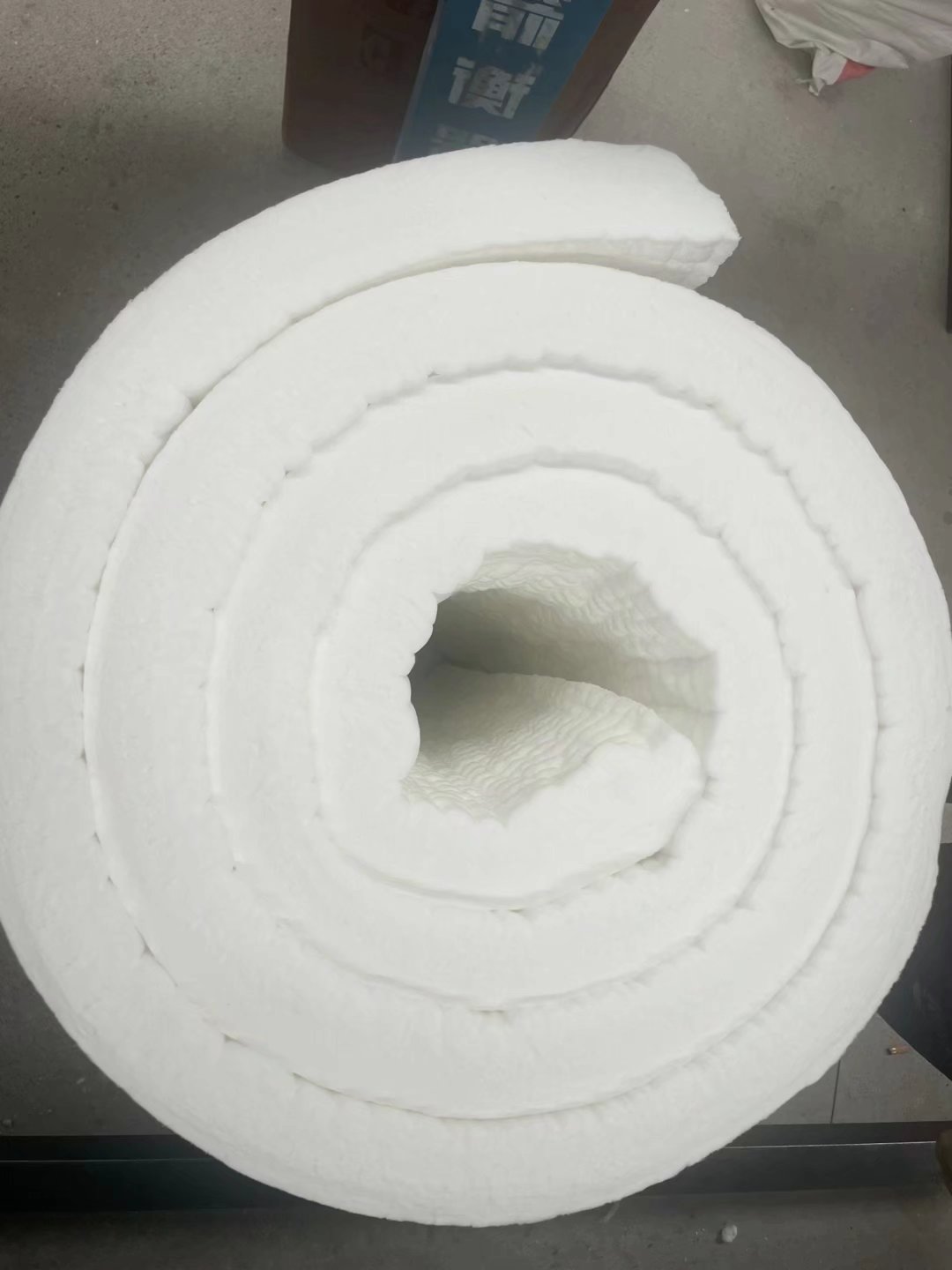
Aluminum silicate needle punched blanket (ceramic fiber blanket) has high temperature resistance and good flexibility, and is used for insulation of the inner lining of boiler flues and high-temperature pipelines. It is resistant to vibration and not easy to crack. Hard calcium silicate board/shell has high strength and is suitable for hard insulation of steam turbine bodies and steam pipelines. It will not deform after long-term use. rock wool board and rock wool pipe shell are Class A non combustible and have excellent water repellent properties. They are used for insulation of medium and low temperature flue gas ducts and equipment outer layers, with high cost-effectiveness.
The thermal conductivity of nano aerogel heat insulation board is extremely low, which is used in ultra-high temperature and narrow space to greatly reduce the surface temperature of the shell. Simultaneously equipped with refractory products such as clay refractory bricks, high alumina aggregates, refractory castables, refractory mud, etc., used for boiler lining and masonry repair. The product can be customized according to the working conditions of the power plant, effectively controlling the temperature of the equipment shell, reducing the coal consumption of the unit, and eliminating the safety hazards of personnel burns.