What is the difference between rock wool roll felt and rock wool board insulation materials for power plants?
Release Time: 2026-06-08
Share:
What is the difference between rock wool roll felt and rock wool board insulation materials for power plants? In the insulation engineering of power plants, although rock wool board and rock wool roll felt have the same raw materials, their shapes determine that they each have their own specialties. You can understand it simply as follows: Rock wool board is a "hard brick" suitable for building walls and paving surfaces; Rock wool roll felt is a "soft cloth" suitable for wrapping irregular shapes.
Based on the working conditions of the thermal system in thermal power plants, the insulation standards for the power industry (DL/T776-2019), and the product characteristics of rock wool products, this article provides a detailed explanation of the differences, applicable scenarios, construction methods, and power plant selection recommendations between rock wool roll felt and rock wool board. The two materials are the same (basalt based rock wool, Class A non combustible, long-term use temperature ≤ 350 ℃, suitable for conventional steam, flue gas, and hot water pipeline conditions in power plants), and the core differences are concentrated in four dimensions: morphology, mechanical properties, compatible components, and construction technology. Specific application scenarios of rock wool roll felt and rock wool board in power plants
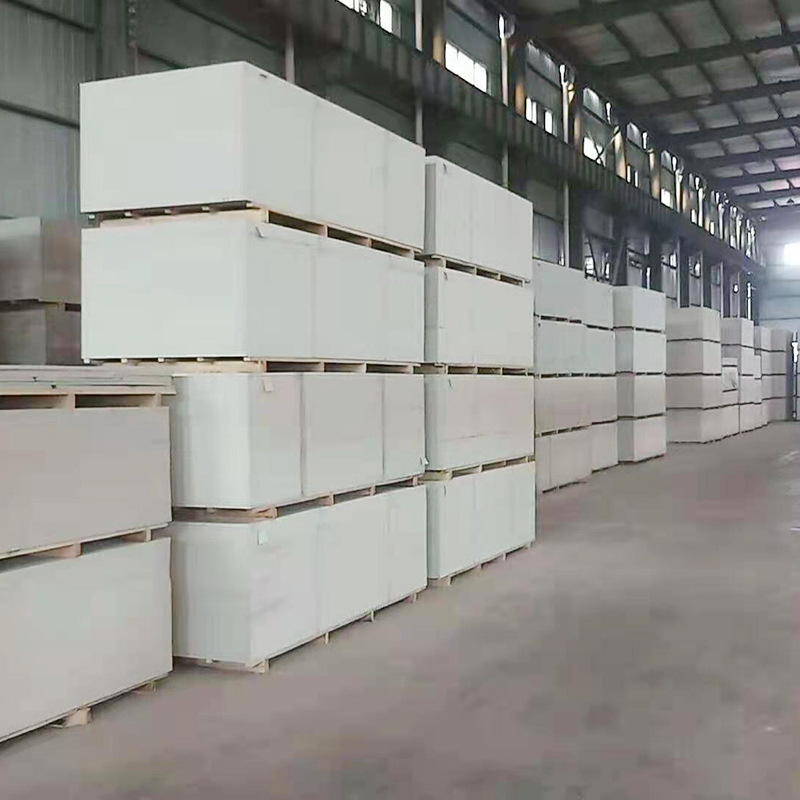
The application of rock wool board "home field":
Boiler body and flue: used as insulation layer for flat surfaces such as boiler walls, large windboxes, and main flue.
Steam turbine body: used for insulation of the upper and lower cylinder bodies of the high and intermediate pressure cylinders of the steam turbine, utilizing its high strength to maintain shape stability.
The application of rock wool roll felt is the main field:
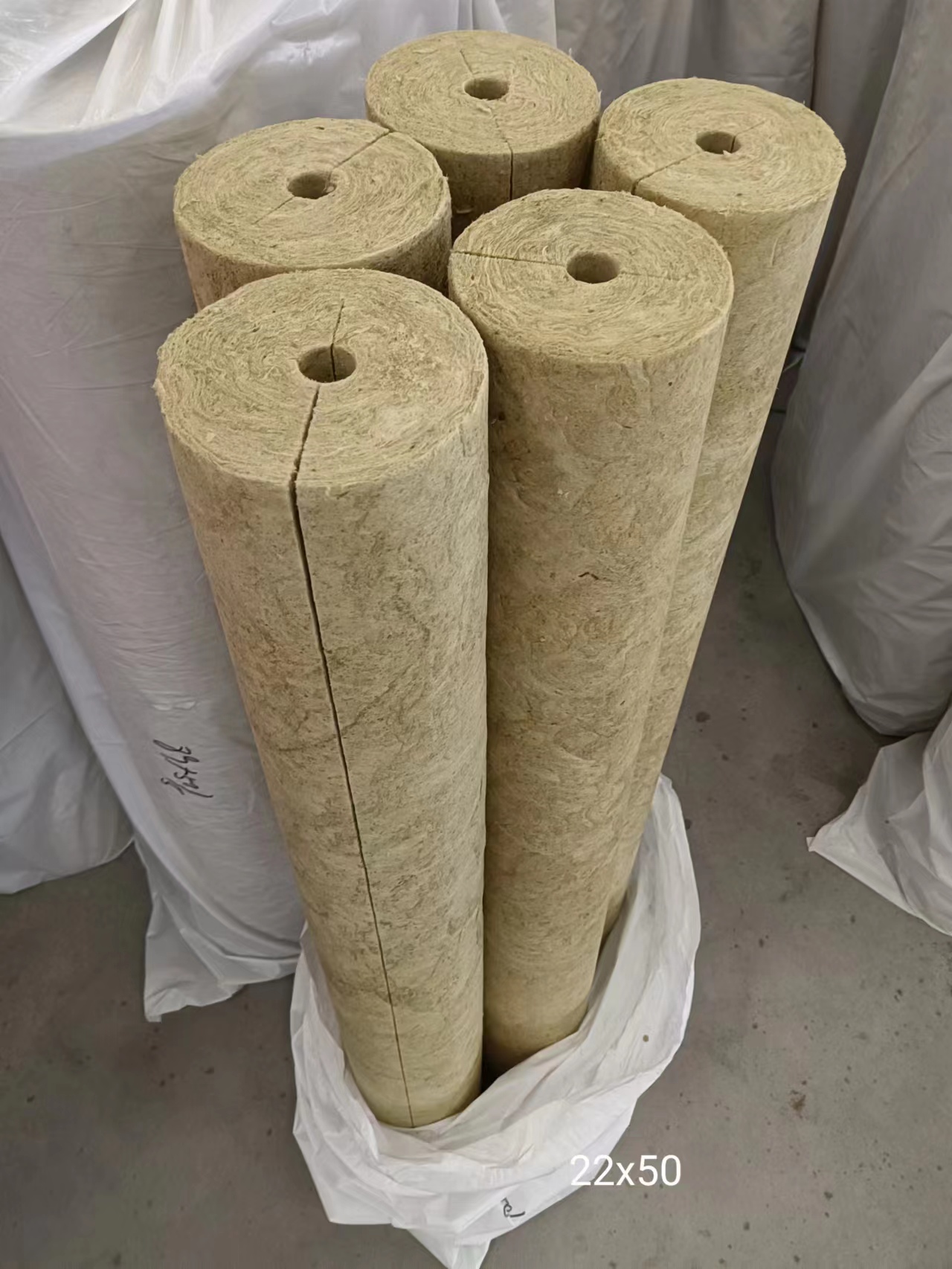
The preferred insulation material for the four major pipeline systems: main steam, reheated steam, main feedwater, etc. Due to its flexibility, it can perfectly fit the pipe wall and has high construction efficiency.
Valves, elbows, and irregular parts: These are the most advantageous areas where rolled felt can easily wrap complex shapes, ensuring insulation without dead corners.
What is the difference between rock wool roll felt and rock wool board insulation materials for power plants? In summary, when selecting insulation materials for power plants, a reasonable combination is usually made based on the shape of the equipment surface (flat board selection, curved surface/pipe felt selection) and the specific requirements of the construction environment. It is crucial to choose a source manufacturer with stable production capacity and complete qualifications, such as Rosewool Insulation Refractory Co.,Ltd., to ensure timely supply and provide full process technical support from selection to construction.