What is the temperature resistance level requirement for the plastering material used in power plants?
Release Time: 2026-11-02
Share:
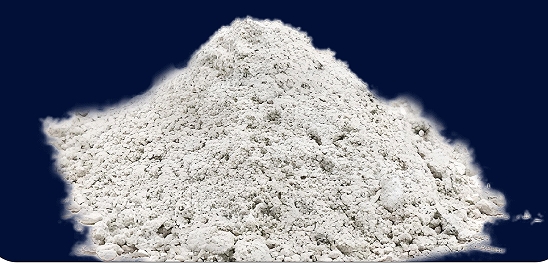
What is the temperature resistance level requirement for the plastering material used in power plants? The power plant plaster belongs to the "outer protective layer of the insulation layer", not the refractory lining. The temperature resistance of the plaster calibration needs to be higher than the hot surface temperature of the inner insulation layer, with a safety margin reserved. All requirements include A1 level non flammability, low loss on ignition, thermal shock resistance, vibration resistance, no cracking, and no corrosion of the base material. Requirements for temperature resistance level of plastering in various areas of the power plant
1. "Turbine body, main steam valve, steam guide pipe, high-temperature steam pipeline (350-580 ℃)"
Long term temperature resistance recommendation for plastering: "600 ℃ level" (mainstream, also the largest usage for power plant overhaul); Start stop alternation and high vibration, priority should be given to flexible fiber modified plastering fabric, and ordinary perlite plastering should not be used, as it is prone to cracking and peeling. 2.Boiler wall, economizer, high-temperature flue, and superheater area (580-750 ℃)
Long term temperature resistance recommendation for plastering: "800 ℃ level", resistant to smoke and heat shock, and resistant to wet dry alternation. 3. "Furnace near the wall, furnace top sealing, high temperature header, and local overheating points (750-1000 ℃)"
Long term temperature resistance recommendation for plastering: "1000 ℃ high-temperature plastering/plastic plastering system". 4. Medium and low temperature areas: desalination water pipeline, air duct, condensate water pipeline, SCR denitrification area, induced draft fan casing (≤ 350 ℃)
Long term temperature resistance of plastering: "400-500 ℃ level", focusing on waterproofing, weather resistance, sulfur corrosion resistance, and cost-effectiveness priority.
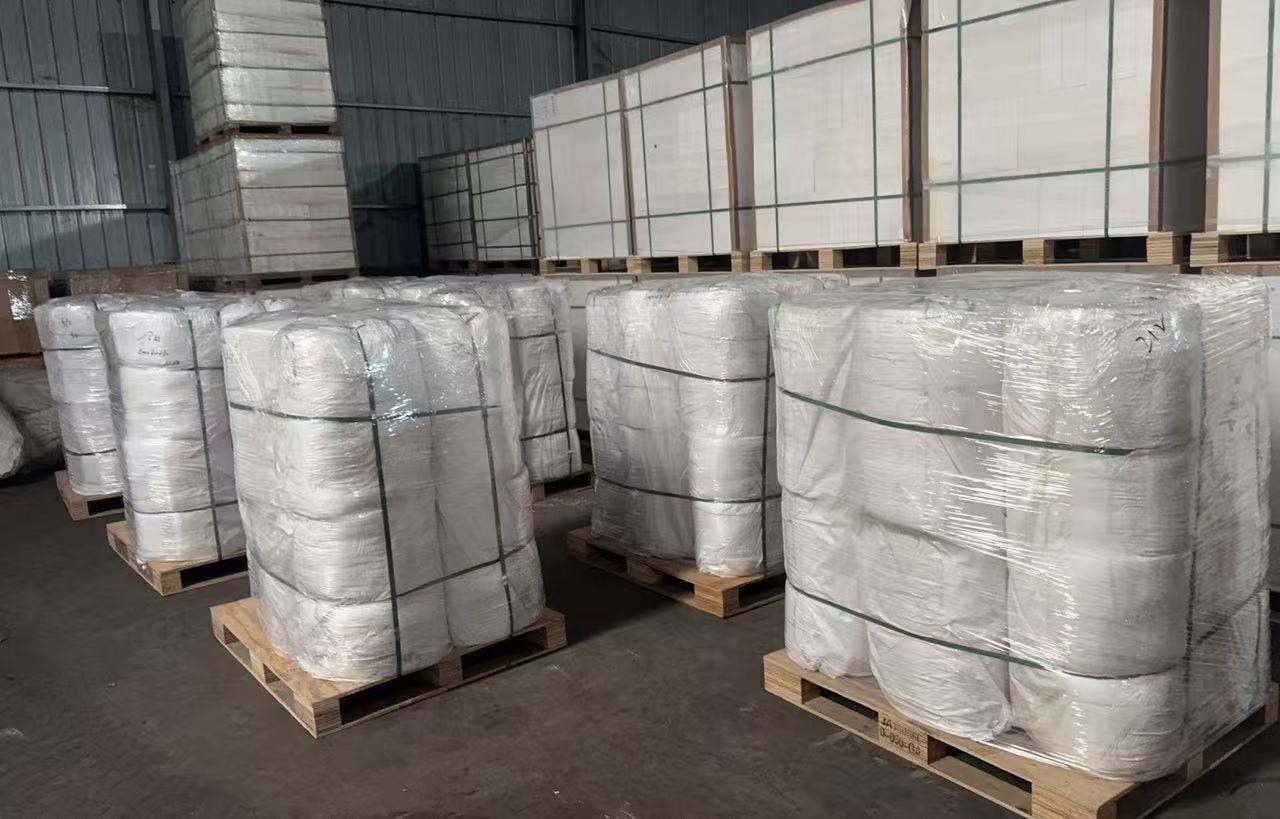
Application of insulation material scheme for Rosewool Insulation Refractory Co.,Ltd. Power Plant: 1. "Turbine cylinder block": xonotlite calcium silicate board (650 – 1000 ℃), the base material is preferred under vibration conditions, and the high-pressure unit can be compounded with "nano aerogel felt" to reduce the insulation thickness and heat dissipation loss. 2. "Valve shell, steam pipe, local high-temperature irregular parts": Rosewool Insulation Refractory Co.,Ltd. PLUS ceramic fiber blanket/board (low slag ball, high tensile strength, thermal shock resistance). 3. "Medium and low temperature pipelines, SCR denitrification area":rock wool board/pipe shell, calcium silicate board. 4. "Furnace top sealing and gap filling": Micro expansion refractory plastic, high-temperature sealing material.
Rosewool Insulation Refractory Co.,Ltd. Power Plant uses multi-level plastering materials that strictly comply with DL/T 776-2019 and DL/T 5072 electrical insulation standards, covering the entire temperature range of thermal power from low-temperature air ducts, steam turbines, boiler walls to furnace top seals; Different from ordinary building plastering, it specifically solves the four major pain points of "vibration, cold and hot alternation, smoke corrosion, and frequent start stop" in power plants. It does not crack or fall off, and has a longer maintenance cycle. At the same time, it can provide inner insulation+plastering supporting materials, technical disclosure, and construction plan support, suitable for the five major power generation groups, self owned power plants, boiler technical renovation, and maintenance projects.