Application of ceramic fiber rope as insulation material in aluminum plants
Release Time: 2026-03-24
Share:
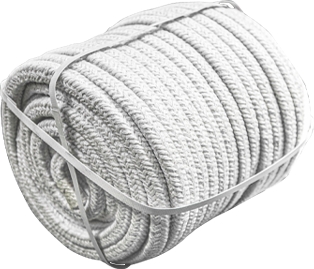
What is the application role of ceramic fiber rope as insulation material in aluminum factories? In aluminum factories (electrolytic aluminum and aluminum processing industries), ceramic fiber rope (also known as aluminum silicate fiber rope) is a key high-temperature sealing and insulation material. Due to the high temperature melt, strong corrosive atmosphere, and complex equipment structure involved in aluminum smelting and processing, ceramic fiber ropes play an irreplaceable role with their unique physical and chemical properties. What are the core components of ceramic fiber ropes used in aluminum factories? 1. Sealing of anode guide rod in electrolytic cell
2. Furnace doors, valves, flange seals
3. Insulation and sealing of high-temperature pipelines
4. Expansion joint filling
5. Sealing of measuring/observation holes
Full range of products: standard type, high aluminum type, zirconium containing ceramic fiber rope, reinforced type available with glass fiber or 304 stainless steel wire
Flexible customization of specifications: diameter 3-50mm, length produced as needed, supporting various structures such as square braided rope, round braided rope, twisted rope, etc
Performance guarantee: Through ISO9001 certification, key indicators such as temperature resistance and tensile strength of the product are stable and reliable
Manufacturer direct supply: source production, significant price advantage, aluminum factory bulk purchase can enjoy discounts
In aluminum plants, ceramic fiber ropes are not only efficient seals, but also the "buffer" and "protective clothing" of furnace structures. It solves the sealing problem under high temperature dynamic working conditions, plays a crucial role in maintaining furnace temperature stability, reducing energy consumption, preventing aluminum liquid leakage accidents, and extending furnace lining life. It is usually recommended to choose ordinary (below 1000 ℃) or high aluminum (above 1200 ℃) products based on the temperature of specific parts to obtain the best cost-effectiveness.