What are the functional effects of calcium silicate board in electrolytic cells?
Release Time: 2025-12-09
Share:
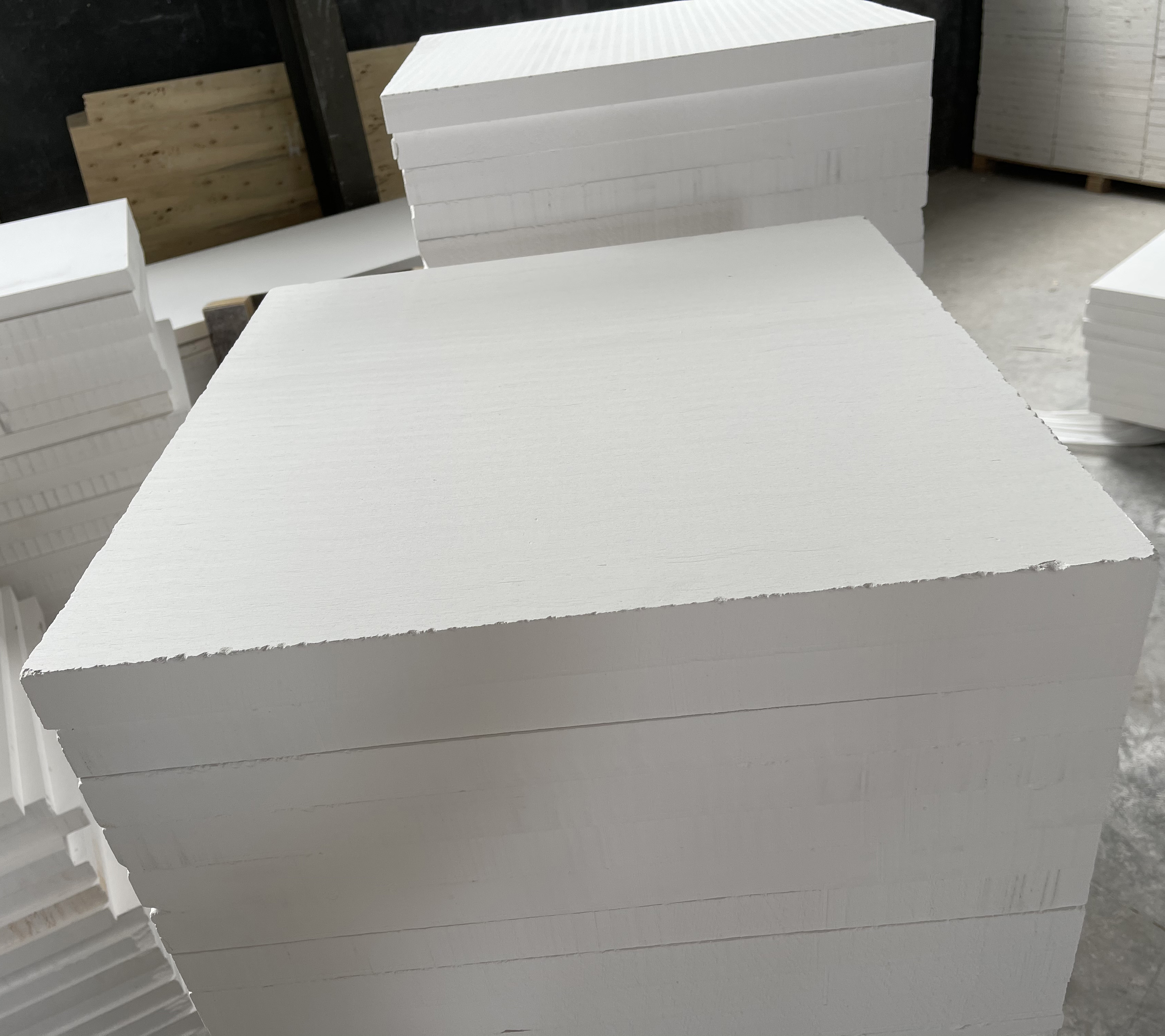
What is the effect of calcium silicate board in electrolytic cell? Calcium silicate board for electrolytic cells can be regarded as the "star material" in the insulation process. It is mainly made of calcium hydroxide and quartz sand, and is carefully manufactured through a series of complex processes such as fine polishing, strict filtration, high-pressure molding, drying and solidification.
Calcium silicate board for electrolytic cells is a special insulation material developed specifically for the working conditions of aluminum electrolytic cells. On the basis of maintaining the excellent characteristics of traditional calcium silicate board, performance optimization has been carried out for the special environment of electrolytic cells.
In the inner lining structure of the electrolytic cell, it can exert multiple core effects such as fire resistance, thermal insulation, structural support, and chemical resistance, and adapt to the usage needs of various electrolytic cells such as electrolytic aluminum and electrolytic copper;
1. Excellent thermal insulation effect
The closed cell structure of calcium silicate board is dense, with low thermal conductivity, which can effectively block the high temperature inside the electrolytic cell from propagating outward. On the one hand, it can reduce heat loss during the electrolysis process, lower production energy consumption, and improve energy utilization efficiency; On the other hand, it can protect the metal shell and accessory equipment outside the electrolytic cell, avoid deformation, aging and other problems caused by high temperature baking, and extend the overall service life of the equipment. 2. Strong structural support and impact resistance
Compared to traditional lightweight refractory materials, calcium silicate board has higher mechanical strength and flexural performance, and can be used as a load-bearing layer or transition layer for electrolytic cell lining. During the operation of the electrolytic cell, it can resist the erosion of electrolyte melt and the impact of material loading, and is not prone to cracking, falling off, etc., ensuring the integrity and stability of the electrolytic cell lining structure. 3. Good chemical resistance
The electrolytic cell will be exposed to corrosive media such as molten electrolyte, acidic and alkaline flue gas for a long time. Calcium silicate board has strong chemical stability and can withstand the erosion of these media, without easily powdering or deteriorating. Especially in electrolytic aluminum tanks, it can effectively resist the penetration and corrosion of cryolite melt, maintaining the protective effect of the lining. 4. Outstanding high temperature resistance and thermal shock resistance
The material has excellent high temperature resistance and can work stably at around 1000 ℃ for a long time, with a small coefficient of thermal expansion. Facing the drastic temperature changes during the start and stop of the electrolytic cell, cracks will not occur due to thermal expansion and contraction, and it can adapt to the periodic temperature fluctuations in electrolytic production. 5. Environmental protection and convenient construction
Calcium silicate board does not contain harmful substances and does not release toxic gases at high temperatures, meeting environmental production requirements; At the same time, the board specifications are unified, and cutting and assembly can be carried out according to the size of the electrolytic cell, which has high construction efficiency and can shorten the maintenance and construction period of the electrolytic cell.
As a refractory material manufacturer, Rosewool Insulation Refractory Co.,Ltd can customize the thickness, density and other parameters of calcium silicate board according to the specific working conditions of the electrolytic cell. Calcium silicate board used in electrolytic cells has good insulation, high temperature resistance, and insulation properties. These characteristics enable it to work stably in the high temperature and high demand environment of aluminum plants, providing strong support for the production and energy conservation of aluminum plants.
Do you need me to organize a selection parameter table for calcium silicate boards in electrolytic cells for you, so that you can match products according to the tank specifications? Rosewool Insulation Refractory Co.,Ltd, with over 40 years of research and development and production experience in calcium silicate board, enjoys rich experience and perfect technical docking business. For detailed understanding of the functional effects, application plans, and sample prices of calcium silicate board, you can consult our online personnel or call our hotline; We have professional technical personnel and complete logistics docking services, with unimpeded sales both domestically and internationally, and a high customer repurchase rate;