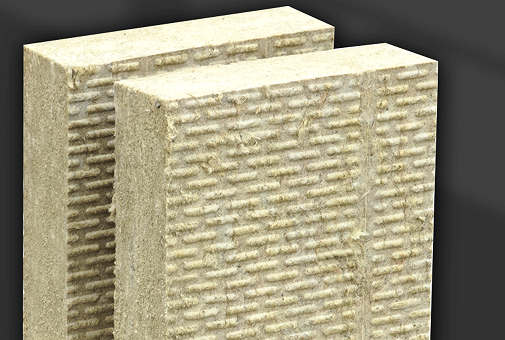
Rosewool Insulation Refractory Co.,Ltd.

Your Position: Home > About us > News > Industry Knowledge

How to Choose High-Quality China rock Wool Board (Rosewool) for Superior Construction Insulation​

Release Time: 2025-07-08
Share:

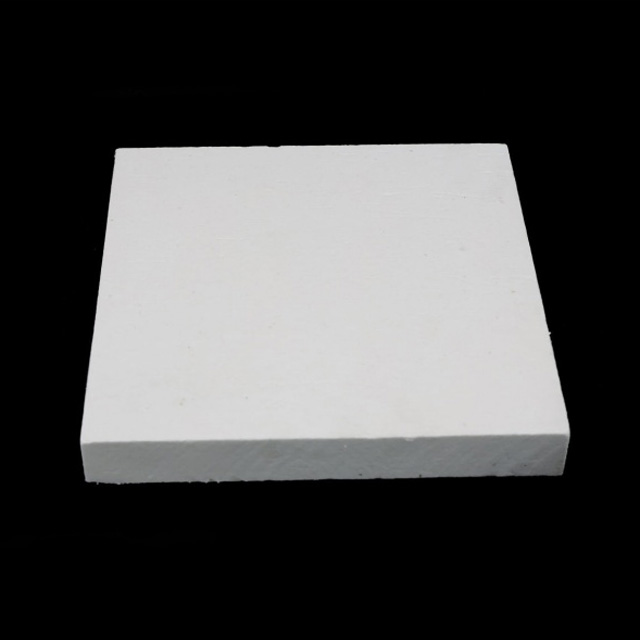
In the global construction and building materials industry, ​rock wool board​ has emerged as a go-to solution for thermal insulation, fire resistance, and acoustic optimization. Among the leading suppliers, ​​China Rosewool​​—a trusted brand specializing in premium rock wool products—has gained international recognition for delivering high-performance, cost-effective insulation solutions. Whether you’re working on a residential, commercial, or industrial project, understanding the benefits, applications, and selection criteria for China Rosewool rock wool boards can help you make informed decisions.
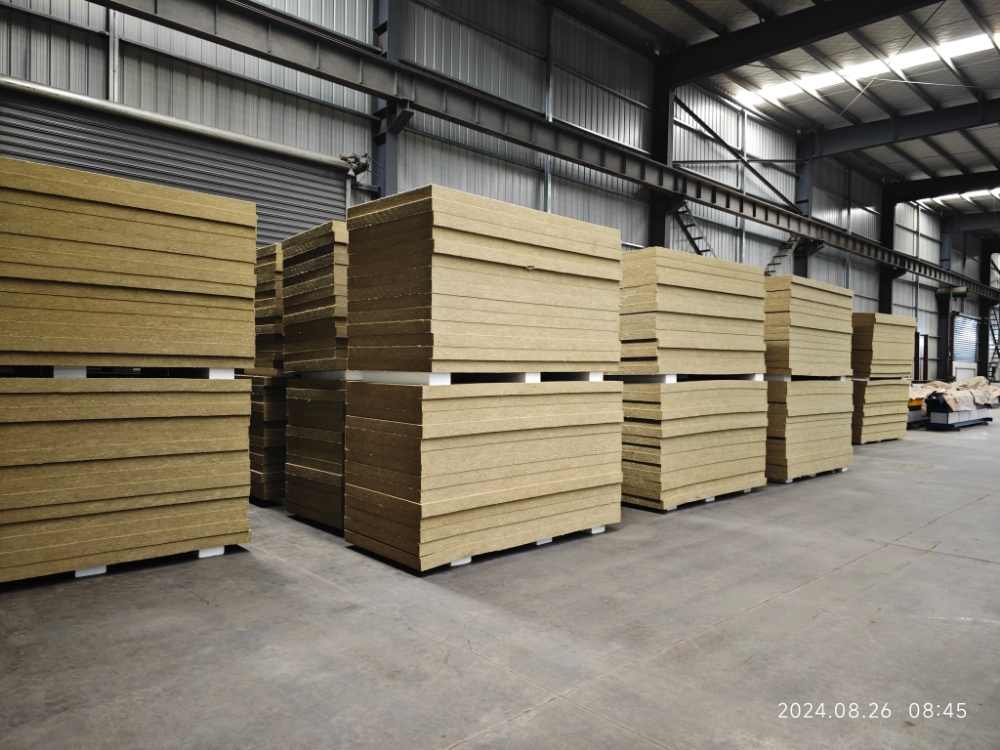

What is Rosewool (rock Wool Board)?

rock wool, also known as mineral wool, is a type of insulation material made from molten basalt (volcanic rock) melted at high temperatures (around 1,450°C) and spun into fine fibers. These fibers are then compressed into dense boards using binders and pressed under controlled conditions. ​​Rosewool​​, a specialized variant, is engineered to enhance thermal efficiency, fire resilience, and durability, making it ideal for modern construction needs.

Key properties of Rosewool rock wool boards include:

  • ​Low Thermal Conductivity​​: Efficiently reduces heat transfer (λ value: 0.038–0.044 W/m·K), keeping buildings cool in summer and warm in winter.
  • ​Fire Resistance​​: Non-combustible (Class A1 fire rating per EN 13501-1), making it a critical component in fire-rated assemblies.
  • ​Sound Absorption​​: Reduces noise transmission (NRC rating up to 0.95), improving acoustic comfort in residential and commercial spaces.
  • ​Moisture Resistance​​: Hydrophobic treatment prevents water absorption, ensuring long-term performance in humid environments.

Why China Rosewool Stands Out in the Global Market

China has become a global hub for rock wool production, thanks to its abundant basalt reserves, advanced manufacturing technology, and commitment to quality. Here’s why ​​China Rosewool​​ leads the pack:

1. ​​Premium Raw Materials & Sustainable Sourcing​

China Rosewool sources basalt from high-purity quarries, ensuring consistent fiber strength and thermal performance. Unlike lower-quality imports, their boards use eco-friendly binders (low volatile organic compounds, VOCs) that comply with strict environmental regulations (e.g., REACH, RoHS).

2. ​​Cutting-Edge Manufacturing​

Equipped with automated production lines, China Rosewool ensures precise control over density (40–200 kg/m³), thickness (30–200mm), and fiber diameter (3–5μm). This consistency minimizes thermal bridging and maximizes insulation efficiency.

3. ​​Internationally Certified Quality​

All Rosewool products undergo rigorous testing to meet global standards:

  • ​Fire Safety​​: Compliant with EN 13501-1 (A1 non-combustible) and ASTM E84 (flame spread index ≤5, smoke developed index ≤450).
  • ​Thermal Performance​​: Certified by ISO 8302 (thermal conductivity testing) and GB/T 10294 (steady-state heat transfer).
  • ​Environmental Compliance​​: Meets ISO 14001 (environmental management) and LEED®-aligned green building criteria.

4. ​​Cost-Effective Solutions​

Thanks to China’s efficient supply chain and economies of scale, Rosewool rock wool boards offer competitive pricing without compromising quality. This makes them a preferred choice for large-scale projects, from high-rise buildings to industrial warehouses.
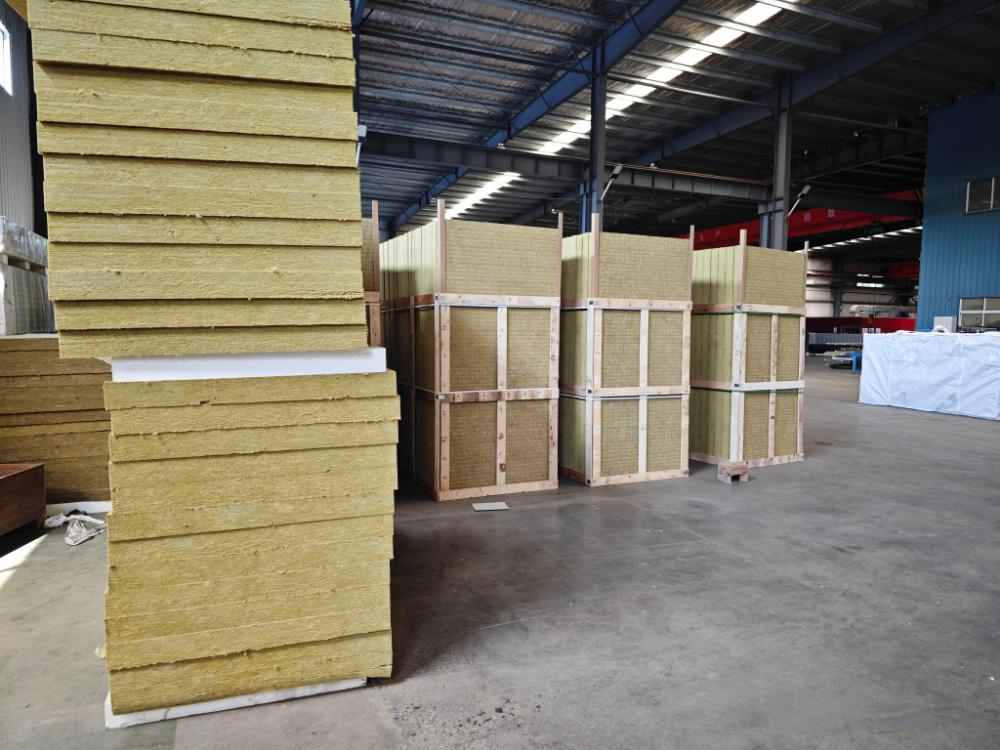

Top Applications of rock Wool Board in Modern Construction

Rosewool rock wool boards are versatile and adaptable to diverse construction needs:

  • ​Roof Insulation​​: Ideal for flat or sloped roofs, reducing energy costs by up to 30% while preventing ice dams and moisture buildup.
  • ​Wall Insulation​​: Used in cavity walls, SIPs (structural insulated panels), and exterior insulation finish systems (EIFS) to enhance thermal envelope efficiency.
  • ​Pipe & Duct Insulation​​: Prevents heat loss/gain in HVAC systems, reducing operational energy and extending equipment lifespan.
  • ​Acoustic Ceilings & Floors​​: Minimizes impact noise (e.g., footsteps) and airborne sound (e.g., voices, music) in offices, schools, and hospitals.
  • ​Industrial Applications​​: Protects pipelines, storage tanks, and machinery from extreme temperatures in refineries, power plants, and cold storage facilities.

How to Choose the Right China Rosewool Supplier?

With numerous suppliers claiming to offer “premium” rock wool boards, here’s how to identify reliable partners:

  1. ​Verify Certifications​​: Ensure the supplier holds internationally recognized certifications (e.g., CE, UL, ISO 9001) to guarantee quality and safety.
  2. ​Request Product Testing Reports​​: Ask for lab results on thermal conductivity, fire rating, and moisture resistance to validate claims.
  3. ​Inspect Factory Facilities​​: A state-of-the-art factory with automated cutting, packaging, and quality control systems indicates precision and consistency.
  4. ​Evaluate Customization Options​​: Leading suppliers like China Rosewool offer tailored solutions (e.g., custom thickness, color, or surface treatment) to meet project-specific needs.
  5. ​Check After-Sales Support​​: Reliable suppliers provide technical guidance, installation manuals, and warranty coverage to address post-purchase concerns.


China Rosewool rock wool boards​ combine cutting-edge technology, sustainable practices, and uncompromised performance, making them a top choice for global construction projects. Whether you prioritize fire safety, energy efficiency, or cost-effectiveness, these boards deliver on all fronts. By partnering with certified suppliers and prioritizing key features like material purity and certification, you can ensure your project benefits from long-lasting, high-performance insulation.
Also Read

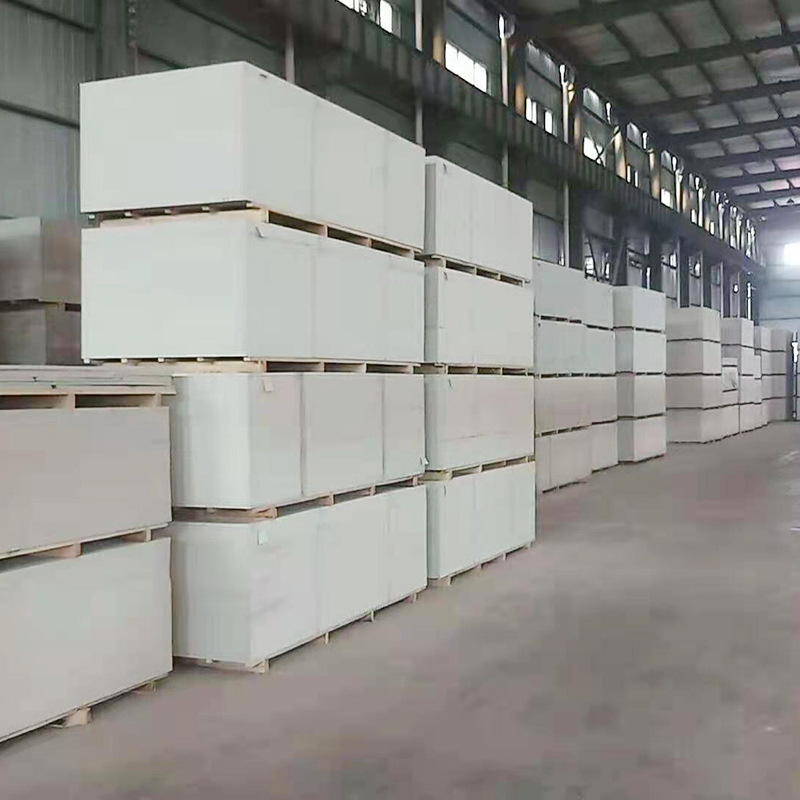
Calcium Silicate Board for fire resistance

What are the Disadvantages of Calcium Silicate Board?

Calcium silicate board, celebrated for its fire resistance, thermal insulation, and durability, has firmly established itself as a staple in construction and industrial applications. However, like any material, it comes with its own set of drawbacks. Understanding these limitations is crucial for architects, contractors, and DIY enthusiasts aiming to make informed decisions for their projects. Here, we delve into the key disadvantages of calcium silicate board.
View More >>
ceramic fiber rope

Cement industry material insulation ceramic fiber rope specifications

What are the specifications for insulation ceramic fiber ropes used in the cement industry? The core of ceramic fiber rope (aluminum silicate fiber rope) used in the cement industry is high temperature resistance, sealing, insulation, and dust resistance. Ceramic Fiber Rope is mainly used for door sealing, expansion joint filling, thermocouple protective sleeves, and sealing of high-temperature pipelines in high-temperature kilns such as rotary kilns, preheaters, and decomposition furnaces. Due to the extremely high temperature and dust erosion in the cement production environment, strict requirements are placed on the material's temperature resistance and wear resistance.
View More >>
How to cut calcium silicate board

How to Cut Calcium Silicate Board: A Step-by-Step Guide for Precision and Safety

Calcium silicate board is a versatile building material prized for its fire resistance, moisture resistance, and durability. Whether you’re renovating a home, constructing a commercial space, or tackling a DIY project, cutting this material accurately is essential for achieving professional results. This guide will walk you through the process of cutting calcium silicate board efficiently while prioritizing safety and precision.
View More >>

Send Enquiry Now

sales@rosewool.com
+86 13674954566
+86 13674954566
Speak To Our Team
Name:
Country :
*Email:
*Phone/Whatsapp:
*Inquiry:
X