Do power plants need ordinary, high aluminum, or zirconium grade insulation materials such as ceramic fiber blankets? Which standard GB/T16400 should be followed for bulk density and thickness?
Release Time: 2026-10-30
Share:
Do power plants need ordinary, high aluminum, or zirconium grade insulation materials such as ceramic fiber blankets? Which standard GB/T16400 should be followed for bulk density and thickness? The ceramic fiber blanket used in power plants cannot simply be said to be "ordinary, high aluminum or zirconium containing", but should be selected according to the long-term working temperature of the hot surface, whether it is in contact with flames/smoke erosion, and the position of the furnace lining (hot surface layer/backing layer); The bulk density and thickness can refer to GB/T 16400, but the specific values are usually determined by the insulation design of power plant boilers/turbines, bidding documents, or owner technical agreements.
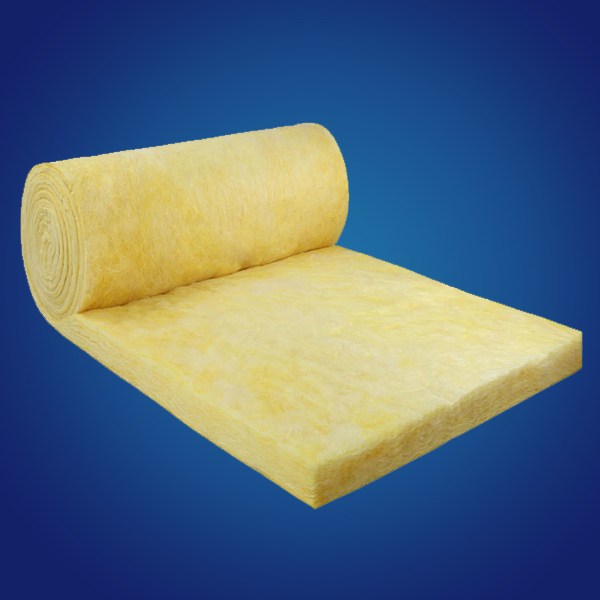
Aluminum silicate needle punched ceramic fiber blanket, in accordance with the standard GB/T 16400-2023; High purity type (changed to high aluminum/zirconium containing as needed), with a bulk density of 128kg/m ³, permanent linear shrinkage after heating (classification temperature 24h) ≤ 3%, thermal conductivity meets the corresponding grade index of GB/T16400, and thickness is in accordance with the drawing requirements. Many projects in the SCR denitrification area directly specify zirconium content because of temperature fluctuations and flue gas erosion, and the shrinkage of ordinary high-purity materials is relatively large; Conventional steam pipelines with high purity are sufficient and do not need to contain zirconium uniformly, resulting in a significant cost difference. GB/T16400-2023 internal classification (ordinary, high alumina, zirconium containing ceramic fiber blankets):
1. "Ordinary type": Al ₂ O ∝ ≥ 40%, classification temperature 1000 ℃, long-term ≈ 850 ℃. 2. "Standard type (commonly known as 1260 ordinary blanket)": Al ₂ O ∝ ≥ 43%, classified at 1260 ℃, long-term ≈ 1050 ℃ (most commonly used in power plant flues, hot air ducts, and low-temperature pipelines). 3. "High purity type": Al ₂ O ∝ ≥ 43%, low impurities, classified at 1260 ℃, long-term ≈ 1100 ℃ (main steam, reheat, header). 4. "High aluminum type": Al ₂ O ∝ ≥ 52%, classified as 1360 ℃, long-term ≈ 1200 ℃ (furnace outlet, superheater, high-temperature backing). 5. "Zirconium containing type (zircon type, commonly used commercial grade outside the appendix of GB/T16400)": ZrO ₂ 14-17%, classified as 1430 ℃, long-term ≈ 1250-1300 ℃, strong heat shock resistance, used for frequent start stop, local overheating, SCR denitration high temperature zone, and near the burner.
As a leading manufacturer of insulation and refractory materials for over 40 years, Rosewool Insulation Refractory Co.,Ltd. can provide you with a full range of ceramic fiber blankets that comply with the national standard GB/T 16400, including ordinary, high aluminum, and zirconium containing materials. We provide professional thermal calculations, selection guidance, and customized cutting services to meet the special needs of power plants, ensuring that each roll of material can achieve the best energy-saving benefits at the corresponding location.