Reasons for cracking and chipping of the insulation coating of the steam turbine and the corresponding insulation scheme
Release Time: 2026-11-18
Share:
What are the reasons for cracking and falling off of the insulation coating of the steam turbine and the corresponding insulation plan? Cracking and falling off of the insulation coating on the steam turbine cylinder body are common problems in power plant operation and maintenance. They not only increase heat dissipation losses, but also pose a risk of contaminating the oil system and causing safety hazards due to the shedding of debris. From the perspective of operating conditions, the steam turbine is characterized by continuous micro vibration, alternating cold and heat during unit start-up and shutdown, and concentrated stress on flanges and corners. Ordinary insulation coating systems are difficult to adapt to, and the main causes of failure are divided into four categories:
One is the factors of vibration and thermal stress. The cylinder body undergoes repeated thermal expansion and contraction, and the rigid plaster lacks deformation allowance. Under the continuous action of alternating stress, network cracks are generated, gradually peeling off the skin;
Secondly, there was an error in material selection, as a large amount of ordinary perlite plaster was used on site, lacking flexible fiber modified components, resulting in brittle pulverization and rapid degradation of bonding strength at high temperatures;
Thirdly, there are defects in the construction process, such as excessive thickness of the one-time plastering, lack of expansion dividing joints, insufficient tension of the wire mesh, and ineffective reinforcement of the skeleton;
The fourth is the erosion of the medium, with long-term infiltration of condensed water, steam seepage, and oil stains in the bearing box, which damages the bonding structure of the plaster and accelerates powdering and peeling.
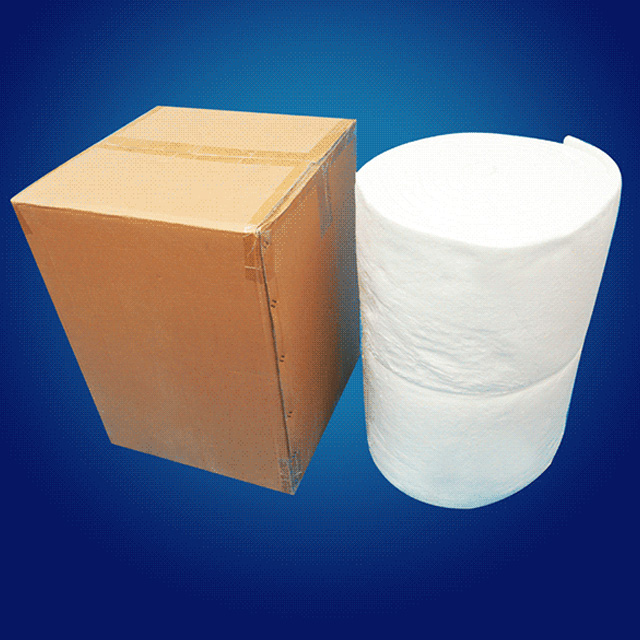
In response to the above pain points, a reasonable combination of insulation structures is the key to curing cracking. Rosewool Insulation Refractory Co.,Ltd. is deeply engaged in the field of high-temperature insulation for electric power, and is equipped with a complete set of insulation materials suitable for steam turbine working conditions, including ceramic fiber blankets, PLUS high-performance blankets, and flexible anti vibration wiping fabrics specifically designed for steam turbines to form an integrated insulation system. We recommend our company's "PLUS ceramic fiber blanket" for inner insulation. Compared with ordinary ceramic fiber blankets, it has lower slag ball content, higher tensile strength, excellent rebound performance, lower thermal conductivity, outstanding resistance to thermal shock and vibration, and is not easy to layer, collapse, or pulverize when the unit is frequently started and stopped. It is flexible and can fit irregular surfaces such as cylinder bodies, valve shells, flanges, etc. as the main insulation layer, reducing the pulling stress caused by inner layer deformation from the source; Conventional ceramic fiber blankets also have stable supply, suitable for different budget projects, stable insulation, and convenient construction.
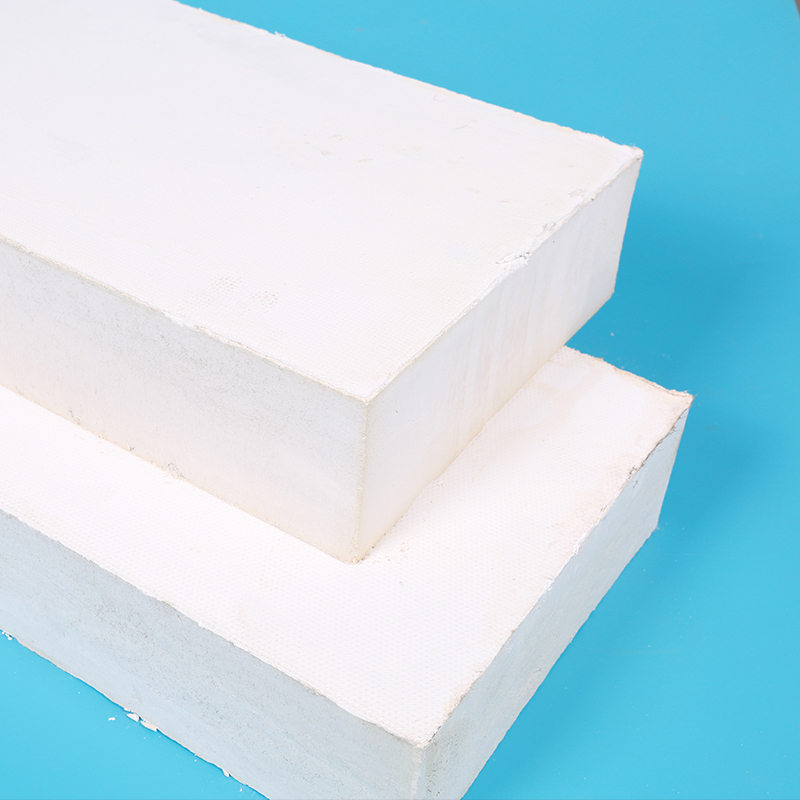
Our company's "turbine specific flexible anti vibration plastering fabric" is preferred for the surface layer, which is different from rigid ordinary plastering mortar. The formula adds high and gentle resistance fiber modified components, which have excellent toughness, anti vibration and bonding strength. It can follow the slight deformation of the cylinder body, release thermal stress, and is not easy to have through cracks. It has better resistance to steam and oil erosion. It is applied layer by layer and thin, combined with steel wire mesh and dividing joints, greatly reducing the risk of falling off. It is the preferred plastering material for vibration parts such as turbine cylinder body and valve shell.
The entire insulation system has been verified through multiple power plant turbine maintenance projects. The inner layer of high-performance fiber blanket is stable in insulation and has controllable deformation. The outer layer of flexible plaster is adapted to vibration and thermal displacement, and the internal and external coordination significantly extends the insulation service life, reduces the frequency of shutdown maintenance, and balances the insulation energy saving effect with the safety of unit operation. Rosewool Insulation Refractory Co.,Ltd. can provide integrated services including material supply, technical disclosure, and on-site construction guidance, providing reliable solutions for the insulation problems of steam turbines in major power plants.