How much does the nano anti-corrosion insulation board cost per square meter
Release Time: 2025-12-02
Share:
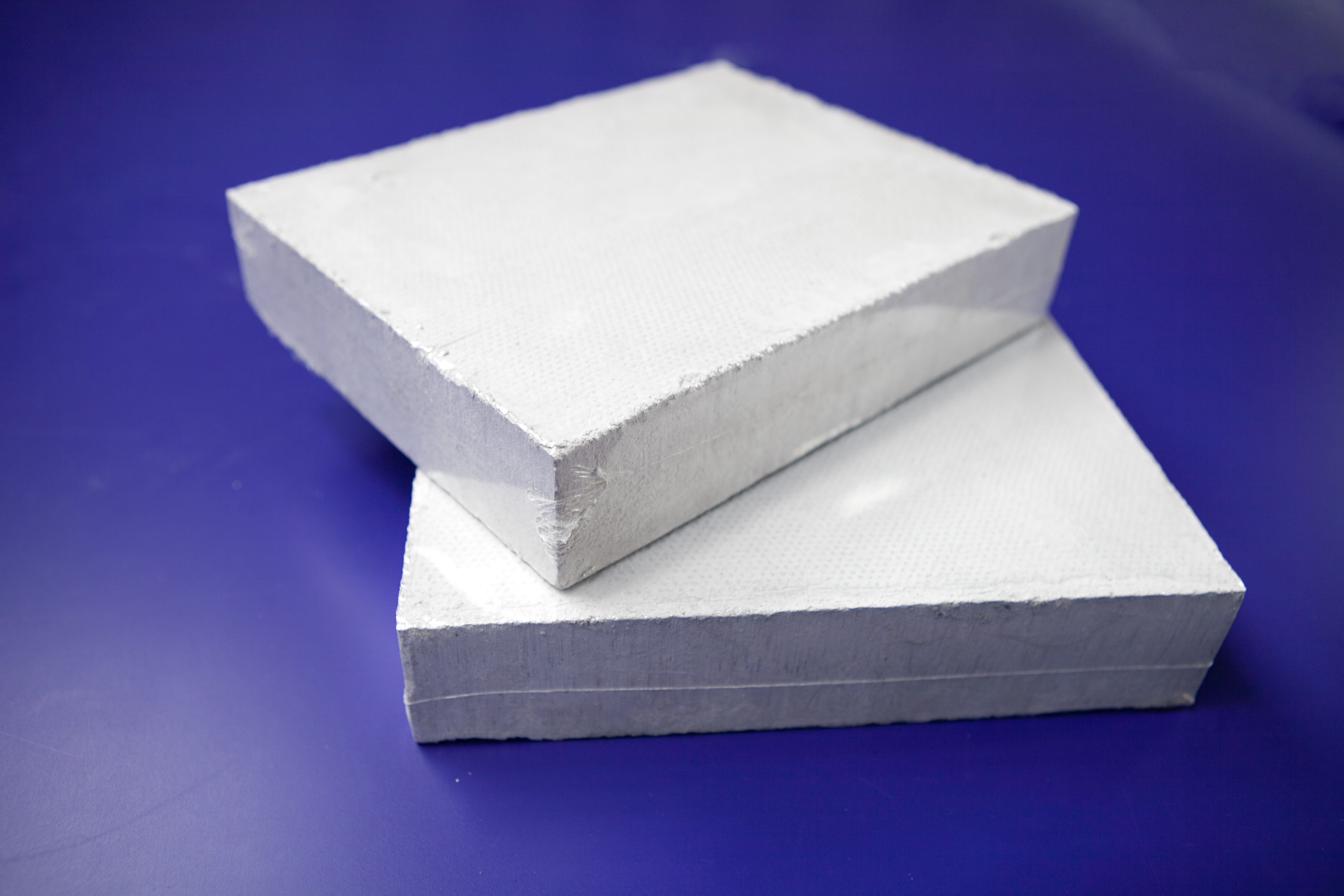
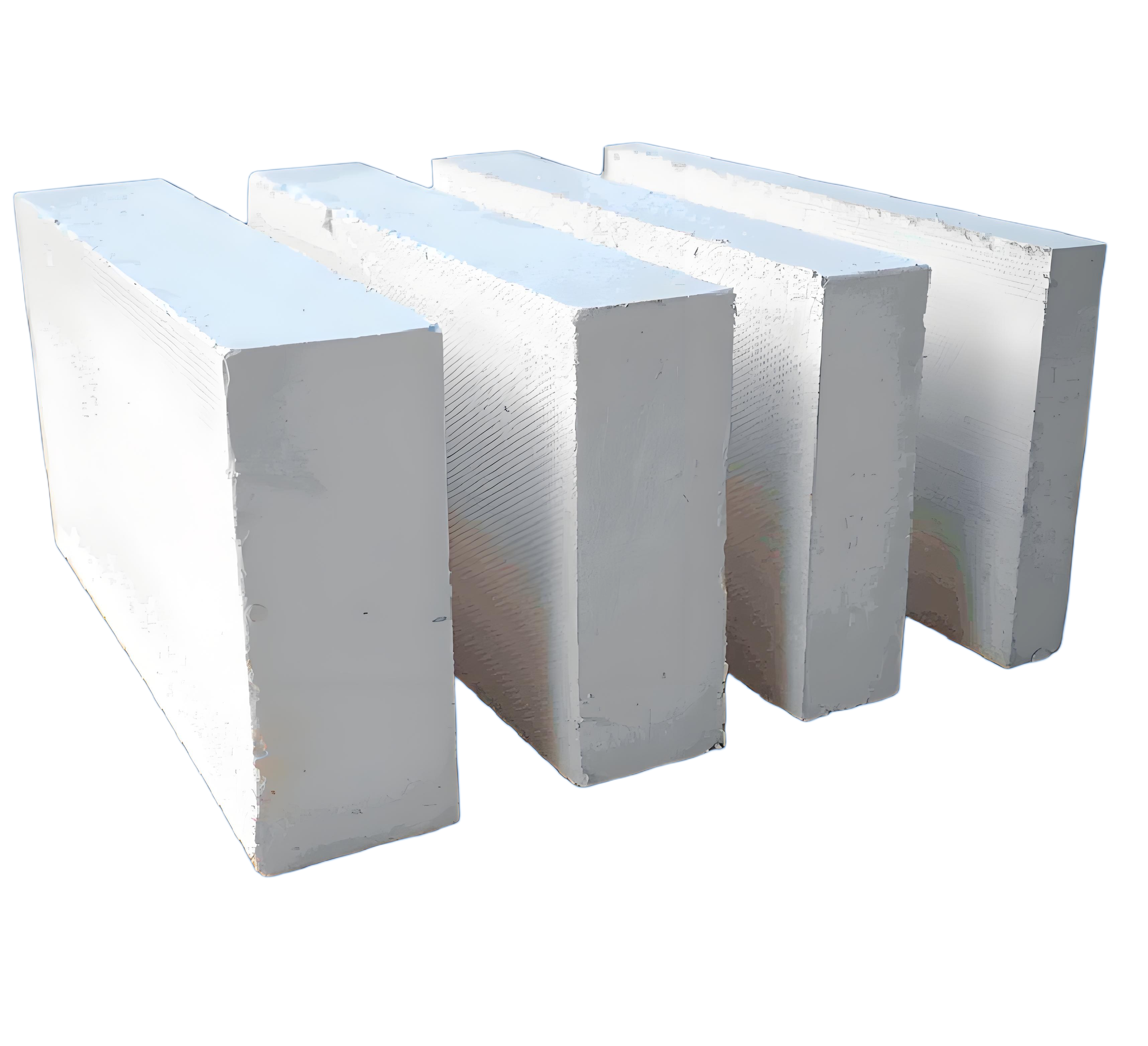
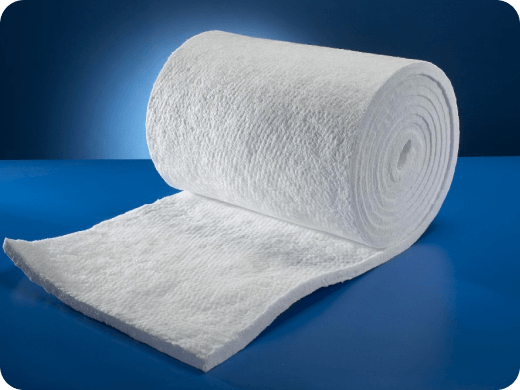
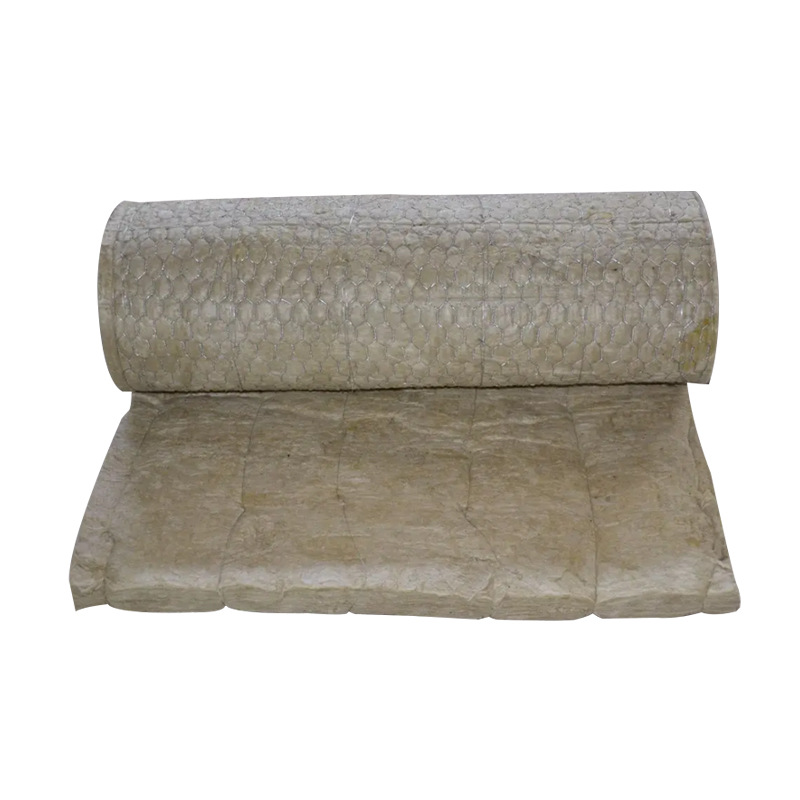
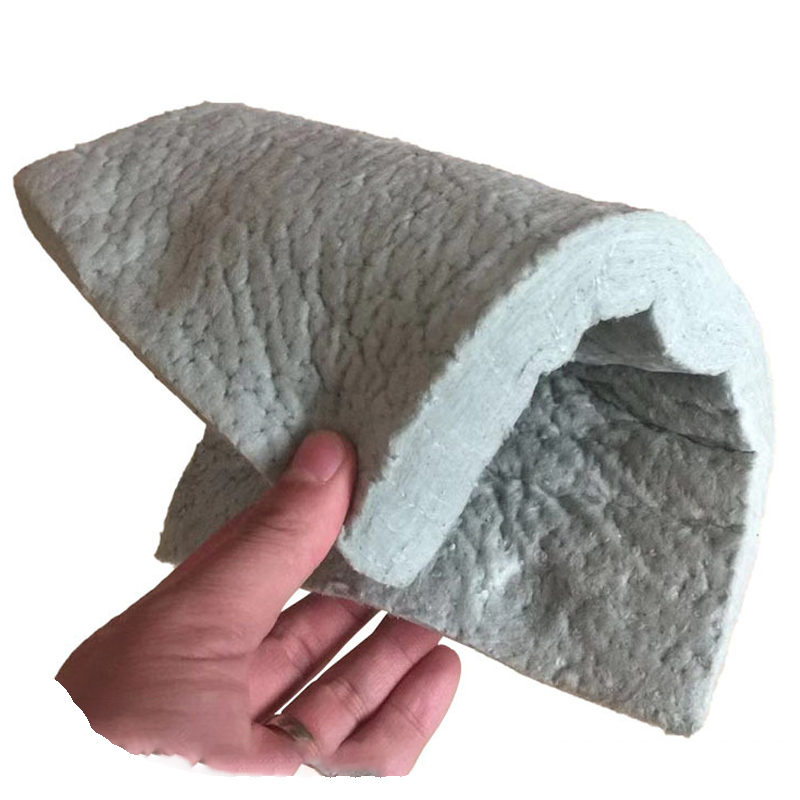
How much does the nano anti-corrosion insulation board cost per square meter? The current market price for nano insulation boards is usually between 50 yuan and 300 yuan per square meter, and the specific price varies depending on the material, process, brand, and specifications. The price of nanoplates varies depending on brand, quality, and functional differences. There are various types of nano boards on the market, with different brands and types having different prices. Generally speaking, well-known brands, high-quality nano boards with special functions are relatively expensive.
The price of nanosheets is also influenced by market supply and demand. If there is a high demand for nanosheets in the market, prices may rise accordingly; On the contrary, if there is sufficient supply, prices may remain relatively stable or slightly decrease. Nanoboard, as a high-tech material, has many advantages such as high strength, lightweight, and good sound insulation effect, so it is widely used in fields such as construction and home furnishings. Its price may be higher compared to traditional materials, but the specific price still needs to be determined based on the specific product and region.
In addition to the affordable price, the application advantages of nano anti-corrosion insulation panels in industrial plants can effectively solve the operational pain points of enterprises. Firstly, its excellent anti-corrosion performance provides protection for factory equipment and structures. There are often problems such as volatilization of chemical raw materials and accumulation of moisture in industrial plants, which can easily lead to rusting and corrosion of equipment casings and metal components on walls. The special nano coating on the surface of the nano anti-corrosion insulation board can tightly adhere to the substrate surface, forming a dense protective film, effectively blocking the contact between water vapor, corrosive gases and the substrate, greatly extending the service life of equipment and plant structures, and reducing maintenance and replacement costs caused by corrosion. Secondly, efficient insulation performance helps enterprises reduce energy consumption costs. In industrial production, the heat generated by equipment operation or the constant temperature demand in the factory often relies on air conditioning and heating equipment to maintain environmental stability, resulting in high energy consumption expenditures. Nano anti-corrosion insulation board, with its unique nano pore structure, can efficiently block heat transfer - in summer, it can prevent high temperatures from entering the factory and reduce air conditioning load; In winter, it can lock in indoor heat and reduce the energy consumption of heating equipment. Over the long term, in terms of energy conservation alone, it can bring considerable economic benefits to enterprises, truly achieving "one investment, long-term benefits". Furthermore, its construction convenience and adaptability also save time and cost for factory construction. Nano anti-corrosion insulation board has a lightweight texture and good flexibility and cutting ability. Whether it is flat factory walls, roofs, or irregular equipment shells and pipeline surfaces, it can be quickly installed without complex construction processes, greatly shortening the construction period. This is undoubtedly an important advantage for factory projects that need to resume production or meet deadlines as soon as possible, as it can help companies reduce downtime losses and accelerate project implementation progress.
Rosewool Insulation Refractory Co.,Ltd always adheres to the concept of "quality first, customer-oriented". Every nano anti-corrosion insulation board undergoes strict quality testing to ensure that its performance meets the standards. If your industrial plant is facing anti-corrosion and insulation needs, and you are concerned about the cost-effectiveness of materials, you may choose us - we can not only provide transparent and affordable unit prices, but also provide professional laying suggestions and thoughtful services based on the actual situation of your plant, so that nano anti-corrosion and insulation panels can contribute to the safe and efficient operation of your plant.