Thermal insulation performance of nano aerogel felt
Release Time: 2026-01-23
Share:
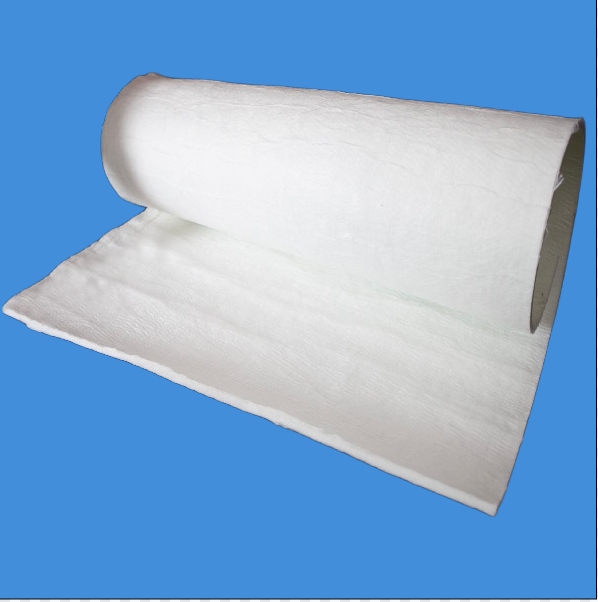
Thermal insulation performance of nano aerogel felt? Industrial thermal insulation nano aerogel mat is a flexible thermal insulation material composed of nano aerogel and reinforced fiber substrate (such as glass fiber, ceramic fiber, pre oxidized fiber mat). Nano aerogel felt is one of the most excellent flexible thermal insulation materials in the world, known as "solid smoke" or "ultimate thermal insulation material". Its core is composed of a nano porous network structure of silicon dioxide (SiO ₂), with a porosity of up to 90% -99% and a pore size smaller than the average free path of air molecules (<70 nm), greatly suppressing the three heat transfer modes of heat conduction, convection, and radiation. The thermal insulation performance of nano aerogel felt represents the peak of current engineering thermal insulation materials. It achieves extremely low thermal conductivity and ultra-thin insulation thickness with its nanoscale porous structure. Introduction to thermal insulation performance of nano aerogel felt:
1. Ultra low thermal conductivity: the thermal conductivity of nano aerogel felt at room temperature (25 ℃) can be as low as 0.013-0.018W/(m · K), and some products can even reach 0.015W/(m · K). This value is far lower than that of traditional thermal insulation materials, such as glass fiber felt, aluminum silicate wool, etc., which makes nano aerogel felt have significant advantages in thermal insulation performance.
2. High efficiency heat insulation effect: the heat insulation effect of nano aerogel felt is 2-5 times that of traditional heat insulation materials. This means that under the condition of achieving the same thermal insulation effect, the thickness of nano air gel felt is thinner, thus saving space and material costs. For example, in industrial pipeline insulation, the use of nano aerogel felt can significantly reduce the thickness of the insulation layer and improve the space utilization of the pipeline system.
3. High temperature resistance: nano aerogel felt has excellent high temperature resistance, which can withstand the high temperature of 600 ℃ -1000 ℃. This gives it unique advantages in insulation applications in high-temperature environments, such as pipeline and equipment insulation in industries such as petrochemicals, power, metallurgy, etc.
4. Fire resistance: nano aerogel felt has A1 level fire resistance, and its three-dimensional network structure avoids the obvious decline of thermal insulation effect of other thermal insulation materials such as sintering deformation and sedimentation during long-term high temperature use. This makes it widely applicable in situations that require fire safety.
5. Hydrophobic property: nano aerogel felt has overall hydrophobicity, which can effectively prevent moisture from entering the pipeline and equipment, thus avoiding the decline of insulation performance and equipment corrosion caused by moisture.
6. Construction convenience: nano aerogel felt will naturally roll up a certain radian after being cut into a certain size, which is convenient for installation and fixation. At the same time, it is lightweight and has a certain degree of hardness and flexibility, not easily damaged, and very easy to cut. Compared with traditional thermal insulation materials, the construction efficiency of nano aerogel felt can be improved by more than 30%.
7. Long life and stability: The service life of nano aerogel felt on high-temperature pipelines is nearly 20 years. Its excellent aging resistance and hydrophobicity enable it to maintain stable insulation performance during long-term use.
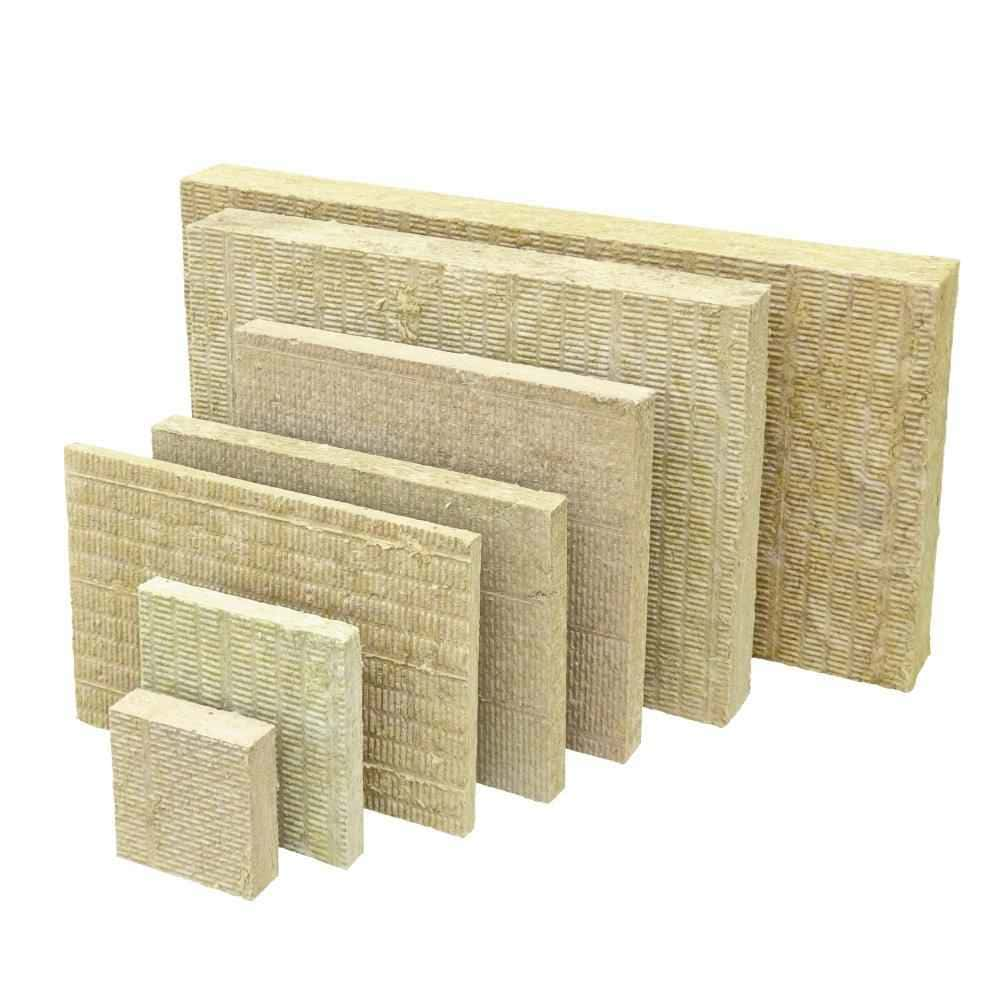
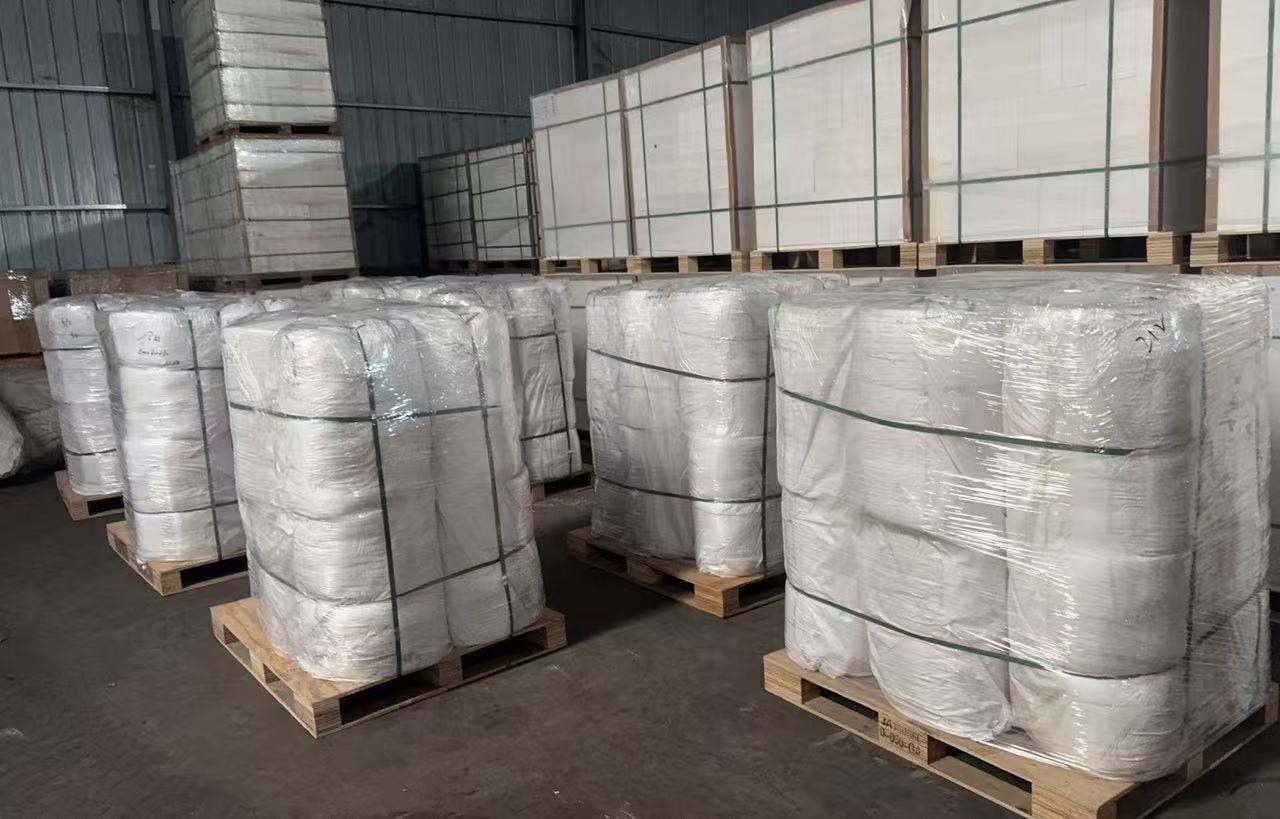
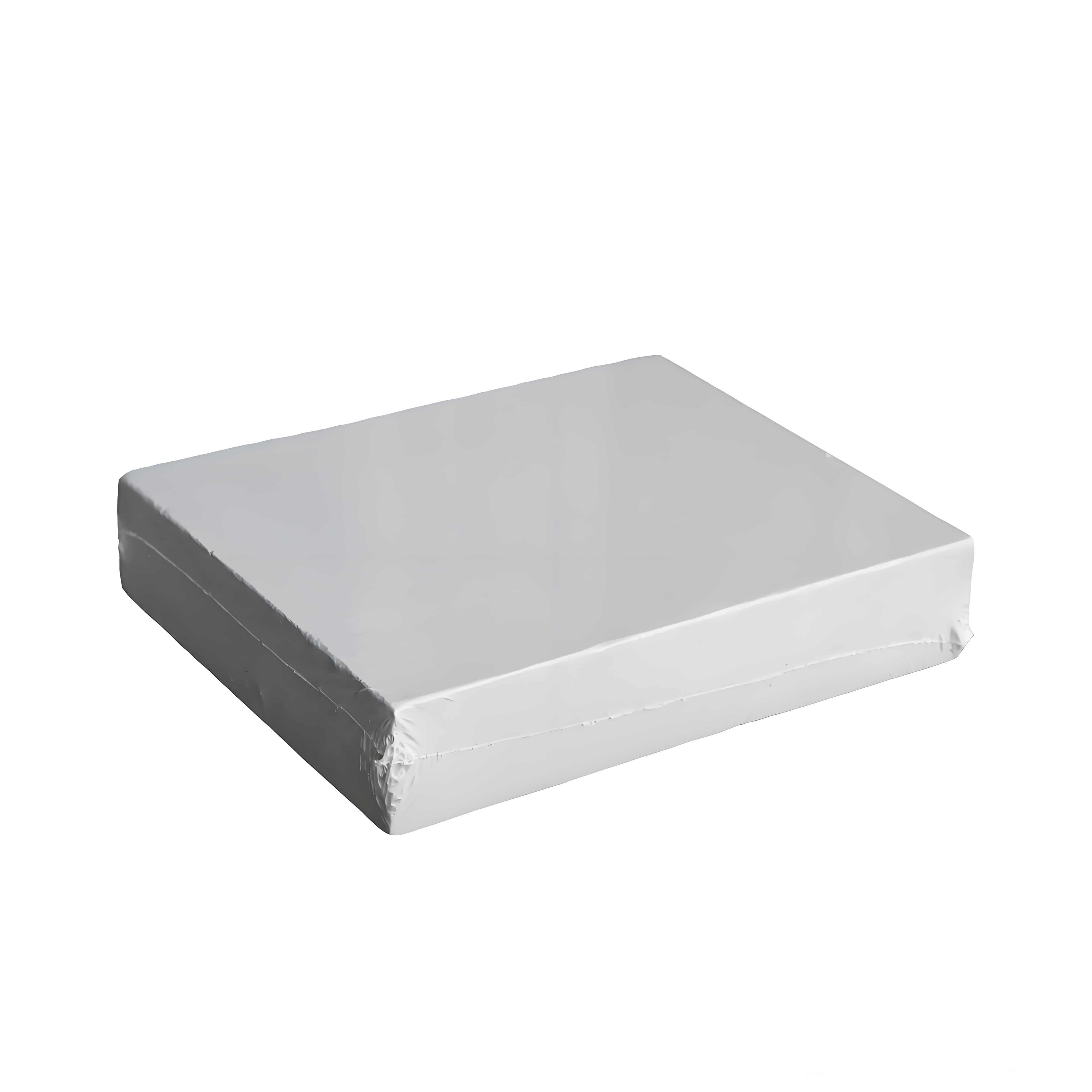
Thermal insulation performance of nano aerogel felt? As a comprehensive insulation material supplier, Rosewool Insulation Refractory Co.,Ltd provides an optimized combination scheme of "aerogel+traditional materials". If you use aerogel (high efficiency and space saving) for the main pipeline of the industrial plant, calcium silicate board (high strength and low cost) for large plane equipment, and ceramic fiber module (high temperature resistance) for the furnace, you can cooperate with Rosewool Insulation Refractory Co.,Ltd. with complete qualifications and high cost performance;