What are the applications of insulation materials in power plants?
Release Time: 2026-02-24
Share:
What are the applications of insulation materials in power plants? The application of insulation materials in power plants is a systematic project, and targeted insulation materials are selected based on the temperature conditions, structural characteristics, and operational requirements of different parts such as the boiler body, steam turbine, and thermal pipeline. Rosewool Insulation Refractory Co.,Ltd.has been deeply involved in the field of power plant insulation for many years. Its products have been maturely applied in multiple power sub sectors such as thermal power, nuclear power, and biomass power generation. We are willing to provide professional products and system solutions to safeguard the safe, efficient, and energy-saving operation of your power plant!
Thermal insulation materials are widely used in power plants, mainly covering key areas such as boilers, steam turbines, pipeline systems, and auxiliary equipment, aiming to reduce heat loss, improve energy efficiency, and ensure safe operation of equipment. The specific applications are as follows:
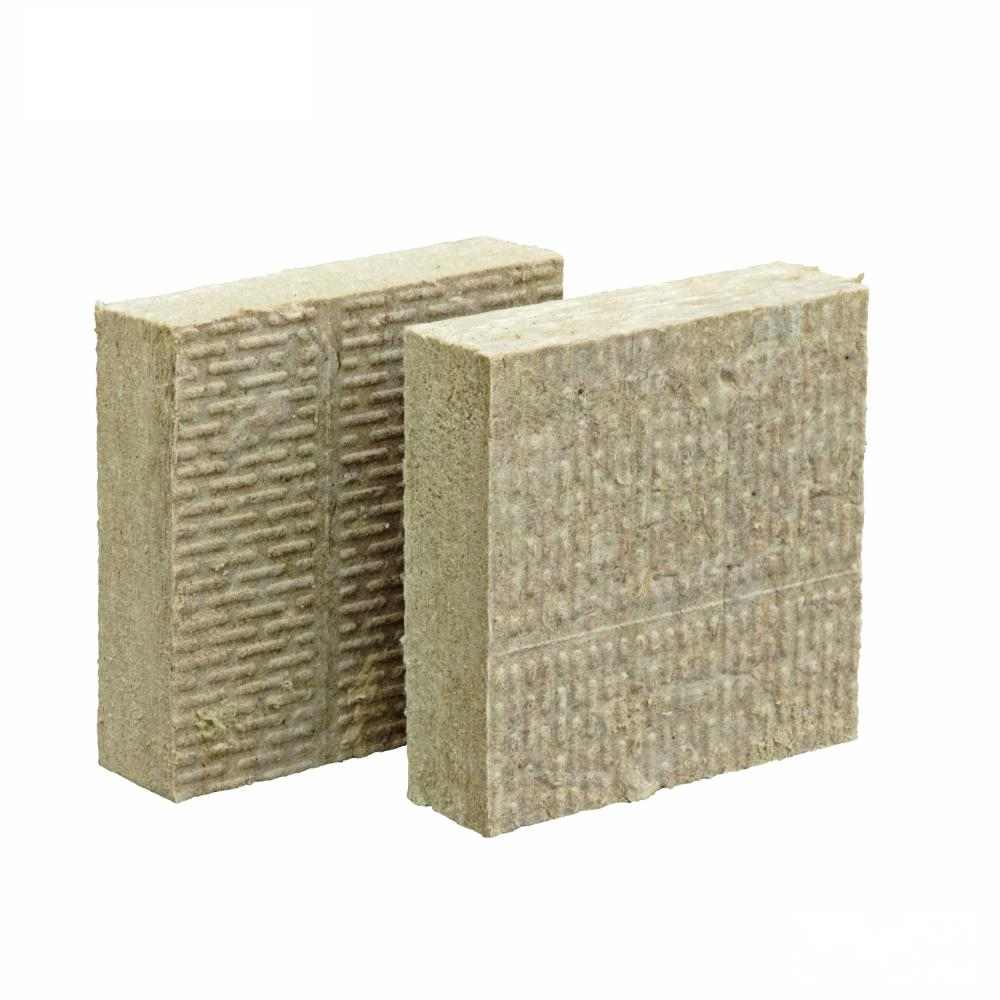
Boiler system: used for insulation of furnace walls, roofs, burners, and flues, reducing heat loss inside the furnace and lowering fuel consumption. Common materials include aluminum silicate fiber blanket, ceramic fiber module, rock wool board, etc., which have high temperature resistance and excellent thermal insulation performance.
Steam turbine and pipeline:aluminum silicate fiber felt, nano aerogel felt or composite silicate coating are used for steam pipeline, steam turbine casing and valves to effectively reduce heat loss during steam transmission and prevent dew on the outer wall of the pipeline.
Auxiliary equipment: such as dust collectors, desulfurization and denitrification devices, etc., use materials such as rock wool and glass wool for insulation, taking into account both anti-corrosion and insulation requirements.
What are the applications of insulation materials in power plants?Rosewool Insulation Refractory Co.,Ltd. offers a complete range of insulation materials such as ceramic fiber blankets, ceramic fiber modules, rock wool boards, and glass wool for power plants. With reliable products, professional solutions, and sincere services, we are willing to safeguard the safe, efficient, and energy-saving operation of your power plant!