What are the temperature resistance requirements for plastering materials in power plants?
Release Time: 2026-11-02
Share:
What are the temperature resistance requirements for the plastering materials used in power plants? In the insulation engineering of power plants, the plastering material serves as a protective layer outside the insulation layer, which not only plays a role in waterproofing, moisture-proof, and preventing mechanical damage, but also needs to have temperature resistance performance that matches the internal insulation layer. The temperature conditions in different parts vary greatly, so the temperature resistance level of the plastering material also needs to be selected in stages.
The core principle for selecting the temperature resistance level of power plant plastering materials is that the upper limit of the temperature resistance of the plastering material must be higher than the outer surface temperature of the insulation layer it contacts, and sufficient safety margin must be left. At the same time, the plastering material must also meet specifications such as bonding strength, crack resistance, and waterproofing. How to choose the temperature resistance level of the plastering material? 1. First, determine the temperature of the outer surface of the insulation layer
External surface temperature of insulation layer=medium temperature - insulation layer temperature drop
But in high-temperature areas, we cannot only look at the external surface temperature - because the insulation layer will increase in temperature after aging and moisture, and sufficient margin needs to be left for the plastering material. 2. Select according to temperature classification of different parts 3. Selection principles
Observe the temperature of the medium, the insulation material, the working environment, and the frequency of maintenance.
What are the specifications and requirements for plastering materials?
Physical performance requirements
Construction performance requirements
Appearance and thickness requirements
Waterproof performance requirements (outdoor or humid environment)
Environmental and safety requirements
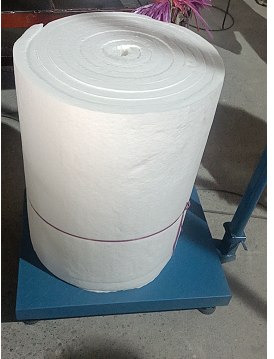
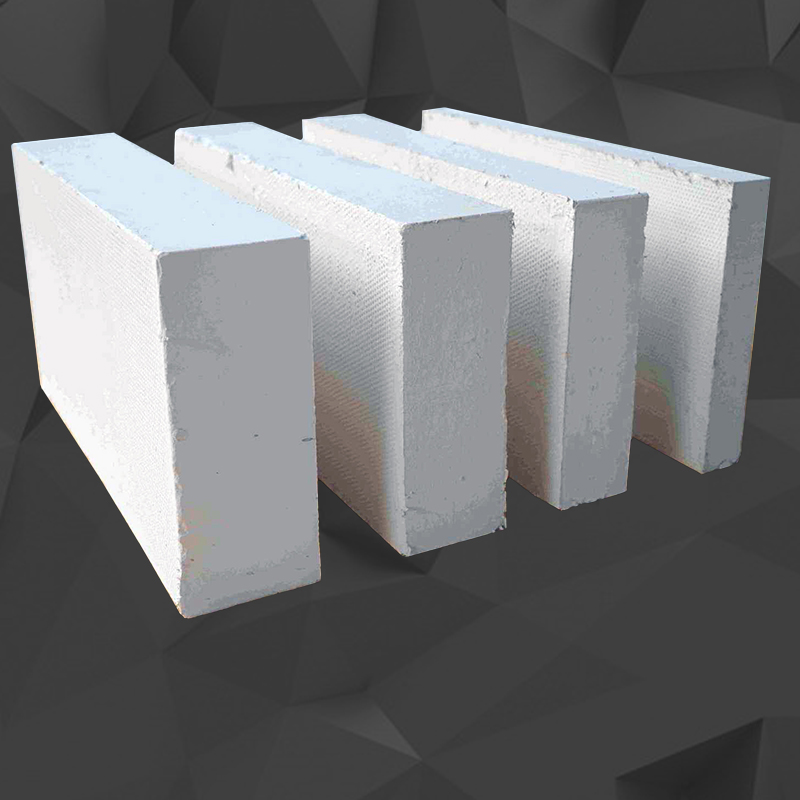
What are the temperature resistance requirements for the plastering materials used in power plants? Rosewool Insulation Refractory Co.,Ltd. has been deeply cultivating insulation and refractory materials for more than 40 years, providing a full range of 200-800 ℃ plastering materials, which can be matched with one-stop supply of ceramic fiber blankets, calcium silicate boards, rock wool and other insulation materials. Please feel free to contact us at any time to obtain samples of plastering materials and insulation solutions for power plants