Rosewool Insulation Refractory Co.,Ltd.


What are the types of insulation materials for electrolytic cells? The lining of the aluminum electrolytic cell adopts a layered composite insulation system, which is divided into six categories according to its shape: fiber flexible insulation, hard insulation bricks/boards, powder bulk materials, nano ultra-low thermal conductivity insulation, amorphous casting anti-seepage insulation, and special composite insulation. It is suitable for different temperature ranges (300-1350 ℃) of the bottom, sides, ends, and shell backing of the cell. There are different types of insulation materials for electrolytic cells, and Rosewool Insulation Refractory Co.,Ltd. have everything they need. Moreover, different levels and grades can provide solutions according to customers' usage temperature and application needs;
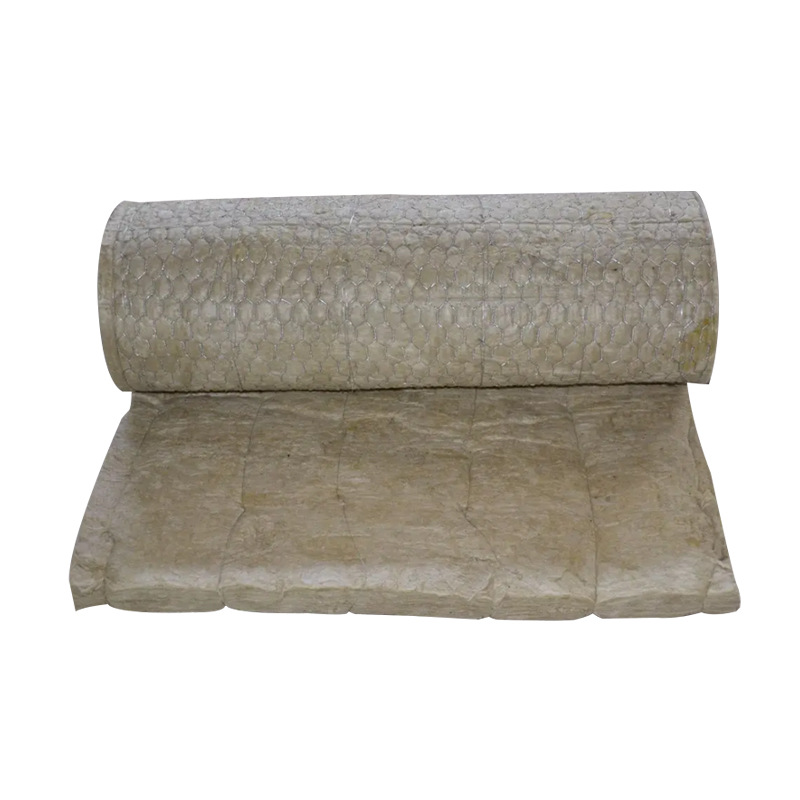
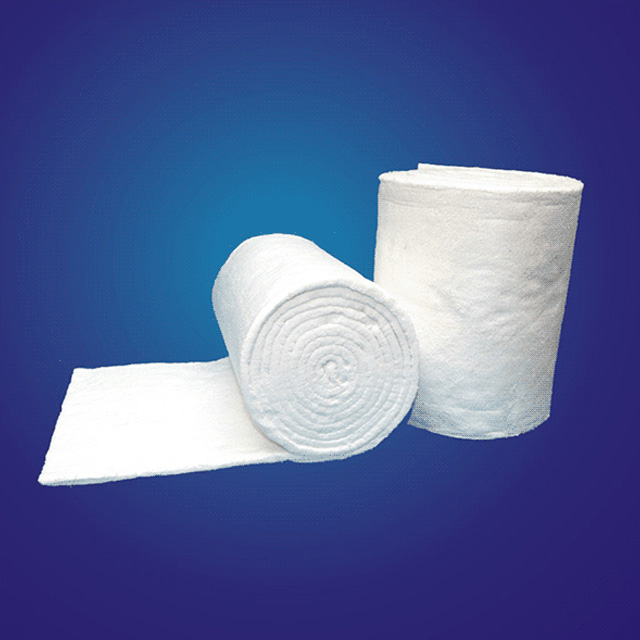
The core material is aluminum silicate fiber, classified into temperature resistance levels, with multiple forms of blankets/boards/modules, and flexible bonding with irregular structures; There are ordinary aluminum silicate fibers, high alumina ceramic fibers, zirconium containing ceramic fibers, ceramic fiber modules, etc;
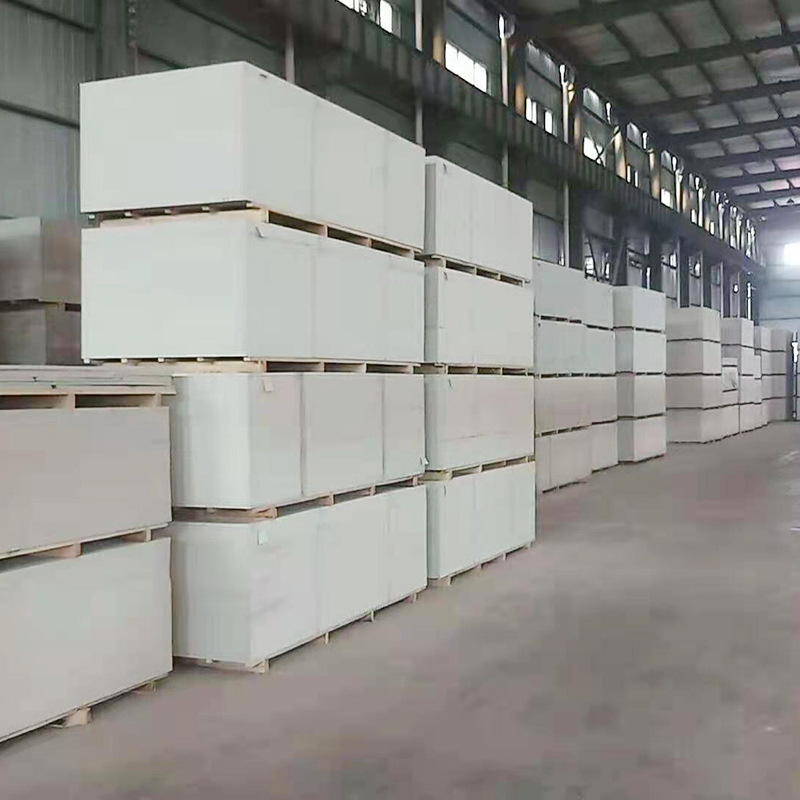
Hard silica calcium stone insulation board, vermiculite insulation board, magnesia stone insulation brick
Nano microporous insulation board, aerogel felt composite insulation board
The anti-seepage pouring material and insulation refractory mortar on the side of the electrolytic cell, as well as the transition isolation between carbon bricks and insulation layer, block the penetration of electrolytes and sodium vapor.
Rosewool Insulation Refractory Co.,Ltd. has been deeply engaged in metallurgical aluminum electrolysis insulation for more than 40 years. It has its own complete set of automated production lines and has jointly developed a temperature resistant insulation system for electrolytic cells with the Fire Resistance Research Institute. It provides one-stop supply of insulation materials for all levels of electrolytic cell liners, suitable for large-scale aluminum electrolytic cell overhaul and new construction projects of 300kA/400kA/500kA/600kA; It is a recommended supplier of insulation materials for China's Ministry of Electric Power, metallurgical industry, and cement industry, as well as an experimental base for China Academy of Building Materials Science and Tianjin Institute of Chemical Technology.
When choosing insulation materials for electrolytic cells, look for Rosewool Insulation Refractory Co.,Ltd. - stable quality, affordable price, and excellent service! Feel free to contact us anytime for samples or quotations