What is the relationship between the density and price of cement insulation material rock wool board?
Release Time: 2026-05-22
Share:
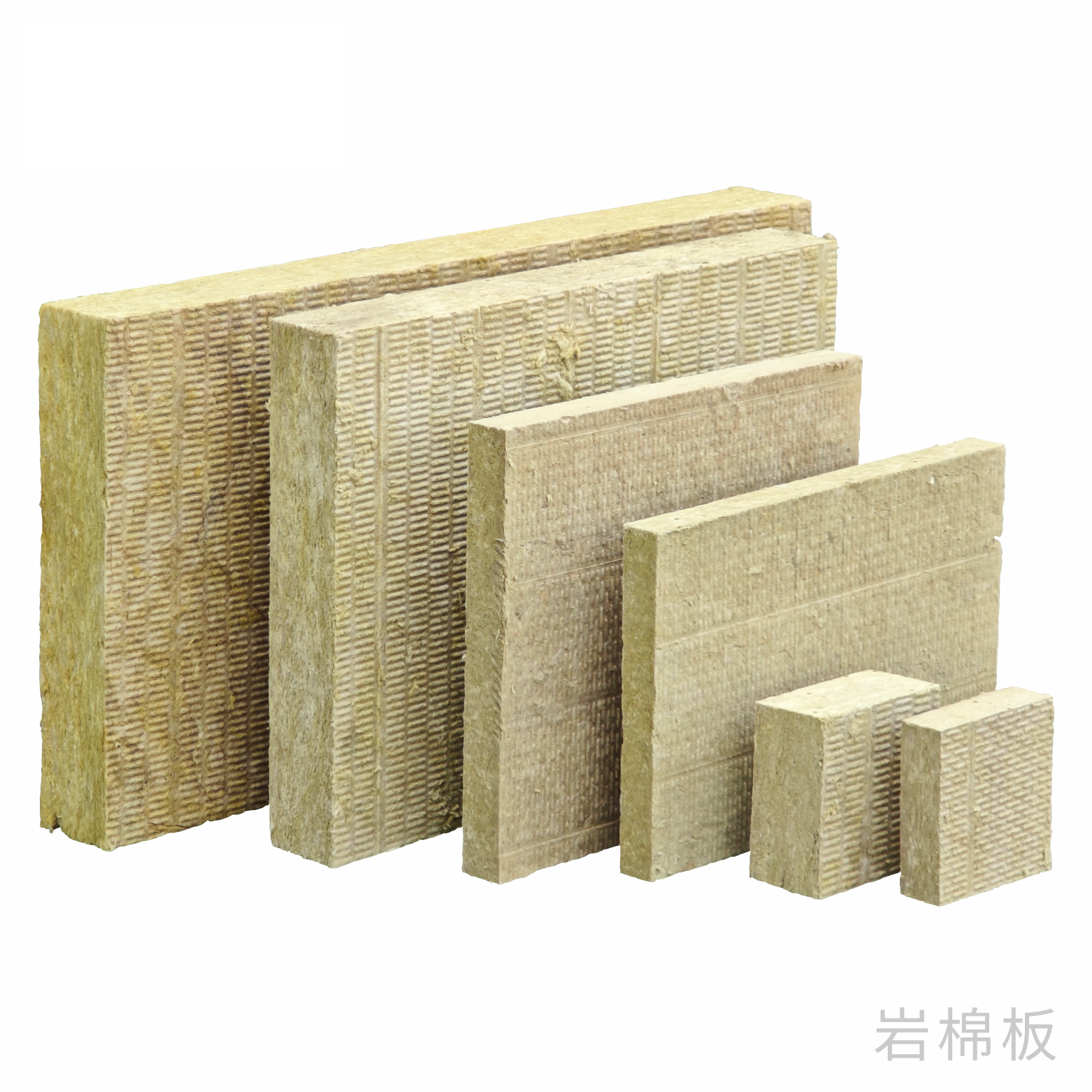
What is the relationship between the density and price of cement insulation material rock wool board? The density of cement insulated rock wool board is significantly positively correlated with its price. Simply put, the higher the density, the more ore raw materials are used inside the rock wool board, resulting in increased production costs and therefore higher prices. Due to the high temperature, vibration, high dust, and long-term continuous operation conditions in the cement industry, industrial grade basalt rock wool (GB/T 11835) must be used for rock wool boards. The higher the density, the better the compression/tensile/high temperature/vibration resistance, and the higher the price. For every 20kg/m ³ increase in density, the wholesale price increases by 15% -20%. Density classification of rock wool board in cement industry: 1. 80-100kg/m ³ (low density)
Performance: Soft, easy to deform, poor compression resistance, not resistant to vibration, prone to delamination and slag falling due to long-term high temperature, only suitable for insulation of normal temperature pipelines and ordinary factory buildings, prohibited in high temperature areas of cement plants. 2. 100-120kg/m ³ (medium density, universal for cement pipelines)
Performance: Moderate rigidity, long-term temperature resistance of 450-550 ℃, sufficient compression resistance, suitable for cement normal temperature pipelines, air ducts, and low-temperature equipment, with the highest cost-effectiveness. 3. 120-140kg/m ³ (medium to high density, mainstream in cement plants)
Performance: Strong tensile/compressive strength, resistant to wind turbine vibration and dust erosion, long-term temperature resistance of 600 ℃, suitable for preheater, kiln tail, and main insulation of pipelines, standard for 90% cement projects. 4. 140-160kg/m ³ (high-density, high-temperature core area)
Performance: Hard rock wool, compressive strength ≥ 40kPa, tensile strength ≥ 8kPa, high temperature resistance of 650 ℃, resistance to aluminum ash/dust erosion, suitable for grate cooler, kiln outer side, high temperature smoke chamber, with the longest service life.
Key points for avoiding pitfalls in the selection of rock wool boards for cement plants:
1. The density selection is combined with the usage location, with most prioritizing 120-140kg/m ³. High temperature collapse prone layers below 100kg/m ³ are preferred, while 160kg/m ³ has a lower cost-effectiveness;
2. Must undergo hydrophobic treatment (hydrophobic rate ≥ 98%), as cement plants are damp and prone to condensation, and ordinary rock wool will fail to absorb water directly;
3. The preferred raw material is basalt rock wool, because such rock wool boards have an acidity coefficient of ≥ 1.8, and slag wool is not resistant to high temperatures and is prone to pulverization, which will deteriorate within 1-2 years;
4. Suitable thickness: pipeline 40-60mm, kiln/preheater 80-100mm.